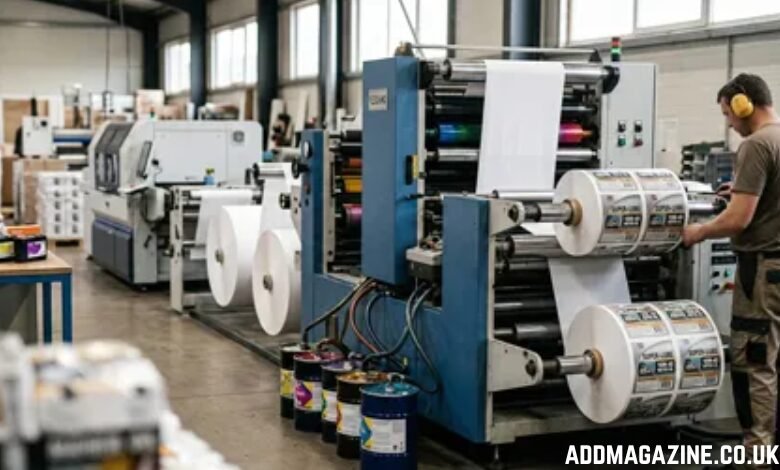
Liquor brands face mounting pressure to deliver consistent label quality while managing costs and production timelines. The choice of printing method directly impacts product presentation, brand perception, and operational efficiency. Each printing technology—digital, flexographic, and screen printing—serves different production requirements and quality standards.
Production managers must balance factors including run length, material compatibility, color accuracy, and durability requirements when selecting a printing method. The wrong choice can result in quality inconsistencies, increased waste, and production delays that affect product launch schedules and market positioning.
Understanding the operational characteristics of each printing method allows manufacturers to match their production needs with the most suitable technology. This analysis examines how digital, flexographic, and screen printing perform across key operational criteria that impact liquor label production.
Digital Printing Technology for Liquor Labels
Digital printing uses inkjet or electrophotographic technology to transfer images directly to label substrates without requiring printing plates or screens. This method excels in short-run production scenarios where setup time and changeover efficiency matter more than per-unit costs. A comprehensive Liquor Label Manufacturer guide typically emphasizes digital printing’s role in prototype development and limited edition releases.
The absence of plate-making requirements enables immediate production starts and eliminates the setup costs associated with traditional printing methods. Digital systems can switch between different label designs within minutes, making them ideal for craft distilleries and premium brands that frequently introduce new products or seasonal variations.
Production Volume Considerations
Digital printing becomes cost-effective for runs typically under 5,000 labels, though this threshold varies based on label complexity and substrate requirements. The technology eliminates waste associated with press setup and color matching, as each label prints to specification without requiring adjustment runs. This precision reduces material waste and ensures consistent quality from the first printed label.
Variable data printing capabilities allow digital systems to produce serialized labels, batch codes, and personalized messaging within the same production run. This functionality supports compliance requirements and enables marketing strategies that require unique label elements for different distribution channels or promotional campaigns.
Material Compatibility and Durability
Digital printing systems accommodate various label substrates, including paper, synthetic materials, and specialty films. The ink adhesion properties vary depending on the digital technology used, with UV-cured inks providing enhanced durability for applications requiring moisture resistance and scratch protection.
Color consistency remains stable throughout digital production runs because the system maintains precise ink delivery without mechanical variables affecting output quality. This consistency proves valuable for premium liquor brands where color accuracy directly impacts brand recognition and consumer perception.
Flexographic Printing Fundamentals
Flexographic printing employs flexible relief plates mounted on rotating cylinders to transfer ink to label substrates. This method dominates high-volume label production due to its speed capabilities and cost efficiency at scale. The technology uses fast-drying inks that enable rapid production speeds while maintaining print quality across extended runs.
Plate-based printing requires initial setup time and costs, but these factors become negligible when distributed across large production volumes. Modern flexographic presses can achieve consistent color reproduction and fine detail resolution that meets the quality standards required for premium liquor brands.
Volume Economics and Production Speed
Flexographic printing becomes economically advantageous for runs exceeding 10,000 labels, with optimal efficiency typically achieved above 25,000 units. The method can produce labels at speeds exceeding 1,000 feet per minute, enabling rapid completion of large orders that support major product launches or seasonal demand spikes.
Setup costs include plate production and press configuration time, but these expenses decrease on a per-unit basis as run lengths increase. The ability to maintain consistent quality throughout long production runs reduces the need for quality control interruptions and minimizes waste from rejected labels.
Color Management and Quality Control
Flexographic systems require skilled press operators to maintain color consistency throughout production runs. Ink viscosity, press pressure, and substrate tension all influence final print quality and must be monitored continuously. However, once properly calibrated, flexographic presses can maintain exceptional color accuracy across millions of labels.
The method accommodates specialty inks including metallics, fluorescents, and spot colors that enhance label visual impact. These ink options support premium branding strategies that rely on distinctive visual elements to differentiate products in competitive retail environments.
Screen Printing Applications and Characteristics
Screen printing forces ink through mesh screens onto label substrates, creating thick ink deposits that produce vibrant colors and tactile effects. This method excels when labels require heavy ink coverage, specialty finishes, or dimensional effects that other printing methods cannot achieve. According to the Smithsonian Institution, screen printing has been adapted for industrial applications requiring durable, high-impact graphics.
The process accommodates various ink types including UV-cured, solvent-based, and specialty formulations that provide unique visual or functional properties. Screen printing can deposit significantly more ink than digital or flexographic methods, resulting in more saturated colors and enhanced opacity on challenging substrates.
Specialty Finish Capabilities
Screen printing enables the application of textured inks, raised effects, and metallic finishes that create premium label appearances. These capabilities support luxury liquor brands that require distinctive tactile qualities to reinforce product positioning and justify premium pricing.
The method can incorporate functional inks including scratch-off materials, thermochromic inks that change color with temperature, and security features that help prevent counterfeiting. These specialized applications address both marketing objectives and brand protection requirements.
Durability and Environmental Resistance
Thick ink deposits created through screen printing provide enhanced resistance to abrasion, moisture, and chemical exposure. This durability proves essential for liquor labels that must maintain appearance quality throughout distribution, storage, and consumer handling.
Screen-printed labels maintain color integrity under various lighting conditions and resist fading from UV exposure. This stability ensures consistent brand presentation regardless of retail display conditions or storage environments.
Cost Analysis Across Production Methods
Production costs vary significantly among printing methods based on run length, setup requirements, and material specifications. Digital printing minimizes upfront costs but carries higher per-unit expenses due to ink costs and slower production speeds. Flexographic printing requires substantial setup investments but achieves lower per-unit costs through high-speed production capabilities.
Screen printing falls between these extremes, with moderate setup costs and per-unit expenses that remain relatively stable across different run lengths. The choice of printing method should consider total cost of ownership including setup, production, waste, and quality control expenses rather than focusing solely on per-unit printing costs.
Hidden Costs and Operational Impact
Setup time affects production scheduling and can create bottlenecks that delay product launches or increase inventory carrying costs. Digital printing eliminates most setup delays, while flexographic and screen printing require planning to optimize press utilization and minimize changeover time.
Waste generation varies among printing methods, with digital printing producing minimal waste and traditional methods generating more substantial quantities during setup and color matching processes. These waste costs include both material expenses and disposal considerations that affect overall production economics.
Quality Standards and Brand Requirements
Liquor label quality directly impacts consumer perception and brand value. Each printing method achieves different quality characteristics that may align better with specific brand positioning strategies. Premium brands often require printing methods that can deliver exceptional color accuracy, fine detail reproduction, and specialty effects that reinforce luxury positioning.
Consistency across production runs becomes critical for established brands where color variations can confuse consumers and weaken brand recognition. The ability to match previous production runs and maintain quality standards over time influences the suitability of different printing methods for ongoing product lines.
Compliance and Regulatory Considerations
Regulatory requirements for liquor labeling may influence printing method selection, particularly when labels must include variable information or comply with specific durability standards. Digital printing accommodates regulatory requirements more easily due to its variable data capabilities and quick changeover times.
Ink safety and migration properties must meet food contact regulations, especially for labels applied to containers that may come into direct contact with beverage contents. Each printing method uses different ink chemistries that may affect compliance requirements and material selection options.
Technology Integration and Workflow Efficiency
Modern label production often requires integration with inventory management, quality control, and shipping systems. Digital printing systems typically offer better integration capabilities due to their computerized nature and ability to process variable data from external databases.
Production workflow efficiency depends on factors including job changeover time, quality control requirements, and finishing processes. A liquor label manufacturer must consider how each printing method fits within existing production workflows and affects overall operational efficiency.
Future-Proofing Production Capabilities
Technology evolution continues to improve the capabilities and economics of all printing methods. Digital printing advances focus on increased speed and reduced ink costs, while flexographic improvements target better color consistency and reduced setup requirements.
Investment decisions should consider the trajectory of technology improvements and how they might affect the competitive position of each printing method. The ability to adapt to changing market requirements and take advantage of technology improvements influences the long-term value of printing method selection.
Conclusion
Selecting the appropriate printing method for liquor labels requires careful evaluation of production volume, quality requirements, cost constraints, and operational capabilities. Digital printing serves short-run and variable data applications effectively, while flexographic printing delivers cost-efficient high-volume production. Screen printing provides unique finishing capabilities for premium applications requiring distinctive visual or tactile effects.
The decision should align with both immediate production needs and longer-term business objectives. Companies producing multiple product lines may benefit from utilizing different printing methods for different applications rather than committing to a single technology. Understanding the strengths and limitations of each method enables informed decisions that support both operational efficiency and brand objectives in an increasingly competitive marketplace.