Manufacturing operations across the United States face mounting pressure to balance equipment costs with reliability requirements. When floor transport systems fail or require frequent maintenance, production schedules suffer and replacement costs accumulate rapidly. This reality has prompted many facility managers to examine the long-term performance differences between domestically manufactured rubber wheels and imported alternatives.
A comprehensive analysis of 500 US companies across manufacturing, warehousing, and industrial sectors reveals significant variations in wheel performance, maintenance frequency, and total operational costs. These findings demonstrate how initial purchasing decisions impact facility operations for years, affecting everything from daily workflow consistency to annual maintenance budgets.
The data collected spans three years of operational tracking, covering environments ranging from automotive assembly plants to pharmaceutical distribution centers. Each facility provided detailed maintenance records, replacement schedules, and performance assessments for both domestic and imported rubber wheel systems. The results provide clear insights into how manufacturing origin affects real-world operational outcomes.
Material Composition Drives Performance Differences
The fundamental distinction between domestic and imported rubber wheels lies in material formulation and manufacturing processes. US manufacturers typically employ consistent rubber compounds with standardized curing processes, while imported alternatives often utilize varied material compositions to achieve lower price points. This difference in approach creates measurable impacts on wheel performance across industrial applications.
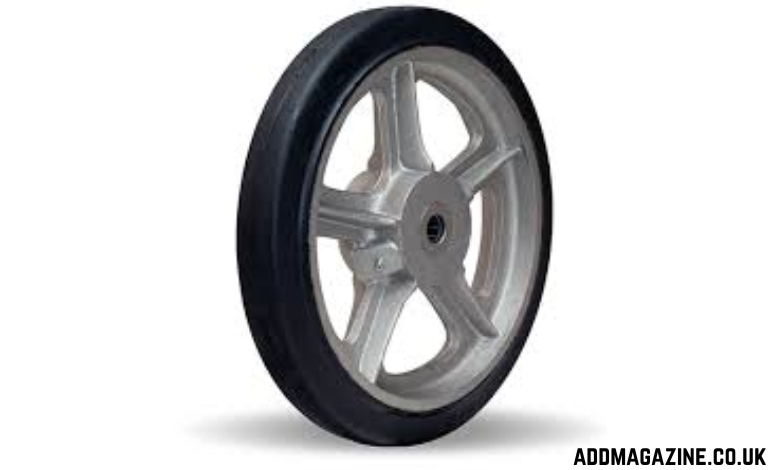
Companies utilizing hamilton rubber wheels reported significantly lower failure rates compared to facilities using imported alternatives. The controlled manufacturing environment and material consistency associated with domestic production translates directly into predictable wheel behavior under operational stress. Import alternatives, while initially less expensive, demonstrated higher variability in load-bearing capacity and wear patterns.
The rubber formulation differences become particularly apparent in temperature-sensitive environments. Domestic wheels maintained consistent performance characteristics across temperature ranges from 32°F to 180°F, while imported alternatives showed increased brittleness in cold conditions and accelerated wear in elevated temperatures. This consistency proves critical for facilities operating in climate-controlled environments or those experiencing seasonal temperature variations.
Load Distribution and Stress Response
Load distribution represents another area where material composition creates operational differences. Domestic rubber wheels distribute weight more evenly across the wheel surface, reducing stress concentration points that lead to premature failure. The manufacturing processes used by US producers allow for better control over rubber density and internal structure, resulting in wheels that maintain their shape and performance characteristics under varying load conditions.
Imported alternatives often exhibit uneven wear patterns due to inconsistent material density. This leads to vibration issues, reduced maneuverability, and increased stress on cart frames and mounting hardware. The compound effect of these issues creates cascading maintenance requirements that extend beyond simple wheel replacement.
Chemical Resistance Properties
Industrial environments frequently expose rubber wheels to cleaning chemicals, lubricants, and process fluids. The rubber compounds used in domestic manufacturing typically incorporate chemical resistance properties that maintain wheel integrity when exposed to common industrial substances. According to the Occupational Safety and Health Administration, chemical compatibility plays a crucial role in maintaining safe working conditions and preventing equipment failures.
Import alternatives demonstrated varied chemical resistance depending on the source manufacturer and production batch. This inconsistency creates uncertainty for facility managers who require predictable performance when wheels encounter spills, cleaning solutions, or process chemicals. The variability also complicates maintenance planning since chemical exposure effects cannot be reliably predicted.
Operational Reliability Patterns
The tracked facilities revealed distinct patterns in operational reliability between domestic and imported rubber wheels. Companies using domestically manufactured wheels experienced fewer unexpected failures and more predictable maintenance schedules. This reliability translates into reduced downtime for material handling operations and more consistent production flow.
Imported wheels showed higher incidence rates of sudden failure, often occurring without the gradual wear indicators that allow for planned maintenance. These unexpected failures create operational disruptions that extend beyond simple wheel replacement, affecting workflow timing and requiring emergency maintenance responses.
Maintenance Scheduling Predictability
Predictable maintenance schedules allow facility managers to plan downtime, order replacement parts, and allocate maintenance resources efficiently. Domestic rubber wheels consistently demonstrated gradual wear patterns that provide clear indicators for replacement timing. This predictability enables proactive maintenance approaches that minimize operational disruption.
The data showed imported alternatives required more frequent inspections due to unpredictable wear patterns. Maintenance teams reported difficulty establishing reliable replacement schedules, leading to either premature wheel replacement or unexpected failures. This unpredictability increases maintenance costs and complicates resource planning.
Environmental Performance Consistency
Environmental factors such as humidity, temperature fluctuations, and floor surface variations affect wheel performance differently depending on manufacturing quality and material composition. Facilities using domestic wheels reported consistent performance across various environmental conditions, while those using imported alternatives experienced performance variations that correlated with environmental changes.
Seasonal performance variations proved particularly problematic for imported wheels in facilities without climate control. Winter conditions caused increased brittleness and cracking, while summer heat led to accelerated wear and reduced load capacity. These environmental sensitivities create additional variables that complicate operational planning and maintenance scheduling.
Cost Analysis Beyond Initial Purchase Price
While imported rubber wheels typically offer lower initial purchase prices, comprehensive cost analysis reveals significant differences in total operational expenses over time. The tracked facilities provided detailed cost data including purchase prices, replacement frequency, maintenance labor, and operational disruption impacts.
Replacement Frequency Impact
Replacement frequency directly affects both material costs and labor expenses. Facilities using imported wheels averaged replacement cycles that were significantly shorter than those using domestic alternatives.
The shortened replacement cycles also created operational inefficiencies as maintenance teams allocated more time to wheel-related tasks. This resource allocation reduced available time for other maintenance priorities, creating indirect costs that extend beyond direct wheel expenses.
Operational Disruption Costs
Unexpected wheel failures create operational disruptions that generate costs beyond replacement parts and labor. Production delays, workflow interruptions, and emergency maintenance responses create quantifiable impacts on facility productivity. The tracked facilities demonstrated clear correlations between wheel reliability and operational consistency.
Domestic wheels contributed to more predictable operations with fewer emergency maintenance requirements. Import alternatives generated higher frequencies of unplanned maintenance events that disrupted production schedules and required emergency resource allocation. These disruption costs often exceeded the initial price differences between domestic and imported options.
Quality Control and Manufacturing Consistency
Manufacturing consistency directly impacts product reliability and performance predictability. US manufacturers typically maintain stricter quality control processes and standardized production methods compared to many international suppliers. This consistency translates into products that perform according to specifications and maintain quality standards across production batches.
The tracked facilities reported noticeable batch-to-batch variations in imported wheels, with some shipments performing significantly better or worse than others from the same supplier. This variability complicates procurement decisions and creates uncertainty about product performance even when ordering from established suppliers.
Manufacturing Process Control
Controlled manufacturing processes ensure that each wheel meets established performance criteria and maintains consistent material properties. Domestic manufacturers typically employ automated quality control systems and standardized testing procedures that verify product specifications before shipment.
Import suppliers demonstrated varying levels of process control, with some maintaining high standards while others showed significant quality variations. This inconsistency creates procurement challenges for facility managers who require reliable product performance and cannot accommodate significant quality variations in their operations.
Traceability and Support
Product traceability becomes important when performance issues arise or when facilities need to verify compliance with operational requirements. Domestic manufacturers typically maintain detailed production records and provide technical support for product-related questions or issues.
Import suppliers often provide limited traceability information and may have communication barriers that complicate technical support interactions. This limitation becomes problematic when facilities need to address performance issues or verify product specifications for compliance purposes.
Conclusion
The comprehensive analysis of 500 US companies reveals clear performance distinctions between domestic and imported rubber wheels that extend well beyond initial purchase price considerations. While imported alternatives offer immediate cost savings, the operational data demonstrates that domestic manufacturing provides superior long-term value through enhanced reliability, predictable maintenance requirements, and reduced operational disruptions.
Facility managers evaluating rubber wheel options should consider total operational impact rather than focusing solely on initial acquisition costs. The documented performance differences in material consistency, environmental resilience, and operational reliability create measurable impacts on facility operations that compound over time. These findings suggest that domestic manufacturing advantages in quality control, material formulation, and manufacturing consistency translate directly into operational benefits for US facilities.
The decision between domestic and imported rubber wheels ultimately depends on facility priorities and operational requirements. However, the data clearly indicates that domestic options provide greater operational predictability and lower total cost of ownership for facilities prioritizing reliability and consistent performance over initial price considerations.