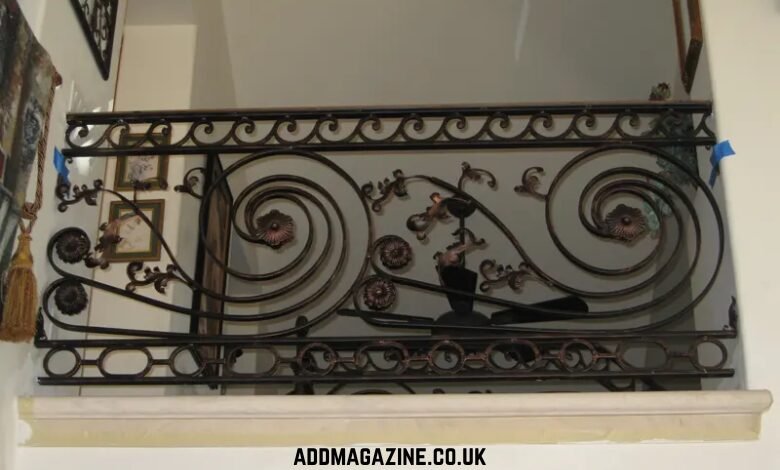
Property value in Costa Mesa depends heavily on both structural integrity and aesthetic appeal, particularly for exterior features that face constant exposure to coastal conditions. Wrought iron railings represent a significant investment that can either enhance or diminish a home’s market position, depending on how well they address the region’s specific environmental challenges.
The marine climate creates unique demands for metal installations. Salt air accelerates corrosion processes, while temperature fluctuations cause expansion and contraction cycles that stress mounting points and joints. These conditions make proper material selection, installation techniques, and protective treatments critical for maintaining both safety standards and property values over time.
When wrought iron railings fail to meet these environmental demands, the consequences extend beyond simple maintenance issues. Visible deterioration signals potential structural problems to prospective buyers, while improper installations can create safety liabilities that complicate property transactions. Understanding these failure points helps property owners make informed decisions about materials, contractors, and maintenance protocols.
Poor Material Selection Creates Long-Term Deterioration
The quality of base materials determines how well railings withstand Costa Mesa’s coastal environment. Many installations use standard mild steel components that lack adequate corrosion resistance for marine conditions. When wrought iron railings costa mesa installations rely on inferior materials, salt air penetrates protective coatings and initiates rust formation that spreads throughout the structure.
True wrought iron contains specific carbon levels and metallurgical properties that provide superior corrosion resistance compared to modern steel alternatives. However, many contractors substitute standard structural steel to reduce material costs, creating installations that appear identical initially but deteriorate rapidly under coastal exposure. This material degradation becomes visible within the first few years as rust stains, pitting, and structural weakness develop.
Metallurgical Composition Affects Performance
The carbon content and grain structure of wrought iron create natural barriers to corrosion penetration. Traditional wrought iron contains fibrous slag inclusions that run parallel to the metal grain, creating layers that slow rust propagation. Modern steel lacks these protective characteristics, making it vulnerable to uniform corrosion that weakens the entire structure simultaneously.
When contractors use inappropriate steel grades, the resulting installations experience accelerated deterioration that requires complete replacement rather than simple maintenance. This creates significant unexpected costs for property owners and reduces curb appeal during the degradation process.
Coating Compatibility Issues
Different base metals require specific primer and paint systems for optimal protection. Standard steel needs different surface preparation and coating chemistry compared to true wrought iron. When contractors apply incompatible coating systems, adhesion failures occur that allow moisture penetration and rapid corrosion development.
The visual impact significantly reduces property appeal while indicating underlying structural problems that concern potential buyers.
Inadequate Foundation and Mounting Systems
Wrought iron railings transfer significant loads to their mounting points, particularly during high wind events common in coastal areas. Many installations rely on surface-mounted brackets or shallow embedment depths that cannot adequately distribute these forces. When mounting systems fail, railings become loose, creating safety hazards and visible structural defects that immediately signal poor installation quality.
Proper foundation design requires understanding soil conditions, wind loads, and the thermal expansion characteristics of wrought iron components. Costa Mesa’s varied soil types, from sandy coastal areas to clay-rich inland zones, demand different foundation approaches. Installations that ignore these geological factors experience settling, tilting, or complete failure that compromises both safety and appearance.
Load Distribution Problems
Inadequate mounting systems concentrate stresses at individual attachment points rather than distributing loads across the entire foundation system. This creates stress concentrations that exceed the capacity of both the mounting hardware and the surrounding concrete or masonry. Over time, these concentrated loads cause cracking, spalling, and loosening that allows progressive failure.
The visual signs of mounting system inadequacy include gaps between railings and mounting surfaces, visible deflection under normal loads, and cracking in surrounding concrete or stucco. These defects immediately communicate poor workmanship to prospective buyers and create liability concerns for current owners.
Thermal Movement Accommodation
Wrought iron expands and contracts significantly with temperature changes, creating forces that mounting systems must accommodate without failure. Rigid mounting systems that cannot allow controlled movement transfer these thermal stresses directly to foundation elements, causing progressive damage over repeated thermal cycles.
Proper mounting systems incorporate expansion joints, flexible connections, or designed movement allowances that prevent thermal stress accumulation. When these provisions are omitted, thermal cycling creates cumulative damage that eventually results in visible distortion or complete separation.
Insufficient Corrosion Protection Systems
Coastal environments demand comprehensive corrosion protection that goes beyond standard paint application. Many wrought iron installations rely on single-coat paint systems that provide inadequate barrier protection against salt air penetration. According to the National Institute of Standards and Technology, marine environments require multi-layer protection systems specifically designed for high-chloride exposure conditions.
Effective corrosion protection begins with proper surface preparation that removes all mill scale, rust, and contamination before primer application. Many contractors skip these preparation steps to reduce labor costs, creating installations with poor coating adhesion that fails within the first few years of service. This premature coating failure exposes the base metal to direct environmental attack, accelerating deterioration and creating visible rust staining.
Surface Preparation Inadequacies
Proper surface preparation requires mechanical abrasion or chemical treatment to create the surface profile necessary for coating adhesion. Inadequate preparation leaves contaminants and smooth surfaces that prevent proper primer bonding. When coatings separate from the substrate, moisture penetration begins immediately, creating localized corrosion cells that spread throughout the structure.
The visual evidence of inadequate surface preparation includes early coating failure, rust bleeding through paint films, and systematic coating delamination. These defects create maintenance requirements that far exceed normal expectations and signal fundamental installation problems to knowledgeable observers.
Primer System Selection
Different environmental conditions require specific primer chemistries for optimal performance. Marine environments demand primers with high zinc content or specialized corrosion inhibitors that provide active protection even when the coating is damaged. Standard primers designed for interior or mild outdoor conditions cannot provide adequate protection in coastal settings.
When inappropriate primer systems are used, localized corrosion develops at coating defects and spreads beneath the paint film. This under-film corrosion creates visible bubbling and systematic coating failure that requires complete refinishing rather than simple touch-up maintenance.
Design Problems That Compromise Functionality
Wrought iron railing design must balance aesthetic goals with structural requirements and maintenance accessibility. Many installations prioritize decorative elements over functional considerations, creating designs with water traps, inaccessible joints, and complex geometries that accelerate deterioration. These design flaws become apparent during the first maintenance cycle and create ongoing problems that reduce property value.
Effective designs incorporate drainage provisions, smooth transitions, and accessible connection points that facilitate regular maintenance. When these functional requirements are ignored, installations develop problems that cannot be resolved through simple repairs, requiring extensive modifications or complete replacement.
Water Management Deficiencies
Horizontal surfaces and enclosed sections trap moisture that accelerates corrosion in critical structural areas. Many decorative designs include horizontal rails, enclosed balusters, or complex joints that collect water and prevent proper drainage. These moisture traps create localized corrosion problems that spread throughout the structure over time.
Proper designs eliminate horizontal water-trapping surfaces, provide drainage paths for enclosed sections, and incorporate details that shed water away from critical joints. When these provisions are omitted, persistent moisture exposure creates accelerated deterioration that becomes visible as rust staining and structural weakness.
Maintenance Accessibility Issues
Complex decorative elements and inaccessible joints prevent proper cleaning and maintenance, allowing contaminant accumulation that accelerates deterioration. Designs with deep recesses, overlapping components, or enclosed spaces cannot be properly maintained using standard techniques, creating areas where corrosion initiates and progresses undetected.
Maintenance-friendly designs provide access to all surfaces, eliminate contamination traps, and allow proper cleaning and coating application. When accessibility is ignored during design development, maintenance costs increase significantly while effectiveness decreases, creating installations that deteriorate despite regular attention.
Poor Integration with Existing Architecture
Wrought iron railings must complement existing architectural elements while meeting structural and safety requirements. Many installations ignore the architectural context, creating visual conflicts that reduce overall property appeal. These integration problems become particularly apparent in Costa Mesa’s diverse architectural styles, from Mediterranean Revival to Contemporary designs.
Successful integration requires understanding the proportional relationships, material compatibility, and stylistic elements that define the existing architecture. When railings conflict with these established patterns, they create visual discord that reduces property value and suggests poor design judgment.
Proportional Relationship Errors
Railing scale must match the proportions of surrounding architectural elements to create visual harmony. Oversized railings overwhelm delicate architectural details, while undersized installations appear inadequate for their structural role. These proportional mismatches create immediate visual problems that signal poor design integration.
Proper proportioning considers the size of door and window openings, the scale of architectural trim, and the overall building mass. When these relationships are ignored, railings appear as afterthoughts rather than integral architectural elements, reducing the perceived quality of the entire property.
Style Consistency Problems
Decorative elements and detailing must reflect the architectural style of the existing structure. Traditional styles require classical proportions and historical detailing, while contemporary designs demand clean lines and minimal ornamentation. Mixing incompatible stylistic elements creates visual confusion that reduces architectural coherence.
Style mismatches become particularly problematic when decorative railings incorporate elements from different historical periods or architectural traditions. These conflicts suggest poor design understanding and create installations that appear inappropriate for their context.
Installation Timing and Weather Considerations
Coastal weather conditions significantly affect installation quality and long-term performance. Many contractors ignore weather requirements for surface preparation, coating application, and curing processes. When installations proceed under inappropriate conditions, coating adhesion, curing characteristics, and initial corrosion protection suffer permanent degradation that affects service life.
Proper installation scheduling considers temperature, humidity, wind conditions, and precipitation forecasts to ensure optimal conditions for each phase of work. When these environmental factors are ignored, installations experience problems that become apparent during the first year of service and require expensive remedial work.
Coating Application Conditions
Paint and primer systems require specific temperature and humidity ranges for proper application and curing. High humidity interferes with solvent evaporation and film formation, while low temperatures prevent proper flow and leveling. Wind conditions can introduce contamination and affect spray application patterns, creating uneven coating thickness.
When coatings are applied under inappropriate conditions, film defects develop that provide pathways for moisture penetration and corrosion initiation. These defects may not become visible immediately but create premature failure that requires complete refinishing within a few years of installation.
Concrete Curing Requirements
Foundation elements require adequate curing time before load application to develop full strength and durability. Accelerated installation schedules that apply loads to immature concrete create micro-cracking and reduced capacity that affects long-term performance. These structural deficiencies may not cause immediate failure but create progressive deterioration that eventually requires foundation repair.
Proper curing protocols ensure that concrete reaches design strength before railing installation and load application. When these requirements are compressed to meet aggressive schedules, foundation performance suffers and installations develop problems that require expensive structural repairs.
Inadequate Quality Control and Testing
Professional installations require systematic quality control measures that verify material specifications, installation procedures, and performance requirements. Many contractors rely on visual inspection alone, missing critical defects that affect long-term performance. Without proper quality control, installations may appear satisfactory initially while containing defects that cause premature failure.
Comprehensive quality control includes material certification, installation documentation, and performance testing that verifies compliance with design requirements. When these measures are omitted, installations may not meet safety standards or performance expectations, creating liability issues and reduced service life.
Material Verification Problems
Confirming that delivered materials match design specifications requires documentation review and physical testing. Many installations proceed without proper material certification, substituting inferior grades or inappropriate alloys that compromise performance. These material substitutions may not affect initial appearance but create long-term problems that require complete replacement.
Proper material verification includes mill certification review, chemical analysis confirmation, and mechanical property testing when required. When these verification steps are skipped, installations may not provide the corrosion resistance or structural capacity specified in the design.
Installation Documentation Deficiencies
Professional installations require documentation of critical installation parameters including foundation dimensions, mounting torques, and coating thickness measurements. This documentation provides the basis for warranty claims and future maintenance planning. Without proper documentation, problems that develop cannot be traced to their source, complicating repair efforts and warranty resolution.
Complete installation documentation also provides valuable information for future maintenance contractors, ensuring that repairs and refinishing work use compatible materials and procedures. When this documentation is omitted, future work may inadvertently create compatibility problems that accelerate deterioration.
Conclusion
Wrought iron railing installations in Costa Mesa require careful attention to material selection, environmental protection, and installation quality to maintain both safety and property value. The coastal environment creates specific challenges that demand professional expertise and quality materials, making contractor selection critical for long-term success.
Working with experienced contractors who understand coastal construction requirements and maintain proper quality control measures ensures installations that enhance rather than detract from property appeal.
The investment in proper materials, installation techniques, and protective systems provides returns through reduced maintenance costs, enhanced curb appeal, and improved property values.