Manufacturing facilities across sectors face mounting pressure to optimize throughput while maintaining operational reliability. Equipment downtime, inefficient material flow, and storage bottlenecks directly impact production schedules and cost structures. Over the past decade, several facilities have implemented comprehensive storage and material handling overhauls that fundamentally changed their operational capacity.
These transformations often involve replacing manual processes with systematic approaches to inventory movement, storage density optimization, and workflow coordination. The results typically extend beyond simple efficiency gains to include measurable improvements in safety protocols, space utilization, and overall production consistency. Understanding how these implementations work in practice provides insight into the operational decisions that separate functional facilities from high-performing manufacturing operations.
Automated Storage and Retrieval Systems in High-Volume Production
Automated storage and retrieval systems represent a fundamental shift from manual inventory management to computer-controlled material handling. These systems use mechanical equipment to automatically place and retrieve materials from designated storage locations, eliminating the variability and time delays associated with human-operated forklifts and manual picking processes. Modern industrial storage material handling solutions often center around these automated approaches because they provide consistent retrieval times and reduce the risk of inventory placement errors.
The operational impact extends beyond simple speed improvements. Facilities report more predictable material availability, which allows production scheduling to operate with tighter tolerances and reduced buffer stock requirements. This consistency becomes particularly valuable in lean manufacturing environments where material shortages can cascade into significant production delays.
Integration with Manufacturing Execution Systems
The connection between automated storage systems and production control software creates real-time coordination between material availability and manufacturing schedules. When production systems can directly communicate material requirements to storage systems, facilities achieve much tighter synchronization between inventory movements and actual production needs. This integration reduces the common problem of materials arriving too early or too late in the production sequence.
Facilities implementing this level of integration typically see reductions in work-in-process inventory levels because materials move through the system based on actual consumption rather than estimated requirements. The result is improved cash flow and reduced risk of material obsolescence or damage from extended storage periods.
High-Density Storage Solutions for Space-Constrained Operations
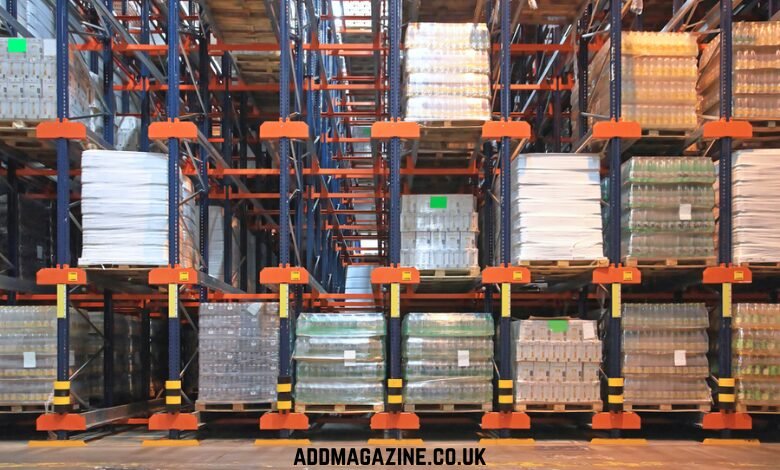
Many manufacturing facilities operate within fixed building footprints where expanding storage capacity requires maximizing vertical space utilization. High-density storage systems achieve this through narrow-aisle configurations, multi-level storage structures, and specialized equipment designed to operate in confined spaces. These solutions become essential when facility expansion is not economically viable or when real estate costs make additional floor space prohibitively expensive.
The engineering considerations involve more than simple vertical stacking. Structural load calculations, seismic requirements, and equipment access patterns all influence the design of high-density storage installations. Facilities must also account for fire suppression system modifications and emergency access requirements that may differ significantly from conventional storage layouts.
Mobile Racking Systems for Variable Inventory Levels
Industries with seasonal demand patterns or project-based inventory requirements often benefit from storage systems that can adapt to changing space needs. Mobile racking systems mounted on rail tracks allow facilities to create temporary aisles where needed while maintaining maximum storage density in unused areas. This flexibility proves particularly valuable for facilities managing both fast-moving and slow-moving inventory categories.
The mechanical complexity of mobile systems requires careful maintenance planning and operator training. However, facilities report that the ability to reconfigure storage layouts without major construction projects provides significant operational flexibility when product lines change or inventory profiles shift.
Conveyor Integration for Continuous Material Flow
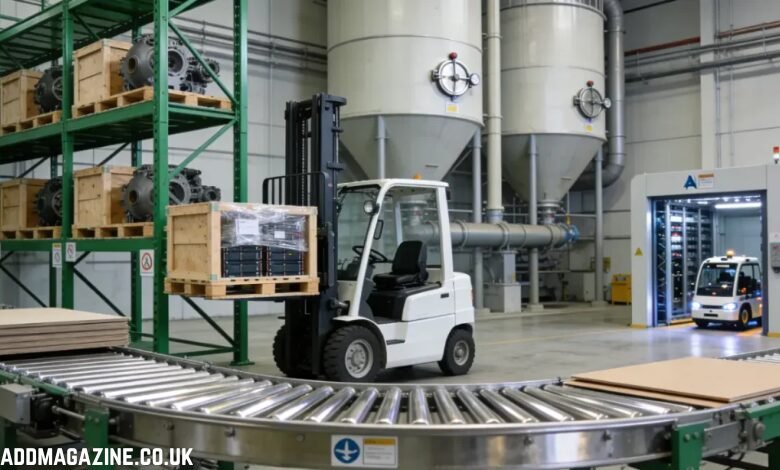
Conveyor systems eliminate many of the start-stop inefficiencies associated with forklift-based material movement by creating continuous pathways between storage areas and production zones. The design of these systems requires careful analysis of material flow patterns, peak demand periods, and integration points with existing equipment. Successful installations typically result in more predictable material delivery times and reduced labor requirements for routine material movement tasks.
The operational benefits extend to safety improvements as well. Reducing forklift traffic in production areas decreases the risk of accidents and allows workers to focus on value-added activities rather than material handling tasks. Facilities often report improved housekeeping standards because materials follow defined pathways rather than creating temporary storage situations in production areas.
Buffer Storage Integration Points
Strategic placement of buffer storage zones within conveyor networks prevents production line stoppages when upstream or downstream processes operate at different rates. These buffer zones act as temporary accumulation points that absorb variation in material flow rates without requiring immediate operator intervention. The sizing and location of buffer storage directly impacts overall system resilience.
Effective buffer storage design considers both normal operational variation and planned maintenance scenarios. When buffer zones are properly sized and positioned, facilities can continue operating even when individual system components require temporary shutdown for maintenance or troubleshooting activities.
Robotic Material Handling for Precision Operations
Robotic systems excel in applications requiring consistent handling of materials with specific orientation, placement, or damage sensitivity requirements. Unlike human operators, robots perform identical movements repeatedly without fatigue-related variation, making them particularly valuable for operations involving fragile components or precise assembly requirements.
The decision to implement robotic material handling often depends on the repeatability of required tasks and the consequence of handling variations. Operations involving heavy materials, hazardous substances, or extremely precise placement requirements generally see the most significant benefits from robotic implementation.
Collaborative Robot Applications in Material Handling
Collaborative robots designed to work alongside human operators provide flexibility that traditional industrial robots cannot match. These systems can handle routine material movement tasks while allowing human operators to focus on decision-making and problem-solving activities. The safety systems in collaborative robots enable close human interaction without the extensive guarding required for conventional industrial robots.
Implementation success often depends on clear definition of human and robot responsibilities within material handling workflows. Facilities report the best results when collaborative systems handle predictable, repetitive tasks while human operators manage exceptions, quality assessments, and process adjustments.
Real-Time Inventory Tracking and Location Management
Modern inventory tracking systems provide immediate visibility into material locations, quantities, and movement history throughout storage and handling operations. Radio frequency identification, barcode scanning, and vision systems eliminate the delays and errors associated with manual inventory record keeping. This real-time visibility enables more responsive material planning and reduces the safety stock requirements traditionally needed to buffer against inventory uncertainty.
The National Institute of Standards and Technology has established protocols for automated identification systems that help ensure consistent performance across different equipment manufacturers and software platforms. Facilities implementing these standardized approaches typically experience better system integration and reduced technical compatibility issues.
Integration with Enterprise Resource Planning Systems
Direct communication between material tracking systems and enterprise resource planning software eliminates many of the data entry delays and transcription errors that plague manual inventory management processes. Real-time inventory updates enable more accurate production planning and procurement decisions because planners work with current rather than estimated inventory levels.
This integration particularly benefits facilities with complex bill-of-materials structures or frequent engineering changes. When inventory systems automatically update component availability based on actual consumption, production planners can identify material shortages before they impact production schedules rather than discovering problems during material picking operations.
Ergonomic Storage Solutions for Manual Operations
Despite increasing automation, many facilities continue to rely on manual material handling for certain operations, particularly those involving variable part geometries or complex decision-making requirements. Ergonomic storage solutions reduce the physical stress and injury risk associated with manual material handling while improving picking accuracy and speed. These solutions often involve adjustable height storage, gravity-fed presentation systems, and optimized layout designs based on picking frequency and material characteristics.
The investment in ergonomic improvements typically generates returns through reduced workers’ compensation claims, lower employee turnover, and improved picking accuracy. Facilities also report better employee satisfaction and engagement when physical working conditions improve through thoughtful storage system design.
Pick-and-Pack Optimization Strategies
Systematic organization of picking operations based on order frequency, material weight, and travel distance reduces the time and effort required for order fulfillment activities. These optimizations often involve clustering fast-moving items in easily accessible locations while positioning slower-moving inventory in areas that require longer travel times but are accessed less frequently.
Advanced picking strategies such as batch picking, zone picking, and wave planning further improve efficiency by organizing human activities to minimize non-productive travel time. Facilities implementing these strategies typically see improvements in both picking speed and accuracy because operators can establish consistent movement patterns and develop familiarity with frequently accessed locations.
Climate-Controlled Storage for Sensitive Materials
Manufacturing operations involving materials sensitive to temperature, humidity, or atmospheric conditions require specialized storage environments that maintain consistent conditions regardless of external weather variations. Climate-controlled storage systems integrate environmental monitoring, automated adjustment capabilities, and backup systems to protect valuable materials from damage caused by environmental fluctuations.
The engineering requirements for climate-controlled storage extend beyond simple heating and cooling systems. Proper implementation requires consideration of air circulation patterns, moisture control, contamination prevention, and emergency backup systems to maintain environmental conditions during power outages or equipment failures.
Material Qualification and Traceability Systems
Industries with strict material certification requirements, such as aerospace or medical device manufacturing, require storage systems that maintain complete traceability from receipt through consumption. These systems track not only material locations but also environmental exposure history, handling events, and certification documentation throughout the storage period.
Automated environmental monitoring systems create continuous records of storage conditions that become part of the material qualification documentation. This automated record-keeping eliminates manual logging requirements while providing more detailed and accurate environmental history data for quality assurance and regulatory compliance purposes.
Cross-Docking Systems for Just-in-Time Operations
This approach requires precise timing coordination between suppliers, transportation systems, and internal production schedules but can dramatically reduce inventory carrying costs and storage space requirements.
Successful cross-docking implementation depends heavily on reliable supplier performance and accurate demand forecasting. Facilities typically implement cross-docking gradually, starting with high-volume, predictable materials before expanding to more complex or variable demand items.
Load Consolidation and Scheduling Coordination
Effective cross-docking operations require sophisticated scheduling systems that coordinate multiple inbound deliveries with internal production requirements and outbound distribution activities. These systems must account for material handling capacity constraints, dock availability, and production sequence requirements while maintaining buffer capacity for handling unexpected delays or priority changes.
The coordination complexity increases significantly when facilities handle materials with different handling requirements, storage restrictions, or quality inspection procedures. Advanced planning systems help manage this complexity by automatically scheduling activities based on material characteristics, available resources, and production priorities.
Modular Storage Systems for Flexible Operations
Manufacturing facilities facing uncertain demand patterns or frequent product line changes benefit from storage systems designed for easy reconfiguration and expansion. Modular storage solutions use standardized components that can be assembled into different configurations without major construction projects or specialized installation equipment. This flexibility allows facilities to adapt storage capacity and layout to changing operational requirements without the capital investment required for complete system replacement.
The modular approach particularly benefits facilities in industries with short product lifecycles or seasonal demand variations. Storage layouts can be modified to accommodate different inventory profiles as product mixes change, maintaining optimal space utilization across varying operational requirements.
Scalability Planning for Growth Operations
Modular systems enable phased implementation approaches where facilities can install initial capacity to meet current requirements while maintaining clear expansion paths for future growth. This approach reduces initial capital requirements while ensuring that early installations remain compatible with future expansions.
Strategic planning for modular systems involves analysis of potential growth scenarios and identification of expansion constraints such as structural limitations, utility capacity, or access requirements. Facilities that plan expansion paths during initial design typically achieve better integration and lower expansion costs compared to retrofitted additions.
Predictive Maintenance Integration for System Reliability
Material handling systems represent critical infrastructure for manufacturing operations, and unexpected equipment failures can halt production across entire facilities. Predictive maintenance systems monitor equipment condition through sensors, vibration analysis, and operational data to identify potential failures before they occur. This proactive approach reduces unplanned downtime while optimizing maintenance resource allocation based on actual equipment condition rather than predetermined schedules.
The integration of predictive maintenance with material handling systems requires careful selection of monitoring points, data collection systems, and analysis algorithms appropriate for different equipment types. Successful implementations typically start with critical equipment that has the highest downtime impact before expanding to less critical system components.
Performance Analytics and Continuous Improvement
Advanced monitoring systems provide detailed performance data that supports continuous improvement efforts by identifying operational patterns, efficiency trends, and optimization opportunities. This data-driven approach to system management enables incremental improvements that compound over time to produce significant operational gains.
Regular analysis of system performance data helps facilities identify emerging issues, validate improvement initiatives, and optimize system configurations based on actual usage patterns. The combination of predictive maintenance data with operational performance metrics provides a comprehensive view of system health and improvement opportunities.
Conclusion
The transformation of factory productivity through advanced industrial storage material handling solutions requires careful analysis of operational requirements, systematic implementation planning, and ongoing optimization based on performance data. The ten solution categories outlined demonstrate the breadth of available approaches and the importance of selecting technologies that align with specific operational challenges and constraints.
Success in these implementations typically depends more on thorough planning and integration considerations than on the sophistication of individual technologies. Facilities achieving the most significant productivity improvements generally focus on creating cohesive systems that address multiple operational challenges simultaneously rather than implementing isolated solutions that optimize individual processes.
The continued evolution of these technologies suggests that future opportunities will emerge from better integration between different system components and improved data analytics capabilities. Manufacturing facilities that establish strong foundations in systematic material handling practices position themselves to capitalize on these advancing capabilities while maintaining operational reliability during transition periods.