Professional audio recording demands consistent quality across every element of the signal chain. While microphone selection and positioning often receive primary attention, the small components that protect and optimize microphone performance frequently get overlooked until problems emerge. Poor audio quality during critical recordings, interviews, or broadcasts can damage professional credibility and require costly retakes or post-production fixes.
Lapel microphones face unique challenges in real-world applications. They operate close to clothing, skin, and environmental factors that create interference, wind noise, and handling sounds. The foam covers designed to address these issues represent a small investment that significantly impacts overall audio quality, yet many professionals make fundamental errors in their selection, application, and maintenance. These mistakes compound over time, leading to inconsistent results and compromised recordings when quality matters most.
Understanding Foam Cover Function and Material Selection
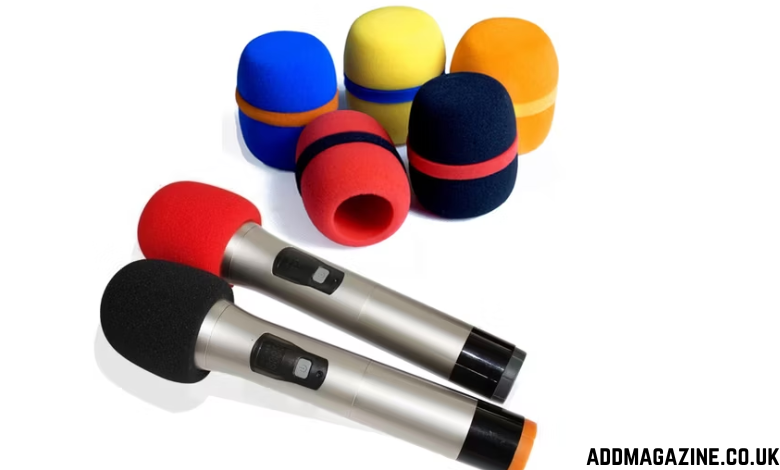
Lapel microphone foam covers serve multiple technical functions beyond simple wind protection. They create a controlled acoustic environment around the microphone capsule, reducing turbulence and filtering unwanted frequencies while maintaining signal clarity. The material composition and density of these covers directly affect how sound waves interact with the microphone element. A comprehensive Lapel Microphone Foam Cover overview reveals the engineering considerations that separate professional-grade solutions from generic alternatives.
The acoustic properties of foam materials vary significantly based on their cellular structure and density. Open-cell foam allows air movement while dampening wind noise, but different pore sizes create varying levels of high-frequency attenuation. Dense foam provides superior wind protection but may reduce the natural brightness and presence that lapel microphones need to cut through ambient noise. The wrong material selection creates a muffled sound signature that no amount of post-processing can fully restore.
Material Density Impact on Frequency Response
Professional recording environments require consistent frequency response across multiple recording sessions. When foam covers alter the microphone’s natural response curve, recordings from the same session can sound noticeably different if covers are inconsistently applied or replaced with different materials. This variation becomes particularly problematic in multi-camera productions where audio from several lapel microphones must match seamlessly.
The relationship between foam density and acoustic transparency determines whether the cover enhances or degrades microphone performance. Too little density fails to provide adequate wind protection, allowing breath sounds and fabric noise to contaminate recordings. Excessive density creates a filtering effect that removes essential high-frequency content, making voices sound distant and unclear.
Chemical Composition and Longevity Considerations
The chemical stability of foam materials affects both acoustic performance and practical durability. Low-quality foams break down quickly when exposed to skin oils, makeup, and cleaning solvents commonly encountered in professional recording environments. As foam deteriorates, its acoustic properties change unpredictably, creating inconsistent results across recording sessions.
Premium foam formulations resist degradation from contact with skin and cosmetic products while maintaining their acoustic characteristics over extended use. This consistency proves essential for productions requiring multiple recording days or when microphones must be shared between different talent.
Size Matching and Microphone Compatibility Issues
Proper dimensional matching between foam covers and microphone capsules determines both acoustic performance and physical security. Loose-fitting covers create air gaps that reduce wind protection effectiveness and allow the cover to shift during recording, creating handling noise and inconsistent acoustic coupling. Covers that fit too tightly compress the foam material, altering its acoustic properties and potentially damaging delicate microphone elements.
Different lapel microphone models feature varying capsule dimensions and mounting configurations. Generic foam covers often compromise fit quality to achieve broad compatibility, resulting in suboptimal performance across different microphone types. The acoustic seal between cover and microphone body directly affects how effectively the cover isolates the capsule from environmental interference.
Mounting System Compatibility
Professional lapel microphones employ different mounting mechanisms for attaching accessories like foam covers. Some systems rely on friction fit, while others use specialized clips or threading systems. Mismatched mounting approaches create unstable connections that allow covers to detach during critical recording moments or shift position in ways that affect audio quality.
The mounting interface also influences how acoustic energy transfers between the cover and microphone body. Poor mounting creates vibration paths that transmit handling noise directly to the capsule, defeating the isolation benefits that proper foam covers should provide.
Capsule Geometry and Acoustic Coupling
Microphone capsule shape varies significantly between manufacturers and model lines. Cylindrical, spherical, and custom-formed capsules each require different foam cover geometries to achieve optimal acoustic coupling.
The acoustic space between foam cover and capsule determines how effectively sound waves reach the microphone element. This spacing affects both desired audio signals and unwanted noise, making proper geometric matching essential for predictable performance.
Environmental Application and Usage Context Errors
Different recording environments present distinct acoustic challenges that require appropriate foam cover selection and application techniques. Indoor studio environments prioritize different acoustic characteristics than outdoor location recording or live event coverage. Mismatching cover specifications to environmental requirements creates preventable audio quality issues that compromise recording success.
Wind conditions, humidity levels, and ambient noise profiles vary dramatically between recording scenarios. According to Wikipedia’s comprehensive microphone resource, environmental factors significantly impact microphone performance, making proper acoustic protection essential for consistent results. Foam covers designed for controlled studio environments may prove inadequate for outdoor applications where wind noise and temperature variations create additional challenges.
Climate and Weather Considerations
Temperature and humidity changes affect both foam material properties and microphone performance characteristics. Standard foam covers may become less effective in high humidity conditions where moisture absorption alters acoustic properties. Cold temperatures can make foam materials brittle and less effective at dampening vibrations, while excessive heat may cause foam to compress permanently.
Professional recording schedules often require equipment to perform consistently across varying weather conditions. Foam covers that work effectively in controlled indoor environments may fail when exposed to outdoor temperature extremes, creating audio quality problems during critical recording moments.
Activity Level and Movement Requirements
The physical demands of different recording scenarios affect foam cover performance and durability requirements. Static interview situations create different challenges than active event coverage or performance recording where talent moves extensively. Covers adequate for stationary applications may shift or detach when subjected to the physical stresses of active recording scenarios.
Movement generates additional sources of noise through fabric contact and air turbulence around the microphone. Inadequate foam cover design fails to address these movement-related noise sources, allowing contamination that degrades recording quality throughout active sequences.
Installation and Positioning Technique Problems
Correct installation technique ensures foam covers provide maximum acoustic benefit while maintaining secure attachment throughout recording sessions. Common installation errors reduce effectiveness and create opportunities for covers to shift or detach during critical moments. The orientation and positioning of foam covers relative to the microphone capsule affects both wind protection and acoustic transparency.
Many professionals underestimate the precision required for optimal foam cover installation. Small variations in positioning can significantly impact acoustic performance, creating inconsistent results between recording sessions or when covers are reinstalled after cleaning or replacement.
Orientation and Directional Considerations
Lapel microphone foam covers often feature directional characteristics that optimize performance when properly oriented relative to expected sound sources and environmental factors. Incorrect orientation reduces acoustic effectiveness and may actually increase certain types of unwanted noise. The relationship between cover positioning and microphone polar patterns determines how effectively the combination captures desired audio while rejecting interference.
Professional recording techniques require consistent microphone positioning to maintain predictable acoustic characteristics. When foam covers are installed inconsistently, the resulting variations in acoustic coupling create noticeable differences in recording quality that may not become apparent until post-production review.
Pressure and Compression Balance
The attachment pressure applied when installing foam covers directly affects their acoustic properties and mechanical stability. Insufficient pressure allows covers to shift during use, while excessive pressure compresses the foam material and alters its acoustic characteristics. Finding the optimal balance requires understanding both the mechanical properties of the foam material and the acoustic requirements of the recording application.
Compressed foam loses its ability to effectively dampen acoustic disturbances, reducing the protective benefits that justify using covers in the first place. This compression effect often develops gradually over time, making it difficult to identify until audio quality problems become apparent during critical recordings.
Maintenance and Replacement Cycle Neglect
Regular maintenance and timely replacement of lapel microphone foam covers ensures consistent acoustic performance and hygiene standards essential for professional recording environments. Degraded foam covers not only compromise audio quality but can also harbor bacteria and odors that create health concerns when microphones are shared between different users.
The gradual nature of foam deterioration makes it easy to overlook the need for replacement until audio quality issues become obvious. Establishing systematic maintenance schedules prevents these problems from affecting recording quality during important projects.
Cleaning Protocol Impact on Material Properties
Improper cleaning techniques accelerate foam degradation and can introduce contaminants that affect both acoustic performance and user safety. Different foam materials require specific cleaning approaches to maintain their acoustic properties while achieving adequate sanitation. Harsh chemicals or excessive heat during cleaning processes can permanently alter foam structure and acoustic characteristics.
Professional recording environments require effective sanitation between users while preserving equipment performance. Cleaning protocols that damage foam covers create hidden costs through reduced replacement intervals and compromised audio quality during the degradation period.
Performance Monitoring and Replacement Indicators
Systematic performance monitoring helps identify when foam covers require replacement before audio quality degrades to unacceptable levels. Visual inspection alone often fails to detect acoustic degradation, making regular audio testing essential for maintaining consistent recording standards. Changes in background noise levels, frequency response, or sensitivity patterns indicate foam cover deterioration that requires attention.
Establishing objective criteria for replacement decisions removes guesswork from maintenance scheduling and ensures consistent audio quality across all recording sessions. These criteria should account for both acoustic performance and hygiene requirements that vary depending on usage intensity and environmental conditions.
Budget and Quality Balance Miscalculations
Cost considerations often drive foam cover selection decisions, but focusing solely on initial purchase price frequently results in higher total costs through increased replacement frequency, compromised recording quality, and additional post-production requirements. Professional recording environments require balancing upfront investment with long-term performance and reliability requirements.
The relationship between foam cover quality and total cost of ownership extends beyond simple durability considerations. Higher-quality covers often provide superior acoustic performance that reduces post-production time and eliminates the need for costly retakes when audio quality falls short of professional standards.
Performance Consistency and Professional Standards
Professional recording clients expect consistent audio quality that meets industry standards regardless of environmental challenges or equipment age. Low-quality foam covers create variability that makes it difficult to guarantee consistent results across different recording sessions. This inconsistency can damage professional reputation and result in client relationships that require costly remediation efforts.
The acoustic performance differences between premium and budget foam covers often become apparent only during challenging recording conditions when reliable performance matters most. Investing in quality covers provides insurance against audio quality failures during critical recording opportunities.
Total Cost of Ownership Analysis
Comprehensive cost analysis should account for replacement frequency, acoustic performance impact, and the hidden costs of audio quality problems. Premium foam covers typically provide longer service life and more consistent performance, reducing both replacement costs and the risk of recording quality issues that require expensive solutions.
The cost of retaking recordings or extensive post-production correction often exceeds the price difference between budget and professional-grade foam covers. This economic reality makes quality investment a practical business decision rather than an unnecessary expense.
Conclusion
Professional audio recording success depends on attention to every element in the signal chain, including seemingly minor components like lapel microphone foam covers. The ten mistake categories outlined here represent common oversights that compromise recording quality and create unnecessary costs through equipment replacement, post-production correction, and project delays.
Avoiding these mistakes requires understanding the technical requirements of specific recording applications, investing in appropriate quality levels, and maintaining systematic approaches to installation and maintenance. The relatively small investment in proper foam covers and correct application techniques provides significant returns through improved audio quality, reduced post-production requirements, and greater reliability during critical recording sessions.
Professional recording environments benefit from treating foam covers as precision acoustic tools rather than generic accessories. This approach ensures consistent performance that supports professional standards and client expectations while minimizing the total cost of ownership through extended service life and reliable operation when quality matters most.