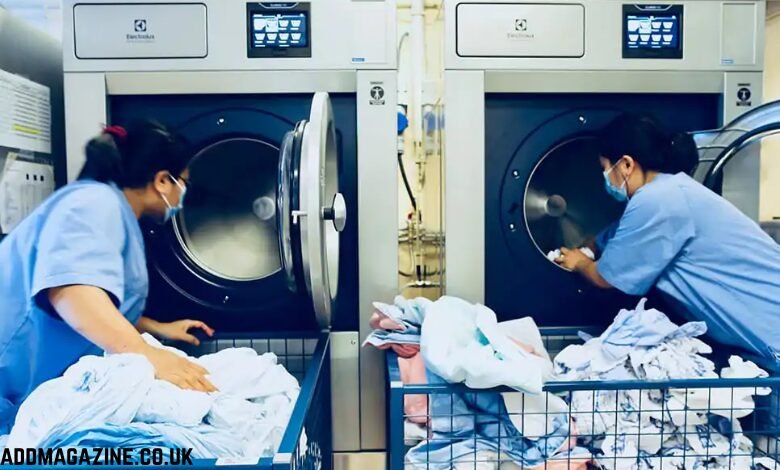
Healthcare facilities face mounting pressure to reduce operational expenses while maintaining quality patient care. Linen management represents one of the largest controllable cost centers in hospital operations, typically accounting for 15-20% of total operational budgets. Traditional manual tracking methods create inefficiencies that compound across departments, leading to overstocking, inventory loss, and delayed patient care. Modern hospitals are discovering that systematic approaches to linen tracking and distribution can eliminate these inefficiencies while improving service reliability.
The financial impact extends beyond simple inventory costs. Poor linen management affects staff productivity, patient satisfaction, and regulatory compliance. Nurses spend valuable time searching for clean linens, housekeeping teams struggle with inconsistent supply levels, and administrators face unexpected emergency purchases. These operational disruptions create a cascade of hidden costs that many facilities fail to recognize until they implement comprehensive tracking solutions.
Automated RFID Tracking Systems
Radio Frequency Identification technology transforms linen management by providing real-time visibility into inventory movement throughout hospital facilities. A comprehensive hospital linen management system using RFID tags attached to individual textile items creates an automated chain of custody from clean linen storage through patient use and return to laundry processing. This technology eliminates manual counting procedures and provides accurate data on usage patterns, loss rates, and inventory turnover.
The system operates through strategically placed readers that capture tag data as linens move between departments. Clean linens entering patient care areas register automatically, while soiled items departing for laundry processing update inventory records in real time. This continuous monitoring prevents stockouts and reduces emergency purchasing by maintaining optimal inventory levels based on actual usage data rather than estimates.
Implementation Across Multiple Departments
RFID systems integrate with existing hospital workflows without disrupting established procedures. Nursing staff continue normal linen usage patterns while the system captures data automatically. Housekeeping teams receive alerts when par levels drop below predetermined thresholds, ensuring consistent availability without overstocking. Central supply departments gain visibility into usage trends that inform purchasing decisions and vendor negotiations.
The technology scales effectively across hospital networks, providing corporate administrators with consolidated reporting on linen performance across multiple facilities. This enterprise visibility enables standardized procedures and bulk purchasing advantages that reduce per-unit costs while maintaining local operational flexibility.
Barcode-Based Inventory Control
Barcode systems offer a cost-effective alternative to RFID technology while providing significant improvements over manual tracking methods. These systems use printed labels attached to linen carts, storage locations, and individual high-value items to create checkpoints throughout the linen lifecycle. Staff members scan codes using handheld devices or smartphone applications to record linen movements and update inventory records.
The approach works particularly well for facilities that need improved tracking without the infrastructure investment required for RFID implementation. Barcode systems can be deployed incrementally, starting with high-value items like surgical linens and expanding to include general patient care textiles as staff members become familiar with scanning procedures.
Integration with Existing Hospital Systems
Modern barcode platforms connect directly with hospital information systems, automatically updating patient billing records when specialty linens are used in specific procedures. This integration eliminates manual data entry errors and ensures accurate cost allocation across departments. The system also generates reports that help administrators identify usage patterns and negotiate more favorable contracts with linen service providers.
Staff training requirements remain minimal since barcode scanning procedures mirror familiar processes already used for medication administration and supply management. This familiarity reduces implementation resistance and accelerates adoption across nursing and housekeeping teams.
Predictive Analytics Platforms
Data analytics transforms historical linen usage patterns into actionable insights that optimize inventory levels and purchasing decisions. These platforms analyze factors including patient census, seasonal variations, procedure schedules, and department-specific requirements to predict future linen needs with greater accuracy than traditional reorder methods.
The Centers for Disease Control emphasizes the importance of maintaining adequate clean linen supplies while minimizing contamination risks through proper handling procedures. Analytics platforms support these objectives by ensuring appropriate inventory levels without excessive handling or storage that could compromise textile quality.
Seasonal and Event-Based Forecasting
Advanced analytics platforms account for variables that traditional inventory management systems often miss. Emergency department usage spikes during flu seasons, surgical volumes fluctuate with physician schedules, and special events create temporary demand increases. The system learns from these patterns and adjusts ordering recommendations to prevent shortages without creating excess inventory that ties up working capital.
Integration with hospital scheduling systems provides additional forecasting accuracy by incorporating planned procedure volumes and anticipated patient acuity levels. This forward-looking approach prevents the reactive purchasing that typically drives up linen costs during peak demand periods.
Automated Distribution Networks
Pneumatic tube systems and automated guided vehicles are revolutionizing linen distribution within hospital facilities. These technologies reduce labor costs associated with manual linen transport while ensuring consistent delivery schedules that support patient care workflows. Automated distribution eliminates the variability that occurs when staff members must prioritize between linen delivery and direct patient care responsibilities.
The systems operate on predetermined schedules that align with housekeeping routines and nursing shift changes. Clean linens arrive at patient care areas precisely when needed, while soiled textiles move efficiently to collection points without creating hygiene concerns or workflow disruptions.
Labor Efficiency and Cost Reduction
Automated distribution allows housekeeping staff to focus on direct patient care support rather than routine material transport. This reallocation of human resources improves patient satisfaction scores while reducing overtime costs associated with linen shortages that require emergency deliveries. The system also minimizes cross-contamination risks by maintaining separation between clean and soiled linen pathways.
Facilities report significant reductions in worker compensation claims related to manual lifting and transport injuries. Automated systems handle the repetitive lifting tasks that contribute to back injuries among housekeeping staff, creating both cost savings and improved employee satisfaction.
Smart Storage Solutions
Intelligent storage systems use sensors and automated dispensing technology to monitor linen consumption patterns and maintain optimal inventory levels at point-of-use locations. These systems typically consist of secure cabinets or rooms equipped with weight sensors, access controls, and automated reorder capabilities that eliminate manual par level management.
The technology provides detailed usage data that reveals consumption patterns by department, shift, and individual staff members. This granular visibility enables administrators to identify training opportunities and optimize inventory distribution based on actual demand rather than historical estimates that may not reflect current operational requirements.
Point-of-Use Inventory Management
Smart storage eliminates the hoarding behavior that often occurs when staff members worry about linen availability. Secure access controls ensure appropriate usage while automated reordering maintains consistent stock levels. The system generates alerts when unusual consumption patterns suggest training needs or process improvements that could further reduce waste.
Integration with staff identification systems provides accountability without creating administrative burden. Nurses and housekeeping teams access needed linens quickly while the system captures data that supports continuous improvement initiatives and cost allocation accuracy.
Cloud-Based Monitoring Platforms
Centralized monitoring systems provide real-time visibility into linen operations across multiple hospital locations, enabling standardized procedures and consolidated reporting that supports strategic decision-making. These platforms aggregate data from various tracking technologies to create comprehensive dashboards that highlight performance trends, cost drivers, and improvement opportunities.
Cloud deployment eliminates the need for significant on-site IT infrastructure while providing the scalability required for hospital network expansion. The systems update automatically and maintain data security standards that comply with healthcare regulatory requirements.
Multi-Facility Performance Comparison
Enterprise-level reporting enables administrators to compare linen performance across different facilities and identify best practices that can be replicated throughout the hospital network. Facilities with superior cost management or efficiency metrics become models for system-wide improvements that drive overall performance gains.
The platforms also facilitate vendor management by providing standardized performance metrics that support contract negotiations and service level agreements. Consolidated data strengthens the hospital’s negotiating position while ensuring consistent service quality across all facilities.
Mobile Workforce Management
Smartphone and tablet applications extend linen management capabilities to frontline staff members, providing real-time access to inventory data, delivery schedules, and usage reporting. These mobile tools eliminate paperwork while ensuring that staff members have current information needed to make effective decisions about linen usage and reordering.
Mobile platforms also facilitate communication between departments when linen shortages or quality issues arise. Housekeeping supervisors receive immediate notifications about supply needs, while nursing managers can report problems directly to appropriate personnel without relying on phone calls or written communications that may be delayed or lost.
Real-Time Problem Resolution
Mobile applications enable immediate response to operational issues that could disrupt patient care. When linen shortages occur, staff members can request emergency deliveries directly through the system while administrators receive alerts that help prevent similar problems in the future. This proactive communication reduces the escalation of minor issues into major operational disruptions.
The systems also support quality control by allowing staff members to report damaged or contaminated linens immediately upon discovery. This rapid feedback prevents quality problems from reaching patient care areas while providing data that helps identify recurring issues with specific textile types or processing procedures.
Conclusion
Modern hospital linen management systems represent a significant opportunity for healthcare facilities to reduce operational costs while improving patient care quality. The seven approaches outlined above demonstrate how technology can transform traditional manual processes into efficient, data-driven operations that eliminate waste and optimize resource allocation. Successful implementation requires careful consideration of existing workflows, staff training needs, and integration requirements with current hospital systems.
The documented cost savings of up to 40% reflect the elimination of inefficiencies that have long been accepted as inevitable aspects of healthcare operations. As hospitals face continued pressure to control costs while maintaining quality, systematic approaches to linen management will become increasingly important for maintaining competitive operations. Facilities that invest in these technologies now position themselves for sustained operational advantages as healthcare continues to evolve toward value-based care models.