
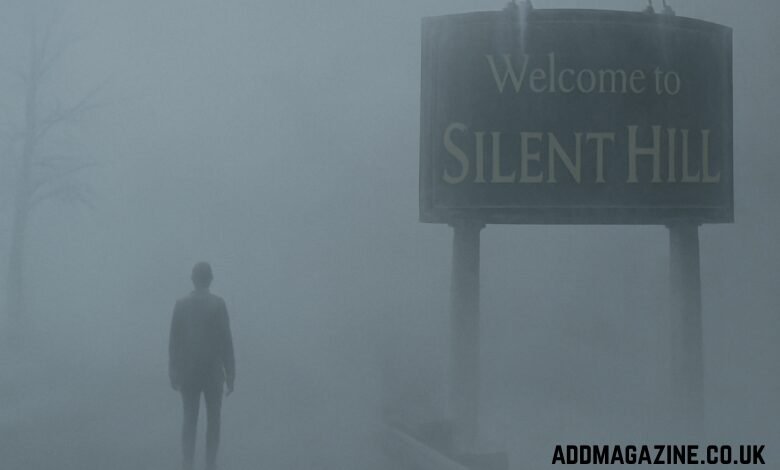
Silent Hill is a landmark in the survival horror genre. Since its debut in 1999, it has been celebrated for its disturbing atmosphere, psychological depth, and engaging storylines. What sets Silent Hill apart from other horror games is its ability to intertwine haunting visuals, atmospheric tension, and deep themes of guilt, trauma, and psychological horror. Geekzilla, a well-known platform dedicated to geek culture, has provided an extensive guide to the Silent Hill series. Known for its detailed reviews and in-depth breakdowns, Geekzilla has become an essential resource for Silent Hill enthusiasts. This article will explore Geekzilla’s coverage of the Silent Hill universe, examining how it dissects the complex elements that make the franchise so memorable.
The Silent Hill Universe: More Than Just a Game
Silent Hill is not just a town or a game; it’s a universe that has captivated players with its complex narrative and the deep psychological themes it explores. From the fog-covered streets to the nightmarish creatures that lurk within, Silent Hill has become a symbol of psychological horror in the gaming world. Geekzilla dives deep into these aspects, offering readers a closer look at the world-building that makes Silent Hill unique. The guide provides detailed descriptions of iconic locations within the series, such as the infamous Silent Hill town, Midwich Elementary, and the terrifying Otherworld, a twisted dimension that serves as a manifestation of the characters’ deepest fears and regrets.
Decoding the Mysteries of Silent Hill
One of the primary elements that Geekzilla explores in its Silent Hill coverage is the game’s intricate use of symbolism and metaphor. Silent Hill is known for its ambiguous narrative, and understanding the significance behind its symbols is crucial to fully appreciating the game. Geekzilla highlights key themes such as the fog, which represents confusion, emotional repression, and the psychological isolation of the characters. The fog isn’t just a visual effect but a symbolic element that mirrors the characters’ internal struggles.
In addition to the fog, Geekzilla provides an in-depth analysis of the monstrous entities that inhabit Silent Hill. These creatures, like Pyramid Head and the Nurses, are more than just enemies to be defeated. They represent the fears, guilt, and emotional trauma that the protagonists must confront. Geekzilla’s guide helps players decode the symbolism behind these disturbing creatures, providing new layers of understanding that enhance the gaming experience.
The Development of Silent Hill: From Game to Cult Classic
To fully appreciate the Silent Hill series, it is important to understand its origins and evolution. Silent Hill began as a simple survival horror game developed by Konami, but it quickly became a cultural phenomenon. Geekzilla takes readers through the history of Silent Hill, starting with its release in 1999. The site discusses the vision behind the game, how it was created, and the factors that led to its success. Silent Hill’s departure from the conventional survival horror formula, relying on psychological horror and atmosphere rather than jump scares, was a major turning point in the genre.
Over the years, Silent Hill has evolved, with each new installment adding to the complex lore of the town and its inhabitants. Geekzilla provides an in-depth look at the progression of the series, exploring how it expanded its narrative, gameplay mechanics, and visual style. The article delves into the impact of key entries like Silent Hill 2 and Silent Hill 4: The Room, which continue to be regarded as some of the best in the genre. These games took the franchise to new heights, pushing the boundaries of psychological horror and narrative depth.
Psychological Horror: The Core of Silent Hill
At the heart of Silent Hill lies its focus on psychological horror. While many horror games rely on jump scares and physical threats, Silent Hill takes a different approach. Geekzilla emphasizes that Silent Hill’s true horror comes from its exploration of the human psyche. The town of Silent Hill acts as a mirror to the protagonist’s inner turmoil, with each location and monster reflecting the characters’ darkest fears and unresolved guilt.
Geekzilla highlights the significance of this approach in its critique of the series. The guide discusses how Silent Hill uses atmosphere, mood, and sound to build tension and unease, relying on the player’s own fears rather than cheap thrills. The unsettling music, composed by Akira Yamaoka, is also a key element in creating the game’s haunting atmosphere. Through a combination of sound, visual design, and narrative, Silent Hill crafts an experience that stays with players long after the game ends.
Silent Hill’s Characters: Haunted Souls and Unresolved Trauma
The characters in Silent Hill are just as complex as the world they inhabit. Geekzilla takes a closer look at the protagonists and how their personal struggles shape the narrative. From Harry Mason in the first game to James Sunderland in Silent Hill 2, each character is forced to confront their own inner demons within the dark streets of Silent Hill. These characters are often ordinary people who find themselves in extraordinary situations, adding a layer of relatability to the horror.
Geekzilla’s guide explores the psychology of these characters, discussing how their personal traumas are intertwined with the events that unfold in the town. James Sunderland’s journey in Silent Hill 2, for example, is a heartbreaking exploration of grief, guilt, and redemption. Geekzilla breaks down the psychological themes that define each character’s arc, offering insights into how these struggles drive the story forward.
Silent Hill’s Lasting Impact on Horror Games
What makes Silent Hill so enduring? Why has it remained a touchstone in the horror genre for over two decades? Geekzilla argues that it’s the franchise’s ability to blend psychological horror with complex, emotionally charged storytelling. The series challenges players to confront uncomfortable truths about the human condition, exploring themes like loss, guilt, and the consequences of past actions. This deeper emotional connection is what has allowed Silent Hill to maintain its lasting appeal.
The impact of Silent Hill can be seen in the many games that have followed in its footsteps. Games like The Evil Within and Silent Hills (the cancelled project by Hideo Kojima) have drawn inspiration from Silent Hill’s unique approach to horror. Geekzilla notes that while many of these games share elements of Silent Hill’s design, none have truly captured the same combination of emotional depth and psychological terror that made Silent Hill so revolutionary.
The Silent Hill Franchise Beyond the Games
Silent Hill’s influence extends beyond video games. Over the years, the franchise has expanded into other media, including films, novels, and comic books. Geekzilla explores these adaptations, providing a critical overview of how they’ve handled the core elements of the games. While the film adaptations have been met with mixed reviews, they have introduced Silent Hill to a new audience, sparking renewed interest in the series.
Geekzilla’s guide covers the various Silent Hill movies, including the 2006 adaptation, and how they attempt to capture the essence of the games. The site also delves into the books and comics, discussing how they expand the lore of Silent Hill and provide additional context for the events and characters within the games.
Geekzilla’s Role in Preserving Silent Hill’s Legacy
Geekzilla is more than just a guide; it serves as a platform for preserving and analyzing the legacy of Silent Hill. Through its thorough breakdowns, insightful critiques, and rich analysis, Geekzilla ensures that the franchise’s impact is never forgotten. The site provides a space for fans to reflect on the series, share theories, and continue to explore the mysteries of Silent Hill.
Whether you’re a longtime fan of the series or a newcomer looking to dive deeper into its complex world, Geekzilla’s Silent Hill coverage is an invaluable resource. Its detailed approach helps players understand the deeper meanings behind the game’s symbolism, characters, and storylines, enhancing the overall gaming experience. For those who wish to explore every shadowy corner of Silent Hill, Geekzilla is the ultimate guide.
Conclusion
Silent Hill is a series that transcends traditional horror gaming. Its mix of psychological terror, deep storytelling, and unforgettable atmosphere has made it a staple in the horror genre. Geekzilla provides an essential resource for anyone seeking to understand the complex layers of Silent Hill. From its eerie locations and monstrous entities to the emotional struggles of its characters, Geekzilla’s guide offers fans a deeper appreciation of what makes Silent Hill so compelling. As the franchise continues to influence both horror games and other media, Geekzilla stands as a vital platform for keeping the legacy of Silent Hill alive for years to come.