Clean lines, open layouts, and minimal detailing often define modern homes. In the pursuit of that look, safety features are sometimes treated as add-ons rather than part of the design. This separation is no longer necessary. With the right choices, protection can sit comfortably alongside contemporary style. Elements such as aluminium external doors demonstrate how strength, durability, and a refined appearance can coexist without compromising the visual experience.
Rethinking What Security Looks Like
Security no longer needs to appear heavy or industrial. Slim profiles, concealed fixings, and integrated locking systems now deliver protection without dominating the aesthetic. Designing with safety in mind from the start helps avoid retrofitted solutions that feel out of place. When security is planned as part of the overall concept, it becomes almost invisible while still doing its job.
Front And Back Doors Often Overlooked
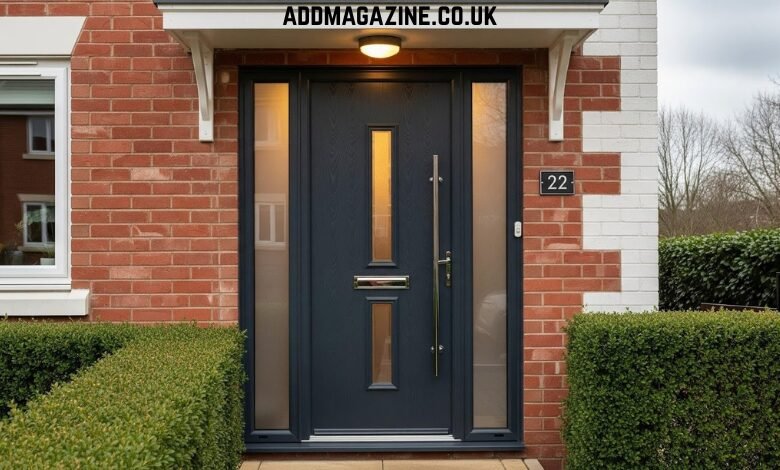
Doors are among the most common entry points, yet their role in home security is sometimes underestimated. Homeowners may focus on appearance and overlook structural integrity, locking strength, or frame quality. Front doors set the tone for the property and should balance visual appeal with resistance to forced entry. Back doors, often hidden from view, require equal attention. Reinforced cores, multi-point locks, and tight tolerances improve safety without altering outward design.
Patio Doors And Large Openings
Patio doors introduce light and connection to outdoor spaces, but their size can make them feel vulnerable. Modern sliding and folding systems now include robust locking mechanisms that secure multiple points along the frame. Choosing security-designed systems ensures that large glazed areas do not become weak points. Frames with internal reinforcement and laminated glazing add strength while maintaining transparency.
Windows As Part Of The System
Windows are frequently treated as separate from overall security planning. Older frames, worn seals, or simple catches can undermine otherwise strong protection. Modern window designs integrate locking systems that operate smoothly and discreetly. Slim frames preserve sightlines, while improved glazing resists impact. When windows are considered alongside doors, the home benefits from consistent protection rather than isolated upgrades.
Garage Doors And Secondary Access
Garage doors are often treated only for convenience or appearance. Yet garages can provide direct access into the home, making them a critical part of security planning. Insulated, reinforced garage doors with secure locking reduce this risk. Designs that match the exterior finish help them blend in, ensuring security does not draw unwanted attention.
Roofs And Upper Access Points
Security discussions rarely include roofs, yet they can provide access to specific properties. Flat roofs, extensions, or garages adjacent to upper floors create opportunities for entry if overlooked. Securing roof access points, reinforcing skylights, and carefully placing fixtures reduces this risk. These measures are subtle but effective, protecting areas often ignored during renovation or design.
Sheds And Outbuildings
Garden sheds and outbuildings store tools, bikes, and equipment that could be used to gain access to the main property. Weak security here indirectly increases risk. Matching the security level of outbuildings to the main house helps prevent this chain reaction. Simple upgrades such as stronger doors, concealed hinges, and secure locks make a difference without changing appearance.
Materials That Support Design Goals
Material choice plays a significant role in blending safety with style. Aluminum, composite materials, and engineered timber offer strength with clean finishes. Aluminium external doors, for example, provide rigidity and slim profiles that suit modern homes. Their durability supports long-term performance while maintaining a refined look that complements contemporary architecture.
Avoiding Piecemeal Decisions
Security works best as a system. Upgrading one element while leaving others untouched creates an imbalance. Considering all access points together ensures consistent protection. This approach also supports visual harmony, as finishes and proportions can be coordinated across the property.
Living With Security Daily
Security features should support everyday life rather than complicate it. Smooth operation, quiet closing, and intuitive hardware encourage correct use. When protection feels natural, it is more likely to be used properly. This usability is as important as strength in maintaining long-term safety.
Design And Safety Working Together
Modern home design no longer requires compromise between style and security. Thoughtful choices allow protection to integrate seamlessly into interiors and exteriors. By addressing often overlooked elements such as doors, windows, garage access, roofs, and sheds, homeowners create a layered defence that feels cohesive. With materials like aluminium external doors leading the way, safety becomes part of the design language rather than an afterthought.
Building Confidence Into The Home
A well-designed home should feel secure without feeling closed off. Integrating safety features early ensures they enhance rather than interrupt the aesthetic. When protection is woven into the structure and layout, the result is a home that looks confident and feels safe. That balance supports both modern design ambitions and everyday peace of mind.