
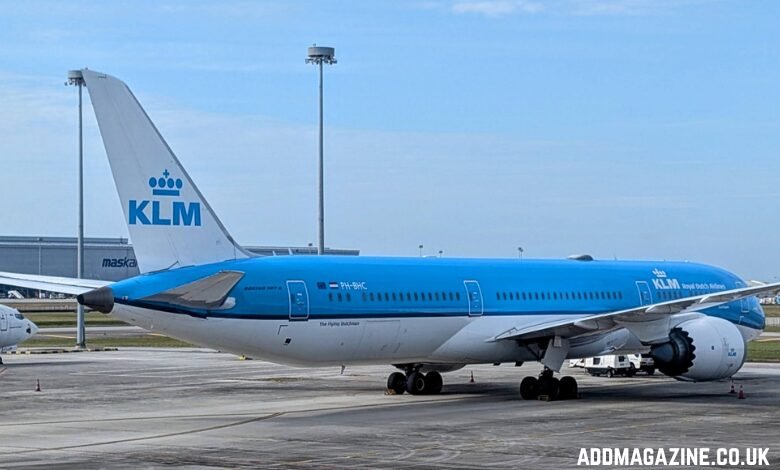
On January 15, 2026, severe weather conditions across Europe triggered a wave of flight cancellations that impacted multiple airlines, with KLM and British Airways being among the most affected. Thousands of travelers were left stranded, experiencing flight disruptions that spread across major European hubs and long-haul routes to Asia and the Americas. This article takes an in-depth look at the flight cancellations affecting these two major airlines, detailing the challenges faced by passengers, the airlines’ responses, and the broader implications of such disruptions.
The Scope of the Disruptions
On January 15, 2026, Europe experienced an intense weather system characterized by heavy snowfall, strong winds, and low visibility, which severely affected flight schedules. Major European airlines, including KLM and British Airways, saw large-scale cancellations, particularly from airports in the UK, Netherlands, and Germany. Both airlines struggled to maintain their schedules, with key hubs such as London Heathrow (LHR), Amsterdam Schiphol (AMS), and Berlin Brandenburg (BER) facing the brunt of the disruptions.
British Airways, one of the busiest airlines in Europe, had to cancel several flights departing from London Heathrow due to poor visibility and adverse weather conditions. Passengers were left scrambling to find alternative flights, often experiencing long delays and extended waits at the airport. KLM, the Dutch flag carrier, was similarly impacted, particularly with flights between Amsterdam and several major European cities, including Berlin, London, and Paris, all of which were grounded due to poor weather conditions at both ends of the routes.
Cancellations at Major Airports
January 15, 2026: British Airways Disruptions
British Airways, known for its extensive network of international flights, was hit particularly hard on January 15, 2026. Many of the airline’s flights from London Heathrow (LHR) to major destinations such as New York, Paris, and Madrid were canceled or delayed due to the weather. The airline’s operations were further complicated by the large number of rebookings and re-routing requests from passengers.
Notable cancellations from British Airways included:
- London Heathrow to New York (JFK): This critical transatlantic route faced cancellations due to fog and poor weather conditions over the Atlantic. Affected passengers faced long delays at both Heathrow and Newark Liberty (KEWR).
- London Heathrow to Paris (CDG): This popular short-haul flight between the UK and France was canceled, disrupting travel for both leisure and business travelers.
- London Heathrow to Madrid (MAD): A highly traveled route for both tourism and business, flights between Heathrow and Madrid were significantly delayed or canceled on January 15.
Passengers affected by these cancellations found themselves in a stressful situation, as many were not informed of their flight status until they had already arrived at the airport, leaving them with limited options.
KLM’s Response: January 15, 2026
KLM, headquartered at Amsterdam Schiphol, also faced major disruptions, particularly affecting flights within Europe. On January 15, 2026, flights from Amsterdam to Berlin, London, and Paris were grounded due to severe weather. Passengers waiting for flights at Schiphol experienced long queues as airlines scrambled to rebook passengers.
KLM’s cancellations included:
- Amsterdam Schiphol to Berlin (BER): Several flights from Amsterdam to Berlin were canceled as weather conditions in both cities caused significant delays.
- Amsterdam Schiphol to London Heathrow (LHR): A major route for both business and leisure travelers, the Amsterdam to London flight was canceled several times throughout the day due to snowstorms at Schiphol and heavy fog in London.
- Amsterdam Schiphol to Dubai (DXB): Long-haul flights from Amsterdam to Dubai were also delayed or canceled, as Schiphol struggled to maintain normal operations under adverse weather conditions.
Passengers flying on these routes were faced with difficult decisions, as many had to wait for days to secure new flights. The airline provided compensation in the form of food vouchers and hotel stays for those stranded overnight, but the sheer number of affected travelers led to a backlog that was difficult to manage.
Impact on Passengers and Tourism
The impact of these flight cancellations on passengers was profound. Many travelers were left stranded at airports for hours or even days. Some passengers were forced to miss important connections, meetings, and events, including business travelers heading to key cities like New York, Paris, and Madrid. For many, the lack of timely communication from airlines added to the confusion and frustration.
Tourism also suffered as a result of these disruptions. Popular tourist destinations like Barcelona, Madrid, and Berlin, which rely heavily on international visitors, saw a reduction in tourist numbers due to flight cancellations. These cities, particularly in Spain, experienced fewer visitors, which directly affected the local economy. Hotels, restaurants, and tour operators who rely on a steady stream of international visitors reported a decrease in business.
The Role of Technology in Managing the Disruptions
Both British Airways and KLM utilized technology to help manage the situation. Mobile apps, websites, and automated systems were deployed to notify passengers about cancellations and delays. These systems allowed travelers to rebook flights and track their status in real-time. However, despite these technological efforts, the sheer scale of the disruptions meant that the systems were overwhelmed, and passengers often had to wait for extended periods to receive assistance.
On January 15, British Airways and KLM made use of their mobile apps to send notifications to affected passengers. However, many travelers reported that they did not receive timely updates about the status of their flights, which contributed to the chaos. The airline staff at airports also faced challenges as they were inundated with rebooking requests and customer inquiries.
For airlines, investing in more robust technology to handle flight disruptions is essential for improving passenger satisfaction during such events. Enhanced communication systems, such as automated rebooking features, could streamline the process and make the experience less stressful for passengers.
Financial Impact on Airlines
The financial implications of these cancellations for British Airways and KLM were significant. The airlines incurred costs not only for rebooking and compensating passengers but also for the additional operational expenses associated with managing the disruption. Costs for hotel accommodations, meals, and other passenger services added to the overall burden on the airlines.
In addition, both British Airways and KLM lost revenue due to the number of flights that were grounded. These cancellations have a direct impact on the airlines’ bottom lines, especially when they involve popular and high-revenue routes. The longer the delays and cancellations continued, the greater the financial toll on the airlines.
For travelers, the cancellations often resulted in additional costs, such as hotel stays, meals, and missed connections. Although airlines like British Airways and KLM provided compensation in some cases, the process of securing reimbursement or arranging alternative travel plans added to the frustration.
Passenger Rights and Compensation
In Europe, passengers are protected under EU Regulation 261/2004, which mandates compensation for long delays and cancellations. This regulation entitles passengers to compensation in cases where flights are canceled or delayed for more than three hours. Compensation can include financial reimbursement, meal vouchers, and hotel accommodations, depending on the length of the delay and the circumstances surrounding the cancellation.
On January 15, both British Airways and KLM were required to comply with these regulations, offering affected passengers appropriate compensation. However, many travelers reported difficulty in navigating the compensation process, as they struggled to get clear information from the airlines about their entitlements.
Airlines are also obligated to assist passengers with finding alternative flights or accommodations. However, due to the high volume of cancellations and rebookings, it took time for both airlines to accommodate all affected passengers. In some cases, passengers were forced to make their own arrangements, which further complicated the situation.
Impact on the Broader Aviation Industry
The disruptions experienced by KLM and British Airways on January 15, 2026, serve as a stark reminder of the vulnerabilities in the global aviation industry. Weather-related flight cancellations are not a new phenomenon, but their growing frequency and intensity underline the need for the industry to evolve. Airlines and airports must adapt to unpredictable weather patterns and increasing demand for air travel. The ripple effect of these disruptions is felt not only by passengers but also by the broader ecosystem surrounding air travel.
1. Impact on Airline Partnerships and Alliances
Major airlines like British Airways and KLM are part of larger airline alliances, such as the Oneworld and SkyTeam alliances. These partnerships allow airlines to share resources, coordinate schedules, and offer passengers greater connectivity. However, severe weather disruptions can strain these partnerships. For example, when KLM cancels flights to destinations in Asia due to weather, British Airways, as part of the same global network, may experience indirect consequences, such as disruptions to connecting flights or delays in inter-airline collaborations.
The challenges faced by KLM and British Airways in handling these disruptions underscore the importance of robust contingency planning among airline alliances. Coordinated efforts between airlines within an alliance can ensure smoother rebookings, alternative flight arrangements, and timely updates for passengers. However, with airlines often competing for resources and passengers, these collaborative efforts can sometimes fall short when under extreme pressure.
2. Increased Demand for Air Travel and Limited Airport Capacity
The growing demand for air travel, combined with disruptions caused by weather, has highlighted the limitations of airport infrastructure. On January 15, 2026, airports like London Heathrow, Amsterdam Schiphol, and Berlin Brandenburg were already operating at near full capacity. Weather disruptions caused knock-on delays and cancellations, resulting in overcrowding in terminals and significant logistical challenges.
While many of the major airports in Europe are equipped with advanced technologies, they were still overwhelmed by the volume of passengers affected by cancellations. Airports must invest in expanding capacity, particularly in terms of gates, lounges, and passenger services, to accommodate surges in demand and mitigate the impacts of extreme weather events.
Increased collaboration between airlines, airport authorities, and local governments is needed to strengthen airport infrastructure and improve real-time response capabilities. Additionally, innovative technologies like biometrics for faster check-ins and better baggage handling systems could help alleviate the congestion and improve the overall passenger experience during disruptions.
3. Environmental Concerns and Sustainability in Air Travel
As weather-related disruptions become more frequent, the aviation industry’s carbon footprint remains a concern. The carbon emissions produced by flight cancellations, rebookings, and rerouted flights contribute to the environmental impact of air travel. Moreover, airlines are under increasing pressure to align their operations with sustainability goals, as the aviation industry faces growing scrutiny over its environmental impact.
On January 15, 2026, as British Airways and KLM dealt with large numbers of cancellations, airlines continued to emit carbon while managing logistical disruptions. While airlines are taking steps to reduce their overall environmental impact, such as investing in more fuel-efficient aircraft, reducing single-use plastics, and offsetting emissions, weather disruptions still present a challenge to sustainability efforts.
Moving forward, the aviation industry needs to explore more sustainable ways to manage disruptions. This could include more efficient flight scheduling, better use of alternative energy sources, and the development of technologies to reduce the carbon footprint of ground operations, including rebooking and baggage handling processes. Additionally, airlines could work on reducing their reliance on short-haul flights by promoting high-speed rail travel for domestic routes, which could help ease congestion and reduce emissions.
The Role of Government Regulations and Support
1. Strengthening Passenger Rights
In response to the January 15 disruptions, passenger rights took center stage. Under European Union Regulation EC 261/2004, passengers are entitled to compensation when their flights are canceled or delayed for more than three hours, depending on the circumstances. This regulation also mandates that passengers be provided with meals, accommodations, and the option for a refund or rebooking.
However, despite these regulations, passengers often report delays in processing compensation claims, lack of clear communication from airlines, and challenges in securing rebookings or accommodations. Governments must ensure that airlines are not only adhering to these regulations but also providing transparent and timely communication to affected passengers. Airlines could improve their approach by offering proactive updates and streamlining the compensation process.
2. Coordination Between Airports and Airlines During Disruptions
Governments, through regulatory bodies such as the European Union Aviation Safety Agency (EASA), can also play a role in helping airlines manage cancellations and disruptions. By facilitating better coordination between airports, airlines, and weather services, government authorities can ensure that decisions regarding cancellations and flight rebookings are made more efficiently. This could include real-time weather data sharing, improved contingency measures for rerouting passengers, and increased funding for airport infrastructure that can withstand extreme weather conditions.
Moreover, governments could offer financial support or incentives to help airlines invest in better infrastructure and technology to prevent the cascading effects of cancellations. This could include funding for air traffic control modernization, improving baggage handling systems, and creating more flexible flight schedules to accommodate sudden changes.
Preparing for the Future: Moving Beyond Disruption
As weather-related disruptions to air travel become more frequent, it is crucial that both airlines and passengers are better prepared. While it is impossible to predict every weather event, there are strategies and solutions that can minimize the impact of such disruptions on both airlines and passengers.
1. Improving Passenger Communication
One of the most significant complaints from travelers during the January 15 disruptions was the lack of timely and clear communication. Passengers were often left in the dark about the status of their flights and rebooking options. Airlines need to improve their communication channels, especially during disruptions, to provide passengers with up-to-date information and clear instructions on what to do next. This could include using social media platforms, airline apps, and automated systems to push updates in real time.
Moreover, airlines should consider expanding their customer service teams at airports during large disruptions. Staffing levels should be increased to handle the influx of inquiries from passengers who are stranded or rebooking. This proactive approach will help mitigate frustration and provide smoother operations during high-stress events.
2. Investing in Infrastructure and Automation
Airports and airlines should continue to invest in infrastructure upgrades that can help mitigate the effects of extreme weather conditions. This includes better weather prediction systems, improved runway and gate access during adverse conditions, and the introduction of automated systems for baggage handling, check-ins, and flight rescheduling. Automation could play a key role in improving the efficiency of air travel, especially during disruptions when quick decisions and efficient processes are needed to move passengers through airports smoothly.
Additionally, airports could explore the use of artificial intelligence (AI) to predict and mitigate delays and cancellations based on real-time weather data, flight patterns, and historical trends. By utilizing AI and big data, airports and airlines can gain a clearer understanding of potential disruptions, enabling them to act faster and more efficiently when delays occur.
3. Enhancing Weather Resilience in Air Travel
Lastly, the aviation industry must take long-term steps to address the growing impact of extreme weather. Investments in weather-resilient infrastructure, such as improved runway drainage systems, better de-icing facilities, and more robust airport buildings, will be crucial in minimizing the disruptions caused by unpredictable weather patterns. This will require collaboration between airlines, airports, and government bodies to ensure that airports are prepared for a wide range of weather conditions.
Looking Forward: Improving Preparedness for Future Disruptions
The January 15 weather disruptions highlight the importance of better preparedness in the aviation industry. Both British Airways and KLM, along with other major airlines, must work to improve their contingency plans for handling large-scale disruptions. Enhanced communication, more robust customer service systems, and better use of technology can help airlines manage future weather-related cancellations more effectively.
Airlines should also consider investing in better forecasting systems and real-time updates for passengers. With the increasing unpredictability of weather events, airlines can no longer afford to rely on reactive measures. A proactive approach, where passengers are informed well in advance of potential disruptions, can help mitigate the frustration and stress that often accompanies cancellations.
Conclusion
On January 15, 2026, KLM and British Airways were significantly impacted by severe weather conditions, which led to widespread flight cancellations and disruptions. Thousands of passengers were affected, facing long delays, missed connections, and limited communication from the airlines. The broader tourism industry also suffered, with key destinations across Europe seeing fewer international visitors.
While technology played a key role in managing the situation, airlines must continue to improve their response to disruptions, focusing on proactive communication, better customer service, and enhanced contingency planning. As weather-related disruptions become more frequent, the aviation industry must work together to ensure that passengers are better prepared for future challenges.