Being beautiful in the fashion industry is important, but not enough. If you want to build a successful fashion career, knowing how to make a modeling portfolio is crucial. Agencies don’t look for pretty faces; they look for bold and powerful personalities that can successfully transmit messages of particular brands. Your portfolio is your landmark, a helpful tool that can show how you present yourself through the prism of visual creativity. The right selection can open doors even before you have big jobs. It proves you understand the industry standard: clean presentation, believable results, and consistency.
In the following sections, we explain how to create a modeling portfolio that will show your face, your lines, your range, and your professionalism. You will learn what industry pros actually pay attention to, which shots earn trust, and which choices quietly hurt your chances. You will also get practical, low-stress steps you can use to stand out and succeed in the fashion industry.
Tip 1: The Core Set Agencies Notice First
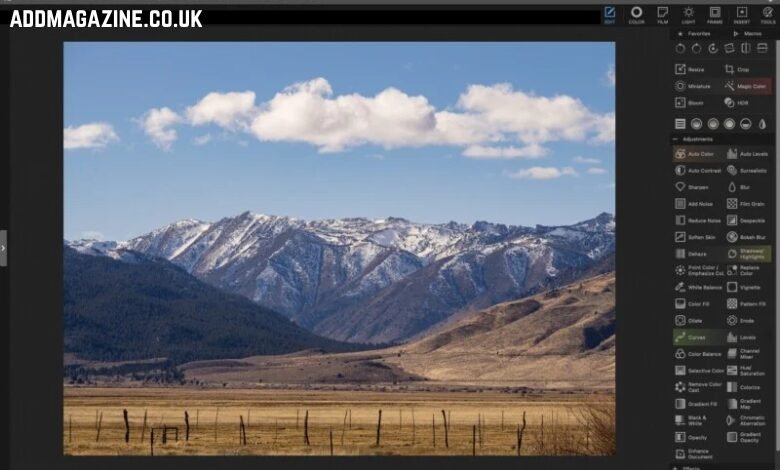
Understanding how to create a fashion portfolio begins with positioning yourself as easy to place. Keep your photos clear, up-to-date. They should show your face and proportions without distortions. Agencies prefer neutral light, clean styling, and straightforward angles. Keep makeup minimal and skip heavy filters in your portrait photo editing software. Don’t make your portfolio too big, because it will look random and unintentional. 8-15 carefully curated shots will work best.
Tip 2: Beginner Model Portfolio Poses That Look Bookable
Being in good shape matters, but agencies don’t want unnatural poses models use to demonstrate their flexibility or equilibrium skills. They want control: clean posture, calm hands, and expressions that feel real. Use simple and reliable patterns you can easily repeat across the whole set. For instance:
- Neutral stance, weight shift: feet grounded, one hip relaxed, shoulders down. It reads as confident without trying and prevents body distortions, so you will spend much less time on fashion photo retouching.
- Three-quarter turn: rotate your body slightly, then bring your chin forward and down a touch. It sharpens the jawline and keeps the neck long.
- Walking frame: take slow steps toward the camera, eyes engaged. Shoot in short bursts to catch the natural in-between moments.
- Seated pose with length: sit on the edge, hinge forward slightly from the hips, keep the spine tall. It avoids slouching and keeps lines elegant.
- Hands with purpose: give them a job (adjust a collar, touch an earring, tuck hair behind the ear). Random hands are what make images look amateur.
Tip 3: Wardrobe and Grooming
Many models try to look expensive in their portfolio shots, and this common mistake does not allow them to get hired. Agencies want you to look clear, current, and easy to cast. If a viewer remembers the neon jacket more than your expression, then the strategy did not work. Styling choices should highlight your personality, not overpower it.
Ensure your clothes fit your body and highlight its shape. Busy patterns, recognizable logos, and heavy layers should be avoided if your lane does not ask for them specifically. Scuffed sneakers ruin otherwise strong full-length shots, so your shoes should always stay clean.
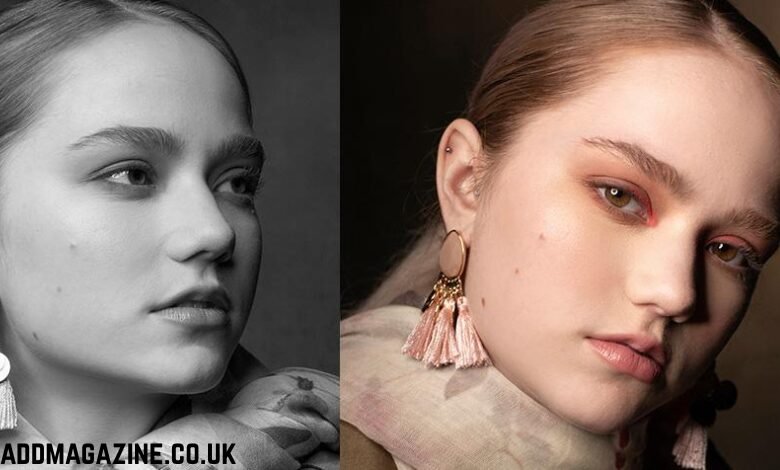
Arrive with tidy nails, smooth skin prep, and hair that can shift between neat and slightly undone. If you wear makeup, keep it light for your clean set, then add a stronger look later. Usually, it is a heavy accent on your lips or eyes.
Tip 4: The Curated Set
Editing your portfolio does not mean heavy retouching or flashy effects. It is about choosing, ordering, and presenting images for the booker to understand your personality. A portfolio is a marketing offer. You should establish your personal brand, define what you “sell”, and present yourself accordingly. Capture one clean look first, then build complexity (styling, emotion, location) in small steps. Here is an effective structure:
- The strongest close-up. Ensure the eyes are the main focal point, the face is clean, and nothing distracts the viewers. A subtle fashion image editing can help with exposure, color inconsistencies, and removing background distractions, but avoid reshaping your face and turning your skin into plastic.
- A full-length. Agencies want to see your proportions and posture immediately.
- Lane shots. Pick a direction you can be booked for (fashion, beauty, commercial, etc.). Take 3-6 professional-grade styled shots that will represent you best in this direction.
- A memorable frame. End your portfolio with something unusual and creative. This photo should grab attention and differ from the rest, but the unique personality you are trying to “sell” should remain noticeable.
A quick quality test: if you hide the outfit, do the photos still look like the same person in the same career lane? If not, your photo doesn’t fit.
Conclusion
A model portfolio doesn’t need to be huge to work. It needs to be clear, current, and consistent. Treat your portfolio like a living tool. Update your clean shots when your look changes, replace weaker images as you grow, and keep your presentation simple so your strengths stay front and center. This approach will keep you bookable and increase your chances for success.