
Good vision is essential for daily activities such as reading, working, driving, and using digital devices. As vision needs change over time, many people rely on reading glasses or prescription glasses to maintain clear and comfortable sight. While both types of eyewear are designed to improve vision, they serve different purposes and offer unique benefits depending on an individual’s eye health and lifestyle.
Reading glasses are specifically designed to help people focus on nearby objects. They are commonly used by adults who experience age-related vision changes, a condition known as presbyopia. This natural process typically begins around the age of 40, making it more difficult to read small print, use smartphones, or perform close-up tasks. Reading glasses magnify text and nearby objects, reducing eye strain and improving visual clarity.
One of the biggest advantages of reading glasses is their simplicity. They are available in various magnification strengths and can often be purchased without a prescription. For individuals who only need assistance with close-up vision, reading glasses provide an affordable and convenient solution. They are especially useful for reading books, working on crafts, using computers, and performing detailed tasks that require precise focus.
Prescription glasses, on the other hand, are customized to address specific vision correction needs. An eye care professional determines the exact prescription based on an eye examination. Prescription glasses can correct a variety of vision conditions, including nearsightedness, farsightedness, astigmatism, and presbyopia. Unlike standard reading glasses, prescription lenses are tailored to each individual’s unique visual requirements, providing optimal clarity and comfort.
Modern prescription glasses are available in numerous lens types to accommodate different lifestyles. Single-vision lenses correct one field of vision, while bifocal and progressive lenses provide multiple viewing zones for near, intermediate, and distance vision. These advanced options eliminate the need to switch between multiple pairs of glasses, making daily life more convenient.
In addition to vision correction, today’s prescription glasses offer a range of lens enhancements. Blue-light filtering lenses help reduce digital eye strain caused by prolonged screen use, while anti-reflective coatings improve visual comfort by minimizing glare. Scratch-resistant coatings and UV protection further enhance durability and eye health, making prescription glasses a valuable long-term investment.
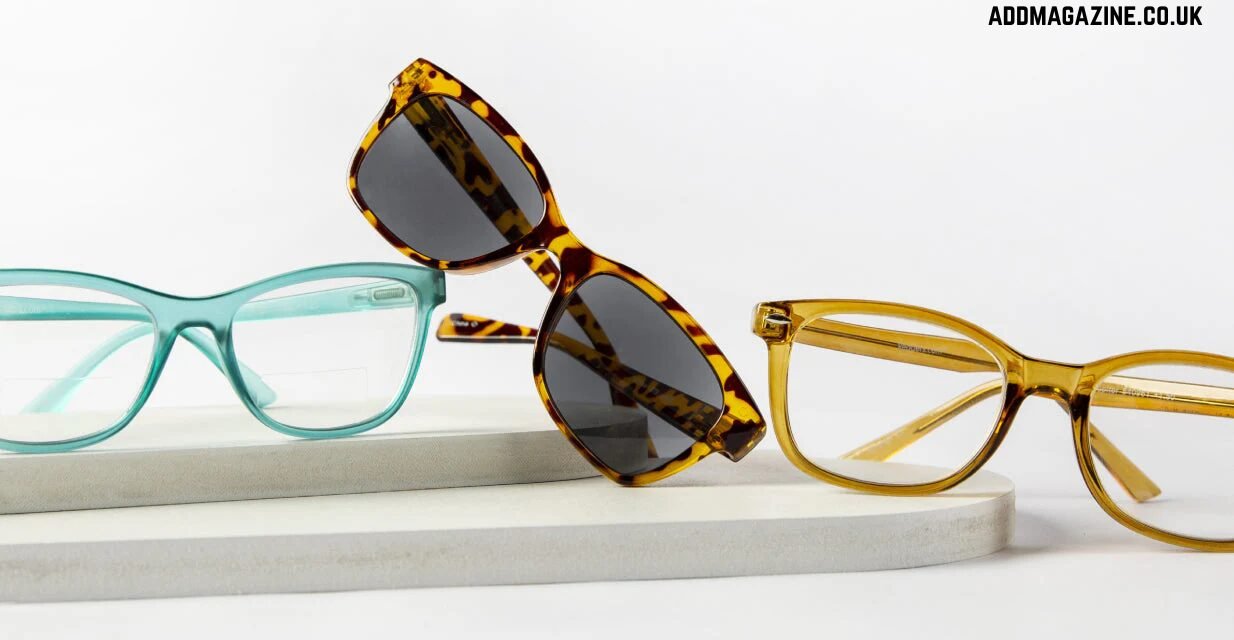
Fashion has also become an important aspect of eyewear. Both reading glasses and prescription glasses are available in a wide variety of frame styles, colors, and materials. From classic rectangular frames and elegant cat-eye designs to modern round and rimless styles, wearers can find eyewear that complements their personality and face shape. This combination of functionality and style allows individuals to feel confident while enjoying clear vision.
When choosing between reading glasses and prescription glasses, it is important to consider your specific vision needs. If you only struggle with close-up tasks, reading glasses may be sufficient. However, if you experience difficulties with distance vision or multiple vision issues, prescription glasses are often the better choice.
In conclusion, reading glasses and prescription glasses play an important role in maintaining clear and comfortable vision. Reading glasses provide a simple solution for close-up tasks, while prescription glasses offer customized correction for a wide range of visual conditions. By selecting the right eyewear, individuals can improve their daily comfort, protect their eye health, and enjoy sharper vision in every aspect of life.