
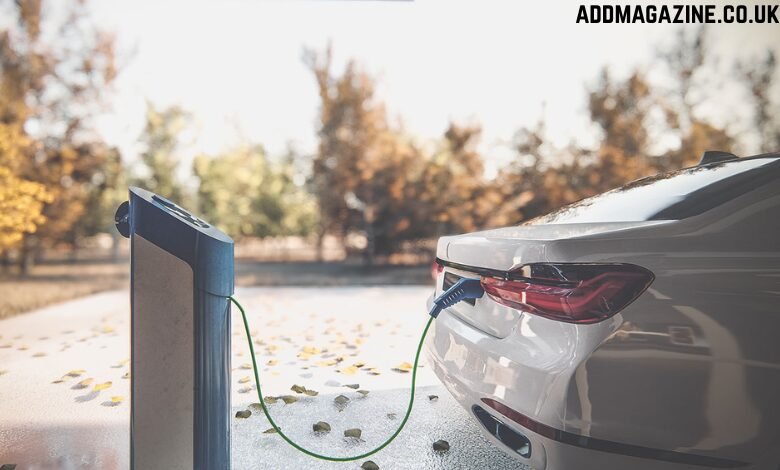
Electric vehicles have transformed the automotive market, but their ongoing costs remain a difficult puzzle for many owners. While the initial purchase price of an EV often grabs headlines, the less discussed maintenance expenses can significantly affect the total cost of ownership. Charging infrastructure, particularly cables and connectors, represents an essential component that requires regular attention and occasional replacement.
The reality of EV upkeep goes beyond the visible savings on petrol. Charging cables, especially for popular models like Tesla, experience wear and tear through daily use, exposure to weather conditions, and physical stress from handling. These important components often last several years before showing signs of deterioration that might affect charging efficiency or safety.
UK drivers experience particular challenges with charging infrastructure maintenance, as climate conditions can speed up cable degradation. The growing network of public charging points has improved accessibility, but home charging remains the preferred option for most owners, placing extra emphasis on understanding cable maintenance and replacement costs. This often neglected aspect of EV ownership deserves closer attention for anyone considering the long-term economics of electric motoring.
The True Expense of EV Charging Infrastructure
Setting up a home charging system requires careful planning. The initial cost of charging equipment varies widely. Features like smart connectivity or faster charging can push prices from £500 to £1,200. Property owners should compare models based on actual needs rather than extras.
UK electricity tariffs directly affect EV charging costs. Standard rates are typically around 28p per kWh. Specialist off-peak tariffs can offer lower overnight rates, sometimes between 7.5p and 15p per kWh. An owner with a 60kWh battery charging at 10p per kWh would pay about £6 for a full charge.
Managing installation expenses begins with gathering detailed quotes from approved installers. This allows direct comparison of options. Homeowners save on extra costs when quotes cover all labour, cabling, certification, and upgrades.
Charging equipment in British weather conditions is generally expected to last several years for outdoor units, and even longer for indoor installations. Cables exposed to UK elements may need replacement more frequently due to moisture damage and temperature changes.
Hidden Costs Beyond Hardware
The ev charger extension cable becomes necessary where standard cables don’t reach parking spaces. Safe extensions must meet strict safety standards. Improper choices risk overheating or reduced charging efficiency.
These problems become worse in properties with driveways far from the main supply. Undersized or uncertified extension cables can overheat during charging sessions. UK law requires all EV charging extensions to carry proper accreditation.
For properties needing regular extensions due to layout, investing in a relocated professional charging point reduces repeated expenses. This solution lowers accident risks over years of EV use.
Common Mistakes and Practical Solutions
Many new EV users do not consider the expense of upgrading electrical systems. Older homes often need dedicated circuits or fuseboard upgrades for regular charging. Rushing installation can lead to unexpected costs or equipment problems.
Property owners should schedule electrical assessments before purchase. Installers can recommend the right amperage and safety devices for current and future needs. Detailed quotes should cover all labour, cables, and extra parts.
Cable Quality and Safety Considerations
UK regulations require all EV charging equipment to meet strict safety standards. The IEC 61851 standard governs the overall charging system. IEC 62196 covers plugs, socket-outlets, and connectors. These ensure charging equipment handles high currents safely.
Cable quality directly affects charging performance. Higher-quality tesla charging cables use thicker copper conductors and better insulation. This allows more current with less resistance, supporting faster charging and reducing heat loss.
Weather Resistance and Outdoor Reliability
Weather resistance matters for UK charging installations due to frequent rain and dampness. IP ratings indicate how well cables resist water and particles. An IP44 rating means the cable withstands splashes and dust, important during rainfall.
For areas with direct rain exposure, IP65 protection makes sense. These cables remain reliable even around strong water jets and heavy dust. Always check the rating printed on cables before use.
Regular checks help extend cable life. Look for cracks, cuts, or water inside connectors. Store portable connectors on wall hooks rather than on the ground. Avoid leaving cables in puddles or freezing conditions.
Safety When Using Extensions and Checking Certification
Extending an EV charging cable affects both safety and performance in several ways. Cable extensions can increase electrical resistance, which may lower charging speed and generate additional heat, potentially triggering safety cutoffs in quality chargers.
UK safety regulations require extensions to maintain the same current rating as original cables. Extensions must also feature proper insulation rated for outdoor use. Using the wrong extensions can void vehicle warranties and insurance coverage in case of incidents.
Checking for UKCA or CE markings is essential. These symbols confirm the product meets UK and European requirements. Some drivers have faced rejected insurance claims after inspections found missing certifications.
Grid Integration Challenges for UK EV Owners
Managing Tariffs and Peak Demand
The UK EV charging market continues to grow quickly. This creates both opportunities and difficulties for the national grid. Some regions face capacity limits that restrict charging speeds during peak periods.
Smart charging technologies help handle these issues. They also respond to grid signals, pausing charging when demand is high.
Public charging infrastructure is expanding rapidly across the UK. Industry forecasts suggest that the number of public charging points will increase significantly by the end of 2025. This growth helps address range anxiety but creates new grid management challenges.
Technical Standards and Smart Charging Evolution
The UK is adopting new technical standards for charging infrastructure. This allows vehicles to begin charging automatically upon connection.
Public charging points will likely need this technology soon. EV owners should consult with installers about smart charger compatibility. Ensuring firmware updates are supported prevents future issues.
Long-term Financial Planning for EV Infrastructure
Being prepared for long-term costs means being aware of replacement cycles. A typical home charging unit can last many years. Cables and connectors may need more frequent replacement. UK EV drivers should budget for equipment maintenance over time.
Warranty terms vary among manufacturers. Most home charging units include three-year warranties. Premium models may offer five-year coverage. Cable warranties typically range from one to three years.
Strategies for Cost Reduction and Maximising Investment
Reduce maintenance costs through scheduled care and well-timed buying. Select charging cables with clear approval documents to prevent expensive replacements. Annual equipment checks by certified electricians can cost a modest amount but help catch problems early.
Proper cable care includes cleaning contacts regularly and storing them correctly. Keep cables away from moisture and direct sunlight. When warranty issues arise, contact manufacturers promptly with purchase documentation.
Property Value Effects
Home charging equipment can increase property value. Homes with modern EV charging facilities may sell faster than similar properties without charging infrastructure. When planning installations, consider both ownership costs and property returns.
Equipment installed to the latest UK standards may help properties stand out during sales. This appeals to the growing number of electric car owners in the market.