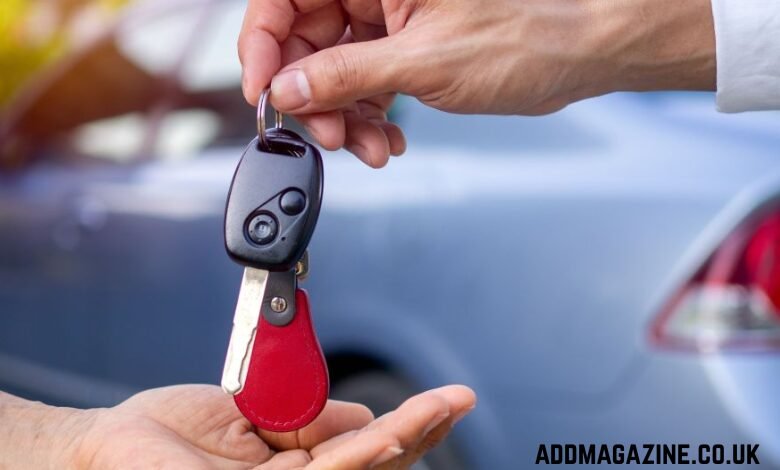
Securing your first car is an exciting milestone, but navigating the used car finance market can be daunting. Unlike buying outright, financing involves a long-term commitment that impacts your budget and credit profile.
For new UK drivers, or those new to finance agreements, understanding the key principles is vital to ensuring a smooth, affordable, and successful purchase. So, let’s get into it and discover clear, practical steps that will help you make confident finance decisions from the very start.
Evaluate Your Budget With a Fine-Tooth Comb
Before you look at lenders, you need a firm idea of how much you can comfortably pay each month. Think about your income, your usual bills and any other commitments that affect how much room you have in your budget. This gives you a realistic limit and helps you look at used cars that sit within a safe range.
When you start comparing car finance for used cars, it’s a good idea to use an online tool (like a calculator) to give you a realistic view of how the interest rate, term length and deposit shape your total cost. It helps to leave spare space in your budget so slight changes in income do not create pressure later.
Check Your Credit Profile Early
Your credit profile plays a central role in how lenders view your application. It shows your past repayment behaviour and helps them decide the rate you will receive. Checking it early gives you time to correct any errors and update outdated details that might affect your chances of securing favourable terms.
Simple habits can strengthen your position. Make sure your current address is on the electoral roll and keep all active accounts paid on time. Reducing large credit card balances can also help you appear more stable, which improves how lenders assess your affordability.
Compare Finance Types With Care
Your first finance agreement should match how you intend to use the car. HP, or Hire Purchase, spreads the full cost across fixed monthly payments, and once the balance is cleared you own the car outright. This suits drivers who want predictable payments and long term ownership.
PCP, or Personal Contract Purchase, usually offers lower monthly payments, but you may face a larger optional final payment if you want to own the car at the end. This structure appeals to drivers who prefer flexibility and want the option to change cars more often. Your driving habits, mileage and future plans help you decide which path fits your needs.
Choose a Car That Fits Your Needs
Your choice of second-hand car influences how manageable the payments are for you each month. A car with strong fuel economy and reliable performance reduces ongoing costs, which helps you stay under budget and set a bit of money aside for any unexpected expenses that might pop up later.
Insurance and tax should also match your financial comfort level so you avoid stretching your monthly allowance. Researching typical running costs and common issues for specific models helps you avoid unexpected repair bills. This ensures you choose a car that supports your daily use, rather than creating extra strain.
Final Notes
Financing your first used car becomes much simpler when you break the process into clear steps. You should build a sensible budget, understand your credit profile, explore finance types with care and choose a reliable car that supports your needs.
With this approach, you can move into your first agreement with confidence, knowing your choice supports both your driving habits and your financial comfort. This foundation helps you approach future car decisions with greater assurance.