In the logistics and supply chain industry, efficient warehouse racking is the backbone of successful operations. As global supply chains expand, the demand for robust, reliable, and space-saving storage systems has never been higher. According to recent industry reports, optimized warehouse layouts can increase overall operational efficiency by up to 25%. Finding the right heavy-duty storage solution allows logistics managers to maximize vertical space, improve inventory rotation, and ensure the safety of warehouse personnel. Whether you are dealing with fast-moving consumer goods or large, bulky industrial equipment, this guide explores the best storage solutions to streamline your facility.
1. Selective Pallet Racking
Selective pallet racking is the most common heavy-duty storage system used in logistics globally. It offers 100% direct access to every pallet in the system, making it incredibly versatile for warehouses managing a wide variety of SKUs. By utilizing vertical space, facilities can significantly increase their storage capacity without expanding their physical footprint.
2. Drive-In Racking Systems
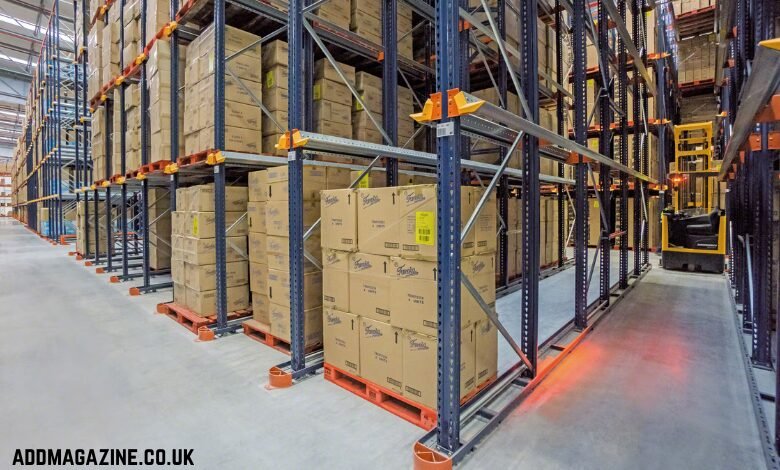
For operations that store large quantities of identical products, drive-in racking systems provide exceptional storage density. This system allows forklifts to drive directly into the storage lanes to place or retrieve pallets. Because it operates on a Last-In, First-Out (LIFO) inventory management principle, it eliminates the need for multiple operating aisles, maximizing floor space utilization by up to 80%.
Tip: Use drive-in racking for non-perishable goods or bulk materials where strict stock rotation is not a critical requirement.
3. Cantilever Racking
Logistics centers frequently handle oddly shaped or exceptionally long items, such as timber, steel pipes, or large furniture. Standard pallet racks cannot accommodate these loads safely. Cantilever racking features sturdy structural columns with horizontal arms projecting outward, providing an open front that makes loading and unloading bulky materials simple and safe.
Tip: When installing cantilever systems, ensure that the arm spacing is specifically calculated to prevent heavy materials from sagging or warping over time.
4. Push-Back Rack Systems
Push-back racking is an ingenious high-density storage solution that balances space utilization with better accessibility than drive-in systems. When a new pallet is loaded, it pushes the existing pallet backward. This system typically stores pallets two to six deep.
Tip: Invest in thorough training for your forklift operators, as the dynamic nature of push-back carts requires precise loading and unloading speeds to maintain safety.
5. Pallet Flow Racking
Operating on a First-In, First-Out (FIFO) basis, pallet flow racking utilizes elevated rails equipped with gravity rollers. Pallets are loaded at the back of the system and naturally glide to the front picking face. This solution is ideal for fast-paced logistics centers dealing with goods that have expiration dates, such as food, beverages, and pharmaceuticals.
Tip: Regularly inspect and maintain the braking mechanisms and rollers within the flow lanes to ensure pallets move smoothly and do not gain dangerous momentum.
6. Mezzanine Floor Systems
When a warehouse runs out of floor space, the best direction to go is up. Heavy-duty structural steel mezzanines create an entirely new floor level within an existing facility. This effectively doubles the usable area without the massive capital expenditure required to relocate or expand the building. Mezzanines can be customized to support shelving, offices, or sorting areas.
Tip: Always consult with structural engineers and local building code officials to ensure your concrete slab can support the localized column loads of a heavy-duty mezzanine.
7. Automated Storage and Retrieval Systems (AS/RS)
As technology advances, Automated Storage and Retrieval Systems (AS/RS) are becoming a staple in modern logistics. These computer-controlled systems utilize robotics and shuttles to automatically place and retrieve loads from defined storage locations. While the initial investment is high, AS/RS can reduce labor costs, eliminate human error, and operate in tight aisles where human-operated forklifts cannot fit.
Tip: Consider implementing AS/RS in facilities with high land costs and high throughput volumes, where maximizing vertical storage density is paramount to profitability.
8. Heavy-Duty Industrial Shelving
Not all logistics operations deal strictly in pallets. For facilities that rely on manual order picking for heavy or bulky items (like automotive parts or hardware), heavy-duty industrial shelving is essential. Made from thick-gauge steel, these shelving units can hold thousands of pounds per level and can be easily adjusted to accommodate changing inventory sizes.
Tip: Utilize modular shelving units with a boltless design, which allows your warehouse team to quickly reconfigure shelf heights without specialized tools.
9. Mobile Racking Systems
Mobile racking systems take conventional pallet racking and place it on heavy-duty, motorized bases that move along tracks embedded in the floor. By compacting the racks together and opening only the aisle currently needed, this system can double storage capacity in the same footprint. It is widely used in cold storage logistics, where the cost of cooling empty space is exceptionally high.
Tip: Install advanced sensor arrays and safety lockouts on mobile racking units to protect workers from accidental movement while aisles are occupied.
10. Specialized Mobile Storage and Transportation Containers
For heavy-duty logistics that require the secure transportation and storage of sensitive or specialized equipment, customized mobile storage containers are necessary. These containers must endure harsh environments and constant transit. For instance, logistics operations handling emergency response equipment utilize Fire apparatuses latches to ensure that heavy compartments remain securely closed during high-speed transit but can be accessed instantly upon arrival.
Tip: Regularly lubricate and test all latches and receiving mechanisms on mobile storage containers to prevent operational failures during critical logistics deployments.
Conclusion
Selecting the appropriate heavy-duty storage solution is a highly strategic decision that dictates the flow, efficiency, and safety of a logistics operation. From the high-density capability of drive-in racking to the technological precision of AS/RS, each system serves a distinct operational need. By carefully analyzing inventory types, turnover rates, and available facility space, logistics managers can engineer an environment that perfectly supports their supply chain demands.