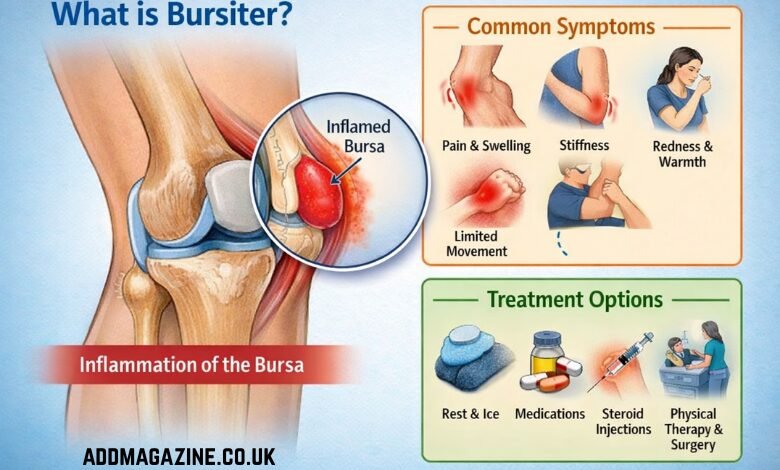
Bursitis, commonly referred to as bursiter in some contexts, is a painful condition that involves inflammation of the bursa. The bursa is a small, fluid-filled sac that acts as a cushion between bones and the surrounding soft tissues, such as muscles and tendons. When the bursa becomes inflamed, typically due to overuse, injury, or infection, it can lead to pain, swelling, and restricted movement in the affected joint. While the condition can develop in various parts of the body, it is most commonly seen in the shoulders, elbows, hips, and knees.
This article will explore bursiter in detail, discussing its causes, common symptoms, diagnostic methods, and available treatment options. It will also provide insights on how to manage and prevent bursitis for a better quality of life.
What Causes Bursiter?
Bursiter is caused by inflammation of the bursa, which can occur due to several factors. While overuse is the most common cause, other reasons may include injury, infection, and underlying medical conditions. Understanding the primary causes of bursitis can help prevent its onset and recurrence.
Repetitive Motion or Overuse:
One of the leading causes of bursitis is repetitive motion. Individuals who frequently engage in activities that require repetitive joint movements, such as athletes or workers in physically demanding jobs, are more susceptible to bursitis. This includes sports like tennis, baseball, and running, where the repetitive use of joints increases the risk of inflammation in the bursae.
Prolonged Pressure:
Continuous pressure on specific joints can also lead to bursitis. This is common in occupations or activities where one has to kneel or lean for extended periods. For instance, gardeners, carpet installers, and construction workers are at risk of developing knee bursitis due to prolonged kneeling, a condition often referred to as housemaid’s knee.
Injury or Trauma:
Any direct injury or trauma to a joint can damage the bursa, leading to bursitis. Falls, direct blows, or accidents can cause a bursa to become inflamed, resulting in pain and swelling around the joint.
Infection (Septic Bursitis):
Although rare, infection can occur within the bursa, a condition known as septic bursitis. This typically happens when bacteria enter the bursa through an open wound near the joint. Septic bursitis requires prompt medical attention and is often treated with antibiotics.
Underlying Health Conditions:
People with certain health conditions are more likely to develop bursitis. For example, those with rheumatoid arthritis, gout, or diabetes may have a higher risk of experiencing bursitis due to systemic inflammation or other related factors.
Age:
As people age, their joints naturally undergo wear and tear, making the bursa more vulnerable to inflammation. Older adults may experience bursitis more frequently, especially if they engage in activities that stress the joints.
Recognizing the Symptoms of Bursiter
The symptoms of bursitis are often localized to the affected joint and can vary in severity. The most common symptoms include:
- Pain: The primary symptom of bursitis is pain, which may be sharp or dull. The pain is usually localized around the inflamed bursa and can worsen with movement or pressure on the joint. For example, shoulder bursitis may cause pain when lifting the arm, while knee bursitis may make it painful to kneel.
- Swelling: Swelling is a typical sign of bursitis. The inflamed bursa accumulates fluid, causing the joint to appear puffy or swollen. This swelling may be tender to the touch and can restrict movement.
- Stiffness: Joint stiffness is another common symptom. The inflammation makes it difficult to move the affected joint freely, leading to a reduced range of motion.
- Warmth and Redness: In some cases, the skin over the inflamed bursa may appear red and feel warm to the touch. This is particularly common in cases of infection, where the body responds with increased blood flow to the affected area.
- Limited Movement: Bursitis can restrict the range of motion in the affected joint. For example, someone with hip bursitis may find it painful to walk or climb stairs due to limited hip mobility.
Diagnosing Bursiter
To diagnose bursitis, a healthcare provider will typically begin with a physical examination. They will assess the affected joint for signs of swelling, tenderness, or warmth. The doctor will also ask about the patient’s activity history to identify any repetitive motions or trauma that might have contributed to the condition.
In some cases, additional tests may be required to confirm the diagnosis or rule out other conditions that can cause similar symptoms. These may include:
- X-rays: Although X-rays cannot detect bursitis directly, they can help rule out other potential issues, such as fractures or bone spurs, which may cause joint pain.
- Ultrasound or MRI: These imaging techniques provide a more detailed view of the affected area, allowing the doctor to see if there is fluid accumulation or significant inflammation in the bursa.
- Bursal Fluid Aspiration: If the doctor suspects an infection or septic bursitis, they may perform a procedure to drain fluid from the bursa. The collected fluid will be analyzed to detect any potential infection.
Treatment Options for Bursiter
Treatment for bursitis generally focuses on reducing pain and inflammation while promoting healing of the bursa. Most cases of bursitis can be managed with conservative treatments, but more severe cases may require medical intervention. Below are common treatment options:
- Rest and Activity Modification: Resting the affected joint is crucial for recovery. Limiting activities that aggravate the symptoms, such as repetitive movements or pressure on the joint, can help prevent further damage to the bursa.
- Ice Therapy: Applying ice to the affected area for 15-20 minutes at a time can reduce swelling and numb the pain. Ice should be wrapped in a cloth or towel to protect the skin from frostbite.
- Nonsteroidal Anti-Inflammatory Drugs (NSAIDs): Over-the-counter medications like ibuprofen or naproxen can help alleviate pain and reduce inflammation associated with bursitis. Follow your healthcare provider’s guidance when using these medications to ensure proper use and effectiveness.
- Corticosteroid Injections: In cases where pain is severe or persistent, a corticosteroid injection may be administered directly into the affected bursa to reduce inflammation and provide longer-lasting relief.
- Physical Therapy: Once the pain has subsided, physical therapy may be recommended to improve the range of motion and strengthen the muscles around the affected joint. This can help prevent future episodes of bursitis.
- Aspiration: If there is significant fluid buildup in the bursa, a healthcare provider may use a needle to remove the fluid. This can reduce swelling and provide relief from discomfort.
- Antibiotics: In cases of septic bursitis, antibiotics are required to treat the infection. Based on the severity of the condition, antibiotics may be given either by mouth or through an intravenous line.
- Surgery: In rare cases, if conservative treatments do not provide relief, surgery may be required. Surgical options include draining the bursa or, in some cases, removing it altogether.
Preventing Bursiter
While bursitis cannot always be prevented, several strategies can reduce the risk of developing the condition:
- Take Breaks: If your work or activities involve repetitive motions, be sure to take regular breaks to avoid putting too much strain on your joints.
- Use Proper Technique: Ensure that you are using the correct form when performing physical activities, whether it’s lifting, exercising, or working.
- Wear Protective Gear: If your job or activity involves kneeling or putting pressure on the joints, consider wearing knee pads or other protective equipment.
- Strengthen and Stretch: Regular exercise that includes stretching and strengthening exercises can help maintain joint flexibility and reduce the risk of injury.
- Maintain a Healthy Weight: Extra weight can put unnecessary strain on the joints, increasing the likelihood of developing bursitis, especially in weight-bearing joints like the hips and knees.
Conclusion
Bursiter, or bursitis, is a common condition that occurs when the bursa becomes inflamed due to overuse, injury, or infection. It can cause significant discomfort, limiting the range of motion and affecting daily activities. Fortunately, bursitis can often be managed with rest, medication, and physical therapy. In more severe cases, more intensive treatments, such as corticosteroid injections or surgery, may be necessary. By understanding the causes, symptoms, and treatment options for bursitis, individuals can take proactive steps to manage their condition and prevent further complications.