
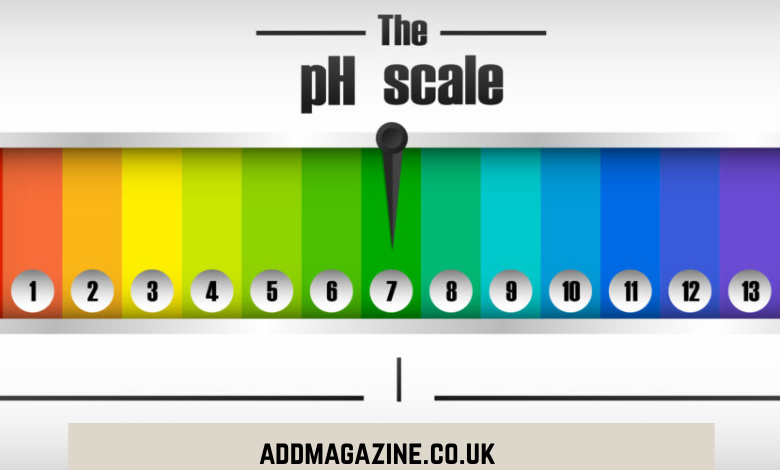
pH plays a crucial role in many aspects of daily life, even if we don’t always realise it. It measures how acidic or alkaline a substance is, on a scale that typically ranges from 0 to 14. Values below 7 indicate acidity, values above 7 indicate alkalinity, and 7 itself is considered neutral. From drinking water and soil quality to skincare, food, and laboratory work, pH levels influence safety, effectiveness, and overall outcomes.
Because pH affects chemical reactions and biological processes, having a simple way to measure it is extremely useful. This is where easy-to-use testing tools become valuable for both professionals and everyday users.
Why pH Testing Is Important
Monitoring pH helps prevent problems before they arise. In water, incorrect pH levels can affect taste, corrosion, and even health. In soil, pH determines how well plants absorb nutrients. In aquariums and pools, improper pH can harm fish, irritate skin, or reduce the effectiveness of sanitising chemicals.
Even in household and personal care settings, pH matters more than many people realise. Skincare products with unsuitable pH levels can disrupt the skin barrier, while food fermentation and brewing processes rely heavily on maintaining the right balance. Accurate pH testing supports better decisions and safer outcomes.
Simple Tools for Quick Measurement
There are several methods for measuring pH, including electronic meters and chemical solutions. However, for quick checks and routine use, paper-based testing methods remain popular due to their simplicity and affordability.
These tools work by changing colour when exposed to a substance. The colour is then compared against a reference chart to estimate the pH level. This visual approach allows users to get immediate results without specialised training or equipment.
How Paper-Based pH Testing Works
Paper-based pH testing relies on indicators embedded in the paper. When the paper comes into contact with a liquid or moist surface, these indicators react chemically and display a colour change.
The process is straightforward. A small sample is tested, the colour change is observed, and the result is read by matching it to the chart provided.
Common Uses Across Different Fields
One of the reasons these tools remain widely used is their versatility. In education, they help students understand chemical principles through hands-on learning. In gardening and agriculture, they assist in determining soil conditions so plants can thrive.
In water testing, they provide a quick way to check drinking water, well water, or aquarium conditions. Even healthcare and personal care applications rely on pH checks to ensure products are gentle and suitable for use.
Within these varied applications, ph test strips offer a practical balance between convenience and reliability for everyday testing needs.
Advantages of Using Simple pH Testing Methods
One major advantage is ease of use. This makes testing fast and accessible, even for beginners. Another benefit is portability.
Cost-effectiveness is another key factor. Compared to digital meters, paper-based options are inexpensive and disposable, which is ideal for frequent testing.
For many applications, approximate pH readings are sufficient, making these tools more than adequate for routine monitoring.
Understanding Accuracy and Limitations
While simple pH testing tools are convenient, it’s important to understand their limitations. They provide approximate ranges rather than precise numerical values. Factors such as lighting, user interpretation of colour, and sample contamination can influence readings.
For situations that require high precision, such as laboratory research or industrial manufacturing, digital pH meters may be more appropriate. However, for general monitoring, screening, and educational purposes, paper-based testing remains highly effective.
Knowing when approximate readings are sufficient helps users choose the right tool for their needs.
Best Practices for Reliable Results
To get the most accurate results, it’s important to follow basic guidelines. Always use clean hands and avoid touching the reactive area of the strip. Test fresh samples whenever possible, and compare colours promptly, as changes can fade over time.
Storing testing materials in a cool, dry place away from direct sunlight helps preserve their effectiveness. Using the correct type of strip for the intended application also improves reliability, as some are designed for specific pH ranges.
Choosing the Right Option for Your Needs
Different testing situations require different pH ranges. Some tools are designed for narrow ranges to provide more detailed readings, while others cover a broad spectrum for general use. Understanding what you’re testing—water, soil, food, or another substance—helps in selecting the most suitable option.
Frequency of testing also matters. For occasional use, simple disposable tools are ideal. For frequent or professional use, users may prefer options that balance convenience with slightly higher accuracy.
Conclusion
Measuring pH doesn’t need to be complicated to be effective. Simple, accessible testing methods have made it possible for people across many fields to monitor conditions, make informed decisions, and maintain safety and quality. While they may not replace advanced instruments in high-precision environments, their ease of use, affordability, and versatility make them an invaluable tool for everyday applications.
By understanding how pH works and choosing the right testing approach, users can confidently manage water quality, soil health, food processes, and more. With consistent use and proper handling, these tools continue to support better outcomes in both personal and professional settings.