
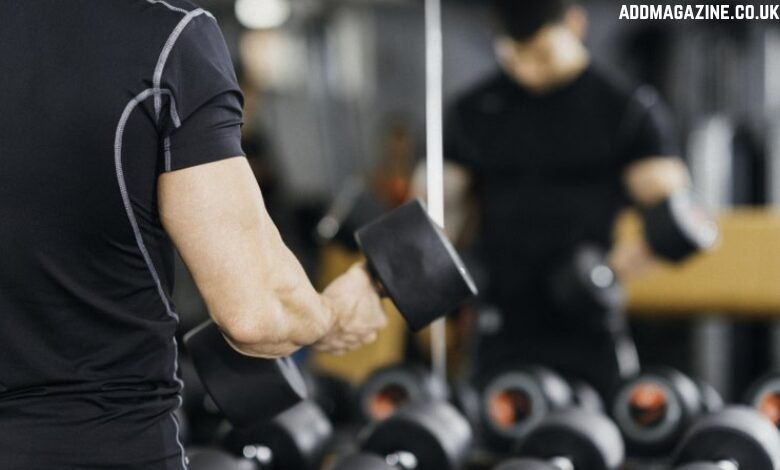
Getting back to your fitness routine after a hair transplant is not just about physical readiness. The newly transplanted follicles need time to establish secure connections with blood vessels in your scalp. Rushing back to exercise can compromise your results and potentially damage grafts that cost thousands of pounds to implant.
The recovery period varies significantly depending on the type of physical activity. Light walking differs dramatically from heavy weightlifting or swimming in chlorinated water. Understanding these distinctions is essential for protecting your investment while maintaining your fitness goals. According to the International Society of Hair Restoration Surgery, proper recovery protocols directly impact graft survival rates and overall transplant success.
Understanding the Critical First Week
The first seven days after your procedure represent the most vulnerable period for your transplanted hair follicles. During this time, grafts have not yet formed secure attachments to the scalp tissue. Any activity that increases blood pressure or causes sweating can disrupt this delicate healing process.
Your body is working hard to establish new blood supply networks around each transplanted follicle. Increased heart rate from exercise elevates blood pressure throughout your body, including in the tiny capillaries feeding your scalp. This heightened pressure can cause bleeding at both donor and recipient sites, potentially dislodging newly placed grafts.
Sweat presents another significant risk during this initial week. Your scalp contains bacteria that thrive in warm, moist environments. When combined with the small wounds created during transplantation, sweat can introduce infection risk. According to leading hair restoration surgeons at Smile Hair Clinic, even light perspiration should be minimised during the first five days post-procedure.
What the First Week Is and Is Not
The first week after transplant is the foundation for long-term success and requires strict activity restriction to protect vulnerable grafts. The first week is not a time for testing limits or gradually increasing activity levels, as even minor exercise can compromise results.
Week-by-Week Exercise Return Timeline
Days 1-7: Complete Rest Period
Avoid all forms of exercise during this crucial healing phase. Your only permitted physical activity should be short, gentle walks inside your home. These brief movements help maintain circulation without elevating heart rate or blood pressure to dangerous levels.
Keep walks under ten minutes and maintain a casual, leisurely pace. If you feel any scalp tension or notice your face becoming flushed, stop immediately and rest. This is not the time to push boundaries or test your recovery progress.
| Activity Type | Days 1-7 Status | Risk Level | Notes |
|---|---|---|---|
| Indoor walking | Permitted (under 10 min) | Low | Casual pace only, stop if flushed |
| Outdoor walking | Not permitted | High | Temperature changes increase sweat risk |
| Stretching | Not permitted | Medium | Head position changes affect blood flow |
| Yoga/Pilates | Not permitted | High | Inversions dramatically increase scalp pressure |
| Any cardio | Not permitted | Severe | Heart rate elevation threatens graft stability |
| Weight training | Not permitted | Severe | Blood pressure spikes can dislodge grafts |
Days 8-14: Light Activity Introduction
After the first week, you can gradually introduce light cardiovascular activity. Walking outdoors for 15-20 minutes at a comfortable pace becomes acceptable. Your grafts have begun establishing blood supply connections, but they remain fragile.
Monitor your body’s response carefully during this phase. If you notice any scalp sensitivity, redness, or unusual tightness, reduce activity immediately. According to research published by Utah Hair Restoration specialists, graft stability improves significantly between days 7-14, but complete security has not yet been achieved.
Gentle cycling on a stationary bike represents another safe option during this period. Keep resistance low and maintain conversation-level intensity. If you cannot easily hold a conversation while exercising, you are working too hard for this recovery stage.
Days 15-21: Moderate Cardio Returns
Week three marks a significant milestone in your recovery journey. Most patients can resume moderate cardiovascular exercise during this period. Light jogging, elliptical training, and moderate-intensity cycling become appropriate activities.
Your heart rate can safely elevate to 60-70% of your maximum during this phase. Calculate your target by subtracting your age from 220, then multiplying by 0.6-0.7. For a 35-year-old patient, this means keeping heart rate between 111-129 beats per minute.
Avoid exercises that require you to bend forward at the waist or put your head below heart level. Movements like toe touches, bent-over rows, or inverted yoga poses still present too much risk. Blood rushing to your scalp can strain newly forming graft connections.
Days 22-28: Resistance Training Begins
Four weeks post-procedure represents another important threshold. Light resistance training with bodyweight exercises or minimal weights becomes acceptable. Focus on exercises that keep your head upright and avoid straining facial muscles.
Start with upper body exercises using weights no heavier than 40-50% of your normal working weight. Push-ups, light dumbbell presses, and resistance band work provide excellent starting points. According to Philadelphia Hair Restoration experts, this conservative approach protects grafts while allowing you to rebuild strength gradually.
| Exercise Category | Weeks 3-4 Guidelines | Recommended Modifications |
|---|---|---|
| Upper body pressing | 40-50% normal weight | Incline positions reduce scalp pressure |
| Upper body pulling | 40-50% normal weight | Avoid chin-ups; use assisted machines |
| Lower body exercises | Bodyweight to 50% load | No overhead movements during squats |
| Core training | Planks and standing exercises only | Avoid crunches and leg raises |
| Shoulder exercises | Very light weights only | Keep elbows below shoulder height |
Weeks 5-6: Intensity Increases
Weeks five and six allow for progressive increases in both weight and intensity. You can advance to 70-80% of your normal training loads while continuing to monitor scalp response. Most grafts have achieved solid anchoring by this point, but caution remains important.
High-intensity interval training (HIIT) can be gradually reintroduced during this phase. Start with shorter work intervals and longer rest periods than your pre-transplant routine. For example, if you previously performed 30-second sprints with 30-second rests, begin with 20-second efforts and 50-second recovery periods.
Swimming and Water Activities: Special Considerations
Swimming requires longer avoidance than most other exercise forms. Chlorinated pool water contains chemicals that can irritate healing scalp tissue and potentially damage fragile new grafts. Saltwater presents similar concerns, along with bacteria that thrive in warmer ocean temperatures.
Most surgeons recommend waiting a minimum of four weeks before swimming, with many preferring six weeks for complete safety. According to Treatment Rooms London specialists, this extended timeline ensures all micro-wounds have completely closed and grafts have achieved maximum stability.
When you do return to swimming, start with brief sessions of 15-20 minutes. Rinse your hair immediately after exiting the water to remove chlorine or salt residue. Use the gentle, pH-neutral shampoo your clinic recommended rather than standard products.
| Water Activity | Minimum Wait Time | Optimal Wait Time | Key Concerns |
|---|---|---|---|
| Chlorinated pool swimming | 4 weeks | 6 weeks | Chemical irritation, bacterial exposure |
| Ocean swimming | 5 weeks | 6 weeks | Salt irritation, bacteria, wave impact |
| Hot tub use | 6 weeks | 8 weeks | Heat dilates blood vessels excessively |
| Sauna | 6 weeks | 8 weeks | Extreme sweating creates infection risk |
Exercise Categories and Safe Return Timeframes
Cardiovascular Exercise
Light walking after one week serves as your first step back to fitness. Progress to brisk walking and light jogging between weeks two and three. According to Wimpoleclinic research, gradual cardiovascular progression protects grafts while maintaining fitness levels.
Cycling presents an excellent low-impact option that can begin earlier than running. The seated position maintains stable blood flow to your head, and intensity can be easily controlled through resistance settings. Start with flat terrain or minimal resistance, avoiding hill climbs or high-intensity intervals until week four.
Running should wait until at least week three, starting with short distances and easy paces. Your first runs should feel comfortable and conversational. If you notice any scalp discomfort, tightness, or unusual sensations, stop immediately and wait another week before trying again.
Strength Training
Upper body exercises require particular caution during early recovery. Pressing movements like bench press and shoulder press create significant intrathoracic pressure, temporarily elevating blood pressure throughout your body. This pressure spike affects your scalp, potentially stressing new grafts.
Begin with incline pressing variations rather than flat or decline angles. The more upright position reduces blood flow to your head compared to lying flat. Use dumbbells instead of barbells initially, as they allow you to stop mid-set more easily if you experience any discomfort.
Lower body training can resume gradually around week four, but avoid exercises that require you to hold your breath or strain excessively. Bodyweight squats and lunges provide excellent starting points. Progress to weighted versions slowly, ensuring you maintain steady breathing throughout each set.
High-Intensity Training
CrossFit, bootcamp classes, and similar high-intensity programs should wait until at least six weeks post-procedure. These activities combine cardiovascular stress, heavy lifting, and complex movements that collectively create significant physical demands. According to Cosmedica Clinic specialists, this conservative timeline ensures grafts have achieved maximum stability before facing such challenges.
When returning to high-intensity training, scale workouts significantly below your normal capacity. Reduce weights by 30-40%, increase rest periods, and eliminate movements that require you to go upside down or put extreme strain on your neck and shoulders.
Contact Sports and Combat Training
Activities involving potential head contact require the longest avoidance period. Boxing, martial arts, rugby, and similar sports should wait a minimum of six to eight weeks. Even with this extended timeline, wearing protective headgear becomes essential when you return.
The risk is not just from direct impacts but also from the rapid head movements these sports require. Sharp rotational forces or sudden acceleration and deceleration can stress the scalp tissue where grafts have been placed. According to Dr. Malay Mehta’s research, graft anchoring continues strengthening for several months after the procedure.
Signs You Are Exercising Too Soon
Physical Warning Indicators
Increased scalp redness beyond the normal healing appearance signals excessive blood flow to the area. Some pinkness is expected during recovery, but bright red coloration or splotchy patches suggest you are pushing too hard.
Swelling that worsens after activity indicates inflammation from excessive exertion. While minor swelling is common in the first week, it should gradually decrease. If swelling increases or returns after it had subsided, reduce your activity level immediately.
Scab disruption or bleeding from graft sites represents a serious concern. Fresh bleeding or weeping from the recipient area means grafts remain unstable and activity is threatening their survival. Stop all exercise and contact your clinic for guidance.
Unusual scalp tightness or pulling sensations during or after exercise suggest tissue stress. The scalp naturally feels tight after a transplant, but this sensation should not increase with activity. If exercise makes tightness worse, your body is telling you to slow down.
What Warning Signs Are and Are Not
Warning signs are your body’s protection mechanism indicating activity levels exceed current healing capacity. Warning signs are not minor discomfort to push through or ignore in pursuit of fitness goals.
Creating Your Personal Exercise Return Plan
Factors Affecting Your Timeline
The number of grafts transplanted directly impacts your recovery timeline. Larger procedures involving 3,000-4,000 grafts create more extensive scalp trauma than smaller 1,000-1,500 graft sessions. More grafts mean more healing required before exercise can safely resume.
Your age influences healing speed and graft stability. Younger patients typically achieve faster recovery due to more robust circulation and cellular repair mechanisms. Patients over 50 may benefit from adding an extra week to each phase of the timeline.
Overall health status and fitness level before the procedure affect recovery capacity. Regular exercisers with strong cardiovascular systems often tolerate graduated activity return better than sedentary individuals. However, being fit does not mean you should accelerate the timeline beyond medical recommendations.
Working with Your Clinic
Schedule follow-up appointments at weeks 1, 2, and 4 to assess healing progress. Your surgeon can examine graft stability and provide personalised clearance for different activity levels. According to Hair Restoration Maine specialists, individualised assessment prevents both premature return and unnecessarily prolonged restriction.
Communicate openly about your fitness goals and normal training routine. Understanding your activities helps your surgeon provide specific guidance rather than generic restrictions. Mention if you participate in competitive sports, as these may require additional precautions.
| Recovery Milestone | Expected Timeline | Assessment Criteria | Exercise Clearance |
|---|---|---|---|
| Initial wound healing | 7-10 days | No bleeding, scabs forming | Light indoor walking only |
| Scab shedding begins | 10-14 days | Natural scab removal without picking | Light outdoor walking, gentle stretching |
| Grafts stabilising | 14-21 days | No tenderness to light touch | Moderate cardio, no weights |
| Strong graft anchoring | 21-28 days | Normal scalp sensation returns | Light resistance training begins |
| Near-complete healing | 28-42 days | Full range of head movement comfortable | Progressive return to full training |
| Maximum stability | 42+ days | No restrictions on head position | All activities cleared |
Protecting Your Investment
Long-Term Considerations
Hair transplant procedures represent significant financial investments, typically ranging from £3,000-£8,000 in the UK depending on the number of grafts required. This cost makes protecting your results through proper recovery absolutely essential. According to Vinci Hair Clinic data, clinics performing over 100,000 successful procedures demonstrate that patient compliance with recovery protocols directly correlates with final outcome satisfaction.
Your transplanted hair will grow for the rest of your life once properly established. Grafts taken from the permanent zone at the back of your head carry genetic resistance to DHT, the hormone responsible for male pattern baldness. Protecting these grafts during their vulnerable early weeks ensures they provide lifelong coverage.
Exercise Modifications That Protect Results
Wearing a loose headband that wicks moisture helps manage sweat without putting pressure on graft sites. Choose soft, stretchy materials rather than tight elastic bands that could irritate healing tissue. Position the band above and below the transplanted area rather than directly over it.
Training in climate-controlled environments reduces excessive sweating during early recovery phases. While outdoor exercise will eventually resume completely, using air-conditioned gyms during weeks 3-6 provides extra protection. Temperature control helps you maintain activity levels without overwhelming your scalp’s ability to handle moisture and heat.
Keeping hair short during the first 4-6 weeks reduces weight and pulling on new grafts. Your clinic will likely trim the recipient area during the procedure. Maintaining this shorter length until grafts achieve complete stability prevents unnecessary stress on forming connections.
Frequently Asked Questions
Can I do light yoga or stretching exercises in the first week after my hair transplant?
No, even gentle yoga should be avoided during the first seven days post-procedure. While stretching seems harmless, many yoga poses position your head below your heart, dramatically increasing blood flow to the scalp. This increased pressure can disrupt newly placed grafts. Downward dog, forward folds, and even seated forward bends create too much risk during this critical period. Wait until at least day 10 before attempting any yoga practice, and continue avoiding inversions for a full month.
Why is the timeline for returning to exercise longer than recovery from other minor surgical procedures?
Hair transplant grafts face unique vulnerabilities compared to other surgical sites. Each transplanted follicle must establish an entirely new blood supply in its recipient location, a process requiring 10-14 days minimum. Unlike a simple incision that heals edge-to-edge, transplanted grafts sit in tiny individual channels where they must develop new vascular connections. Increased blood pressure from exercise can disrupt these forming connections before they achieve stability. Additionally, the scalp’s high vascularity makes it particularly sensitive to blood pressure fluctuations.
What happens if I accidentally exercise too hard during the recovery period?
If you over-exert yourself during recovery, stop the activity immediately and rest. Monitor your scalp for increased redness, swelling, or any bleeding. If you notice these symptoms, apply gentle cold compresses and contact your clinic for assessment. Most cases of mild overexertion result in temporary inflammation without permanent graft damage, but medical evaluation ensures no serious complications have occurred. Document what activity caused the reaction so you can avoid it in the future and adjust your return timeline accordingly.
Are there any supplements or nutrition strategies that can help me maintain fitness during the exercise restriction period?
Focus on protein intake of 1.6-2.2 grams per kilogram of body weight daily to minimise muscle loss during reduced activity. Include omega-3 fatty acids from fish or supplements to support the healing process. Vitamin C and zinc aid wound healing and can be particularly beneficial during recovery. Creatine supplementation may help preserve muscle mass during training breaks, though always consult your doctor before starting new supplements post-procedure. Stay well-hydrated, as proper hydration supports scalp healing.
Can I use a stationary bike or treadmill at home during the first two weeks if I keep intensity very low?
Stationary cycling at very low intensity can begin around day 7-10 if you maintain heart rate below 55% maximum and do not sweat. Keep sessions under 15 minutes and stop immediately if you feel any scalp pressure or discomfort. Treadmills present slightly more risk than bikes because the impact and upright posture can increase scalp blood flow more dramatically. If choosing between the two, opt for cycling first and add treadmill walking after day 14. Always prioritise your surgeon’s specific recommendations, as individual factors may warrant more conservative timelines.
Conclusion
Returning to exercise after a hair transplant requires patience, discipline, and a graduated approach that prioritises graft survival above fitness maintenance. The timeline outlined here provides evidence-based guidance drawn from leading hair restoration specialists worldwide, but individual circumstances may require adjustments.
Your specific recovery speed depends on factors including procedure size, personal healing capacity, age, and overall health status. Work closely with your surgical team to adapt these general guidelines to your unique situation. Schedule regular follow-up appointments during the first six weeks so your surgeon can assess healing progress and clear you for progressive activity increases.
The temporary sacrifice of your normal training routine protects an investment that will benefit you for decades. Hair transplants offer permanent solutions to hair loss, with properly placed grafts continuing to grow for your lifetime. Taking the necessary recovery time ensures you achieve optimal density, natural appearance, and long-lasting results.
Vinci Hair Clinic specialists emphasise that patient compliance during recovery directly predicts final satisfaction with transplant outcomes. Those who follow recommended restrictions consistently achieve better growth, fewer complications, and more natural-looking results. For personalised guidance about your hair restoration options and recovery protocols, consult with experienced hair transplant specialists who can provide individualised assessment and planning.
Remember that the grafts transplanted during your procedure represent permanent hair that will resist the hormonal factors causing baldness. Protecting these follicles during their vulnerable establishment period ensures they provide the coverage and confidence you invested in achieving. Learn more about how hair transplants deliver natural, lasting results when proper care is maintained throughout the recovery process.