When equipment reliability is questioned, maintenance practices are usually the first area examined. Service intervals are adjusted, inspections are increased, and procedures are refined. While maintenance plays a critical role in keeping systems operational, it rarely determines how long equipment can truly last.
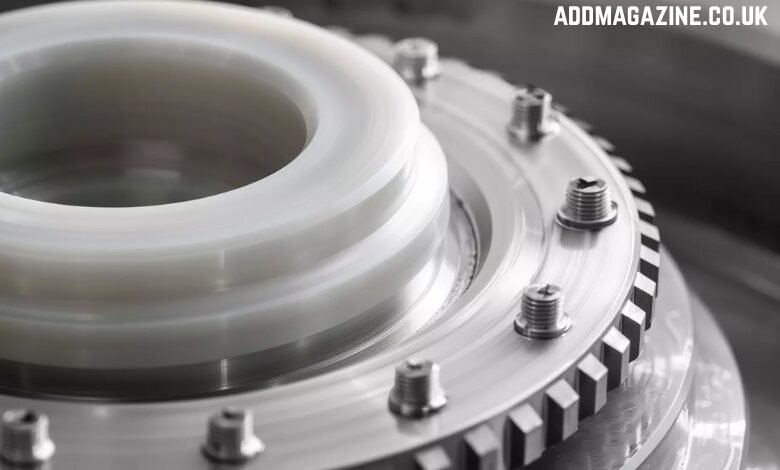
Long-term reliability is largely shaped before maintenance ever begins. The materials chosen during design and manufacturing define how equipment responds to heat, stress, corrosion, and continuous operation. In demanding industrial environments, industrial-grade alumina tubing that supports long-term operational reliability beyond routine maintenance illustrates how appropriate material selection can slow degradation and extend service life in ways routine maintenance alone cannot achieve.
This distinction is important because maintenance is reactive by nature—it addresses wear after it appears. Material selection, by contrast, is preventive. It determines how resistant a system is to degradation from the very beginning.
The Limits of Maintenance in Harsh Industrial Conditions
Maintenance programs are designed to preserve performance, not to change how materials behave. Lubrication reduces friction, inspections detect visible damage, and replacements restore function. However, none of these actions alter a material’s fundamental response to temperature, chemicals, or mechanical load.
In industrial settings, components often operate under conditions that exceed those assumed during routine servicing. Prolonged heat exposure, aggressive media, and repeated thermal cycling can cause internal material changes that are not immediately visible. By the time maintenance identifies a problem, the underlying degradation may already be advanced.
This is why well-maintained equipment can still experience premature failure when materials are not well matched to operating environments.
Why Materials Set the Reliability Ceiling
Material quality establishes the upper limit of reliability. Once a system is built, maintenance can only manage degradation within the constraints imposed by the materials themselves.
Key material properties that influence long-term reliability include:
- Thermal stability during continuous operation
- Resistance to chemical interaction and corrosion
- Dimensional stability under repeated thermal cycles
- Mechanical integrity under sustained load
When these properties are inherent to the materials used, equipment degrades more slowly and predictably. Maintenance becomes more effective because it is not constantly compensating for material weaknesses.
Early Decisions Have Long-Term Consequences
Many reliability issues can be traced back to early-stage decisions. During design and procurement, materials are often selected based on cost, availability, or short-term performance metrics. While these factors matter, they do not always reflect how materials will behave after years of exposure.
Two systems operating under similar conditions can show dramatically different lifespans. One may run reliably with minimal intervention, while the other requires frequent repairs and still suffers from recurring issues. The difference often lies not in how they are maintained, but in how suitable their materials are for real operating conditions.
Once equipment is deployed, changing material choices is rarely practical. This makes early material selection disproportionately important.
Evaluating Materials for Long-Term Behavior
Short-term qualification tests confirm whether a material meets specifications at a single point in time. Long-term reliability depends on how materials behave after extended exposure to heat, stress, and environmental factors.
To understand this behavior, materials are often evaluated under controlled, prolonged conditions. In many industrial and laboratory settings, alumina crucible materials used to evaluate material stability under prolonged industrial operating conditions are used to observe aging behavior and identify slow degradation mechanisms that routine tests may miss.
These evaluations provide insight into how materials will perform years into service, not just during initial operation.
Maintenance Works Best When Materials Are Right
Maintenance is essential, but it is most effective when paired with appropriate materials. High-quality materials reduce the frequency and severity of maintenance issues, allowing service teams to focus on optimization rather than constant corrective action.
When materials are poorly suited to their environment, maintenance becomes a cycle of intervention without resolution. Components are replaced, but failures recur because the root cause—the material limitation—remains unchanged.
Reliability, Cost, and Long-Term Value
From a business perspective, reliability directly affects total cost of ownership. Unexpected downtime, emergency repairs, and shortened replacement cycles increase costs and disrupt operations.
Investing in suitable materials upfront often reduces these downstream expenses. Systems built with durable materials experience fewer failures, more predictable maintenance schedules, and longer service intervals. Over time, this approach shifts maintenance from a reactive cost to a value-preserving strategy.
Rethinking Reliability from the Beginning
Achieving long-term reliability requires a shift in perspective. Instead of viewing maintenance as the primary defense against failure, organizations should recognize materials as the foundation of durability.
Questions worth asking early include:
- How will these materials behave after years of continuous operation?
- What degradation mechanisms are likely under real industrial conditions?
Addressing these questions early enables maintenance strategies to succeed rather than struggle.
Final Thoughts
Maintenance keeps equipment running day to day, but materials determine how long it can run. When industrial systems are built with materials selected for long-term behavior—not just initial performance—degradation slows, failures become more predictable, and reliability improves naturally.
For organizations focused on uptime and longevity, material selection is not a secondary consideration. It is the starting point for sustainable, long-term reliability.