If there’s one universal truth about modern work, it’s this: no one needs another meeting. Teams aren’t struggling because they don’t talk enough—they’re struggling because they don’t talk effectively.
In traditional organizations, updates happen in meetings, decisions happen in separate apps, and by the time someone acts, context has already been lost. Remote and hybrid work have only magnified the problem. Teams are busier, calendars fuller, and attention thinner.
But there’s a better way. Modern teams are moving away from endless calls and status updates toward contextual communication—conversations that live directly beside the work itself. Whether you’re reviewing a document, tracking customer data, or analyzing performance metrics, communication should happen where the action happens.
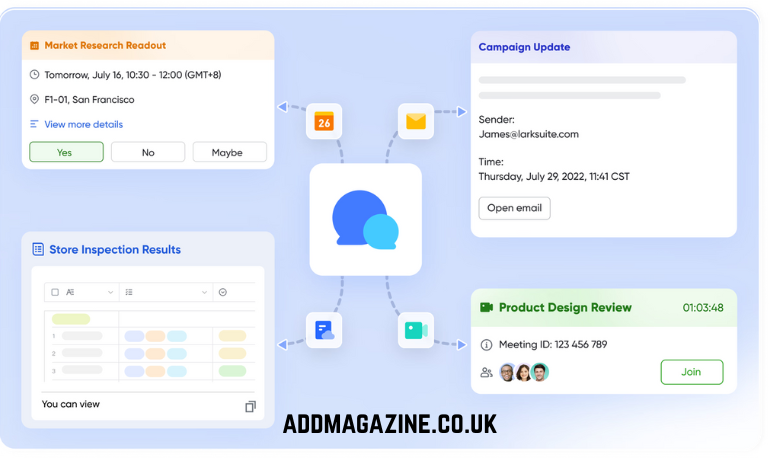
That’s the philosophy behind connected platforms like Lark, where collaboration isn’t scheduled—it’s built into every moment of work. From linking discussions to data, to combining chat, docs, and scheduling in one space, Lark turns communication into progress. And it all starts with visibility—the kind a CRM app helps teams achieve when everyone understands not just the message, but the meaning behind it.
Turning communication into context
The future of teamwork doesn’t revolve around “more updates”; it’s about better context. Lark Messenger brings that principle to life by making conversations part of the workflow rather than a layer on top of it.
In traditional tools, a quick question about a file or client update often sparks a separate thread, email, or call—disconnected from the source. With Messenger, those discussions happen beside the document, table, or record in question.
Imagine a customer success manager sharing a client concern. They drop it in a Messenger thread, tag the product lead, and link the client’s Base record for background. There’s no need to explain history or forward attachments. Everyone sees the same details, reacts instantly, and solves the problem in real time.
Messenger replaces fragmented updates with flow—short, focused, and anchored to the work at hand.
Collaboration without the call fatigue
Every organization has meetings that could have been a document. Lark Docs makes that possible by giving teams a space to think together asynchronously. Instead of scheduling another status call, teams can brainstorm, comment, and make decisions collaboratively in one shared file.
Consider a team planning its quarterly goals. Instead of a two-hour meeting, the manager creates a Doc, outlines the objectives, and invites everyone to contribute asynchronously. As ideas come in, comments spark side discussions, and final decisions are documented—all without a single calendar invite.
The result? Fewer interruptions, better ideas, and complete transparency. Docs encourages collaboration on people’s own time zones and attention spans—perfect for modern, distributed teams that value autonomy and deep work.
Making meetings matter again
The problem isn’t meetings themselves—it’s the lack of focus within them. Lark Calendar ensures that when meetings happen, they happen with purpose.
Because Lark Calendar is fully connected with the rest of the workspace, every event includes its relevant context—linked Docs for agendas, and Base records for project details. Participants arrive informed, decisions are faster, and outcomes are clear.
For example, a regional sales team reviewing performance can open the meeting link to find the live sales report in Sheets and the updated plan in Docs—all accessible before the first slide is presented. Afterward, next steps sync directly to Tasks.
Meetings become shorter, sharper, and smarter—exactly what a connected workplace should deliver.
Connecting information to communication
The fastest teams are those that can communicate in the language of data. Lark Base lets them do exactly that by bringing structure and context to discussions around information.
Instead of debating metrics in a vacuum, teams can talk in the data. A marketing lead reviewing campaign performance doesn’t have to present static spreadsheets. With Base, they can tag colleagues directly in records, flag anomalies, or create new tasks right from the dashboard. For people using CRM software to understand customer trends, they often appreciate how Base lets them carry that same clarity into internal discussions.
And it doesn’t stop there—Lark Base supports automated workflow triggers that keep everyone in sync without manual follow-ups. If a new project milestone is reached, Lark Base automatically notifies the relevant channel, updates Sheets, and alerts the responsible teams.
Base replaces endless “What’s the latest?” conversations with real-time visibility. Teams always know what’s happening—freeing communication for what truly matters: decision-making.
Turning talk into traction
Contextual communication doesn’t just reduce meetings—it replaces them with movement. Lark Tasks ensures that every discussion leads to visible action.
After a chat in Messenger or a brainstorm in Docs, tasks can be created instantly, assigned to owners, and tracked across the workspace. Teams don’t have to remember what was said or who volunteered—it’s already recorded.
For instance, when a client escalation is discussed in Messenger, the support lead can turn it into a follow-up task immediately. Everyone sees its progress in real time. By connecting chat to accountability, Tasks bridges the gap between ideas and execution—ensuring conversations translate into outcomes.
Keeping communication consistent across teams
Hybrid and global teams often face the same communication issue: repetition. People keep explaining the same processes to new members or answering identical questions. Lark Wiki solves that by creating a shared repository of verified information, policies, and workflows.
Instead of scheduling more onboarding calls or internal meetings, leaders can direct new hires or departments to Wiki pages where everything is documented—from communication protocols to project guidelines.
This keeps information accessible, reduces back-and-forth, and maintains alignment across regions. Wiki turns communication from reactive to proactive—the foundation of consistent collaboration.
When data sparks conversation
Communication becomes more meaningful when it’s rooted in evidence. Lark Sheets connects directly with Base to make data collaborative. Instead of presenting static figures in slides, teams can discuss live data directly inside the sheet.
A product manager reviewing feature adoption rates can comment next to a column, tag the design team, and discuss improvement ideas in real time. The conversation happens right beside the data, and outcomes can be tracked immediately.
Sheets reduces the need for review calls by turning analysis into live discussion—shortening the feedback loop that drives innovation.
Less time talking, more time doing
When teams use connected communication tools effectively, meetings become rare—but when they happen, they’re powerful. Lark Meetings ties everything together by turning live collaboration into instant execution.
During a strategy review, participants can pull up Docs, edit notes live, assign Tasks before the call ends, and have everything sync to Base automatically. There’s no need for recap emails or follow-ups—the system captures it all.
Meetings in Lark are the exception, not the norm—focused, outcome-driven, and fully integrated into the rhythm of work.
Conclusion
The future of collaboration isn’t about replacing meetings—it’s about redefining communication. Modern teams thrive when they can connect, share, and act within context.
A CRM app keeps customer data visible, but tools like Messenger, Docs, and Base ensure that context flows across the entire organization. Automation keeps updates current, collaboration stays live, and meetings become purposeful again.
In a world where every second counts, teams no longer need more noise—they need connection that drives clarity. And platforms like Lark deliver exactly that: the new project management tools for teams that understand productivity is no longer about presence, but about progress.