Many older homes in London are beautiful. However, they often face serious structural and foundation problems. Since these houses were built a long time ago, their foundations might not be strong enough. London has clay soil, which expands and shrinks depending on the weather.
If you notice cracks in your walls, uneven floors, or doors that stick, your home might be shifting. Ignoring these signs is dangerous because the damage will only get worse and more expensive over time. You can hire structural reinforcement or underpinningcontractors in London to fix these issues.
Professionals inspect your property to find the reason behind foundation problems. They use several clever techniques to save your home. Let’s go through these techniques.
6 Methods Experts Use to Fix Foundation Problems
1. Crack Repair and Structural Reinforcement
When you first see a crack in your wall, it can be scary. Experts do not just paint over these gaps but also fix the root of the problem, says OKC Homes 4 You management. First of all, they clean the crack to see how deep it goes. Then, they use special high-strength fillers or liquid resins that act like super glue. If the wall is moving, they might use reinforcement methods like metal stitches.
These are long steel rods placed inside the mortar to hold the bricks together tightly. This process stops the damage from spreading and makes your walls stronger than before. By reinforcing the structure, they make sure that small gaps do not turn into large holes.
2. Improving Drainage
Water is often the biggest enemy of your home’s foundation. If the soil around your house gets wet, it becomes soft and cannot support the weight of the bricks. Professionals look at your gutters, downspouts, and the slope of your yard to see where the water goes. If they find that water is collecting near your walls, they will adjust the pipes or change the ground slope.
It keeps the soil dry and stable. They may also install special underground pipes to carry rainwater far away from your foundation. By fixing the drainage, you prevent the ground from turning into mud. It is a simple yet effective way to keep your house from sinking or shifting.
3. Soil Stabilisation
Sometimes the problem is not the house or foundations but the weak soil. If the ground is too loose or shifts a lot, experts use soil stabilisation. They do this by injecting special materials, such as eco-friendly chemicals or expanding foams, into the earth. Once these materials are inside the ground, they harden and turn the soft soil into a solid base.
It significantly improves the ground’s ability to support a heavy structure. It’s similar to adding a hidden floor of support. This method is smart because it does not require a lot of digging, which makes it a fast and clean way to support the foundation.
4. Installing Steel or Concrete Piers
If a part of your house has already started to sink, experts may use piers to lift it back up. Piers are long, heavy-duty poles made of steel or concrete. They drive these piers deep into the earth until they hit a stable layer of soil or rock that can hold the weight. Once the piers are securely in place, they are attached to the bottom of your house.
After that, experts use hydraulic jacks to slowly lift the sunken sections of your home back to their original level. It provides permanent support to your home. It is a very reliable solution for older London homes that are built on top of shifting clay.
5. Slab Jacking
If the concrete floor of your home has become uneven, slab jacking is an effective fix. If you notice that your kitchen floor is tilting or there are gaps under your baseboards, there might be empty spaces under the concrete. Experts drill small holes into the floor and pump a thick mixture of sand, cement, and water underneath.
As this mixture fills the empty spaces, it creates pressure that pushes the concrete slab back up to where it belongs. It fills the voids and creates a flat and solid surface. It is more affordable and faster than breaking up the old floor and pouring a completely new one for your home.
6. Underpinning
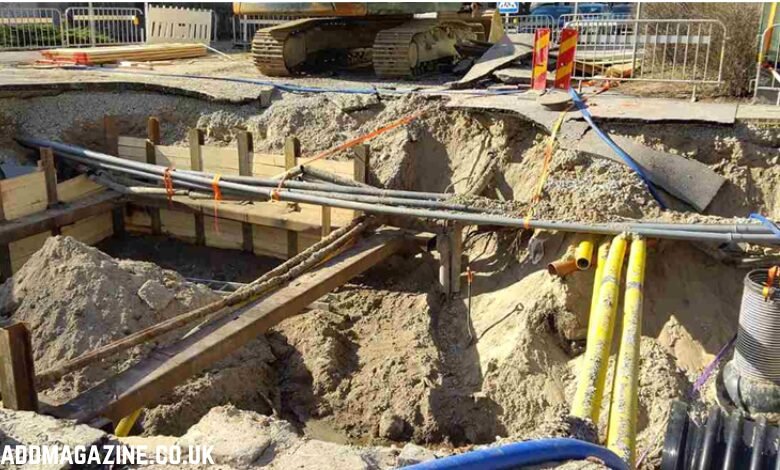
UK underpinning solutions are the most effective way to fix an old foundation. This method is used when the original foundation is not deep or strong enough. Experts carefully dig sections under your existing foundation and fill them with thick layers of concrete.
It gives your house a wider and stronger base to stand on. Though this job takes a lot of work and time, it is still the best long-term solution for very old buildings.
Experts use the aforementioned smart techniques to stabilise and save older London homes. By identifying the root cause and applying the right fix, they make sure that your property remains safe and strong for many years.