
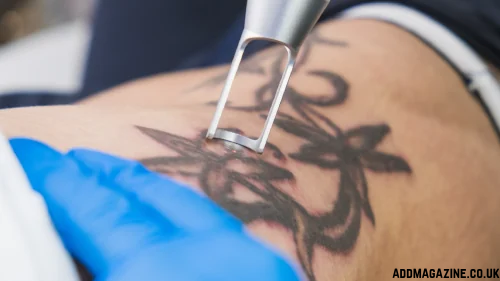
Tattoo removal isn’t a single zap that erases ink in one visit — it’s a process that typically spans months, involves multiple sessions, and depends heavily on factors like ink color, skin tone, and how deep the pigment sits. Anyone considering it should know what actually happens before, during, and after treatment, because the reality is more gradual than the “before and after” photos online tend to suggest.
How Laser Removal Actually Works
Modern tattoo removal relies on lasers that emit short pulses of high-intensity light. That light passes through the skin’s surface and gets absorbed by the tattoo pigment, which shatters the ink into smaller particles. The body’s immune system then gradually clears those fragments through the lymphatic system over the following weeks.
Different wavelengths target different ink colors. Black and dark blue respond fastest because they absorb the broadest range of light wavelengths, while greens and yellows are notoriously stubborn and may require specialized lasers like picosecond devices to break down effectively.
What a Typical Session Looks Like
A session usually starts with a patch test, especially for first-time clients, to check how the skin reacts. The technician then cleans the area, sometimes applies a topical numbing cream, and uses the laser in controlled passes over the tattoo.
Most sessions last anywhere from 10 to 45 minutes depending on the tattoo’s size. Smaller designs, like a wrist tattoo the size of a quarter, might take just a few minutes under the laser, while a full back piece requires a much longer appointment, sometimes broken into sections across multiple visits.
How Many Sessions You’ll Actually Need
This is where expectations often need adjusting. A single small, amateur tattoo done with dark ink might fade significantly after 4 to 6 sessions. A professional, multicolored tattoo with dense ink saturation can require 10 to 15 sessions or more.
Sessions are typically spaced 6 to 8 weeks apart to give the body time to process the broken-down ink and let the skin recover. Trying to speed up the schedule by going more frequently can increase the risk of scarring and doesn’t actually accelerate clearance, since the lymphatic system works at its own pace regardless of how often the laser is applied.
The Healing Process Between Sessions
Right after a session, it’s normal for the treated area to look red, swollen, and slightly raised, almost like a sunburn. Blistering can occur, particularly after the first couple of treatments, and small scabs may form within a day or two.
Keeping the area clean, applying a recommended ointment, and avoiding sun exposure are the main things that matter during healing. Picking at scabs or blisters increases the risk of scarring and can actually interfere with how well the ink clears, so leaving the area alone is one of the simplest ways to protect the results.
Pain, Risks, and What Affects Results
Most people describe the sensation as similar to being snapped repeatedly with a rubber band, though pain tolerance varies widely. Numbing cream applied 30 to 45 minutes before treatment helps make sessions more tolerable, especially for larger areas.
Skin tone plays a real role in treatment planning. Darker skin contains more melanin, which can absorb laser energy alongside the tattoo ink, raising the risk of pigment changes if the wrong settings are used. This is one of several reasons why experience matters more than equipment alone — a skilled technician adjusts laser settings based on skin type, ink density, and how previous sessions responded.
Choosing the Right Provider
Not every place offering laser tattoo removal uses the same quality of equipment or has staff trained to handle complications. Looking into certifications, asking how many tattoos the technician has treated, and reading reviews about healing outcomes (not just session comfort) gives a clearer picture than price alone.
For residents in the area, Southern Esthetics has built a reputation as a leading tattoo removal clinic in Decatur, known for individualized treatment plans rather than a one-size-fits-all approach. Clinics like this typically walk clients through realistic timelines upfront, which helps avoid the frustration of expecting faster results than the biology allows.
What to Expect Long-Term
Fading happens gradually, and it’s common to feel like nothing is changing between sessions three and four, even though the body is still processing ink from earlier treatments. Progress often becomes more visible in photographs taken under consistent lighting rather than in daily mirror checks.
Full clearance isn’t guaranteed for every tattoo. Some ink, especially certain blues and greens or tattoos that were done with heavier ink saturation, may leave faint traces even after extensive treatment. Knowing this ahead of time helps set realistic expectations rather than treating removal as an instant undo button.
The most useful thing to remember going in is that tattoo removal rewards patience over urgency. Sticking to the recommended spacing between sessions, protecting the skin during healing, and working with a provider who explains the process honestly will produce far better results than rushing the timeline ever will.