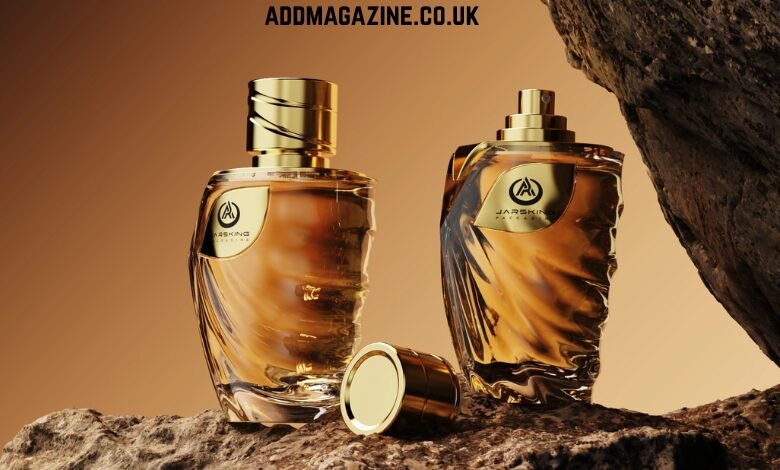
Fragrance has always been more than a scent — it is an experience, a statement, and increasingly, a work of art. Nowhere is this more evident than in the world of perfume bottle design, where culture, history, and aesthetics converge to create objects that captivate long before the cap is lifted. Two key destinations on this global design journey stand out: France, the undisputed capital of luxury perfumery, and the trio of Italy, Japan, and Spain, each bringing a distinct creative voice to the craft.
France: Elegance Etched in Glass
When exploring Perfume Bottle Design Styles In France, one quickly discovers a legacy built on artistry and sophistication. France became the center of modern perfumery and bottle design in the early 20th century, when visionaries like René Lalique began transforming glass into sculpture. Lalique created over 250 perfume bottle designs, pioneering the use of frosted glass and molded relief patterns that became hallmarks of French luxury.
French bottle design is synonymous with clean architecture and timeless refinement. Iconic examples like Chanel No. 5 — with its minimalist clear glass, geometric lines, and faceted stopper — capture the French philosophy perfectly: let simplicity speak louder than ornamentation. The Guerlain Shalimar bottle, launched in 1925, exemplifies another strand of French design: dramatic, fan-shaped sapphire blue stoppers inspired by the fountains of Lahore, rendered in Baccarat crystal. Together, these icons show how French design oscillates between restrained modernism and opulent classicism, always grounded in impeccable craftsmanship.
France also leads in shaping how the bottle functions as a brand statement. French fashion houses understood early that a bottle’s shape, proportion, and detailing could communicate identity instantly — even before a customer reads the label or smells the scent. This philosophy continues to influence the global industry today.
Distinctive Design Inspirations from Italy, Japan, and Spain
The Perfume Bottle Design Trends in Italy, Japan & Spain Show how local traditions and customs shape packaging, giving it a distinctive personality and cultural identity Italy brings architectural elegance to fragrance — Acqua di Parma’s Colonia bottle, with its cylindrical form and vertical ribbing, is a masterclass in restrained Art Deco-influenced design that feels both historic and contemporary. Italian craftsmanship prizes tactile luxury, often incorporating fine materials and precise detailing that echo the country’s tradition in fashion and fine arts.
Japan, by contrast, champions minimalism and tranquility. Japanese perfume bottles typically emphasize clean lines, high-quality glass, and a quiet refinement that reflects the cultural values of harmony and precision. There is an intentional restraint in Japanese design — every curve and surface is considered, with nothing superfluous.
Spain brings vibrancy and emotion to the table. Spanish design traditions favor expressive forms and bold visual narratives, reflecting a culture rich in color, passion, and artistic heritage. Spanish perfume packaging often blends historic craft influences with modern sculptural sensibility, creating bottles that feel both rooted and forward-looking.
Design as Global Language
Across all these nations, a common truth emerges: the perfume bottle is no longer just packaging — it is a miniature sculpture, a cultural artifact, and a brand ambassador. As manufacturers like Jarsking produce over 100 million high-quality perfume bottles annually for global clients, the demand for culturally nuanced, beautifully crafted designs has never been higher. Whether drawing from French classicism, Italian elegance, Japanese minimalism, or Spanish passion, the art of the perfume bottle continues to evolve as one of design’s most compelling and personal expressions.