The UK ban on single-use vapes took effect on 1 June 2025. Corner shops, supermarkets and convenience retailers can no longer sell or supply throwaway devices, and stock seized after the cutoff has been pulled from shelves nationwide. The visible result has been a quiet category swap on shop counters and online: where rows of flavoured single-use sticks once sat, customers now see modular pod systems, refillable kits, and rechargeable starter bundles. Understanding why the shift happened and what these new devices actually do differently helps explain where the market is heading next.
The Ban in Context
The Department for Environment, Food and Rural Affairs framed the move as both an environmental measure and a public-health one. The official notice on the disposable vape ban reported that the share of Great Britain’s vapers who mainly used single-use devices had already fallen from 30% in 2024 to 24% in 2025, with use among 18- to 24-year-olds dropping from 52% to 40% over the same period. Retailers caught selling single-use products after the deadline face a £200 fine in the first instance, with unlimited fines or custodial sentences for repeat offenders. The legislation does not ban vaping itself, only the disposable form factor. That distinction is what created the gap that modular systems have stepped into.
How Modular Pod Systems Work
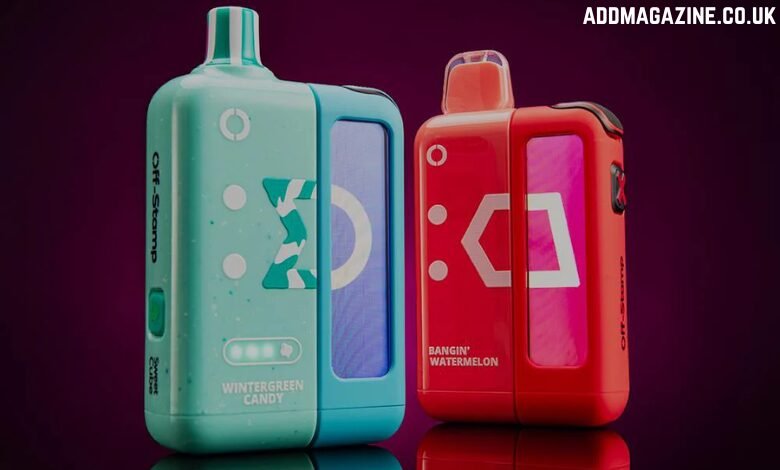
A modular pod system is a two-part device. The body is a rechargeable battery, usually USB-C, often with a small screen showing battery level and puff count. The consumable is a sealed pod containing the e-liquid and the coil. When the pod is empty, the user removes it and inserts a new one. The hardware stays. Off Stamp’s modular kits and pods illustrate the format directly: the SW16000 kit pairs a 900mAh battery with replaceable 16,000-puff pods running 50mg salt nicotine on a dual mesh The X Cube model comes with a 2.25-inch color screen, three adjustable power settings, customizable airflow, and pods capable of 25,000 puffs Both are designed so the battery outlasts dozens of pod replacements, which is the foundation of the cost and waste argument that follows.
What to Look For in Pod Capacity and Coil Design
Two specs do most of the heavy lifting on a pod system spec sheet. The first is pod capacity, measured in puffs and sometimes in millilitres of e-liquid. A 600-puff disposable, the legal pre-ban standard for single-use, was equivalent to roughly 2ml of liquid. A modern modular pod at 16,000 or 25,000 puffs holds 12 to 18ml. The second is coil design. Single-coil disposables tended to fade in flavour after the first day or two of use; dual mesh coils, now common across modular pods, are designed to maintain consistent vapour and flavour across the whole life of the pod rather than only its first quarter. These are not exotic features. They are the baseline buyers should now expect.
Buying From a Trustworthy Retailer
The retail picture changed alongside the product. With petrol stations and corner shops out of the disposable trade, dedicated vape stores and online specialists now hold a much larger share of the market. That shifts the burden onto the buyer to recognise which sellers are legitimate. The practical signals around spotting a trustworthy vape retailer start with verified product authenticity, transparent return policies, age-verification at checkout, and clear sourcing information on each listing. The same checks apply whether the buyer walks into a high-street shop or scrolls through a UK-registered online store.
Why Online Specialist Shops Have Grown
The other beneficiary of the shift has been online specialist retail. Modular systems carry far more SKUs than disposables ever did: multiple battery models, dozens of pod flavours, replacement parts, and accessories. A corner shop cannot stock the depth that a dedicated online catalogue can. The same dynamic is visible across other niche categories, and reporting on trends in buying niche products online shows why specialist retail tends to win share whenever a category becomes technical or expert-led. For vape hardware, where users want to compare battery capacity, pod yield, and coil specs side by side, the online format favours sellers who can present that information in one place.
The Environmental Argument Behind the Switch
Disposables sat at the centre of the environmental case for the ban. Local authorities reported millions of single-use devices ending up in litter or general waste each week, with the lithium battery inside each one classed as hazardous. Modular systems address the volume problem mechanically: one battery, swappable pods. The wider behavioural picture also points the same way. The latest ASH adult vaping survey puts current vaping prevalence at 10% of Great Britain’s adults, around 5.5 million people, with disposable use already in decline before the ban took effect. That trajectory matters because legislation rarely changes a behaviour it has not already started shifting; the ban accelerated a switch that was underway, not one imposed cold.
Where the Market Goes Next
A consensus has formed quickly among manufacturers. The next 12 months are likely to bring more refillable pod options at lower price points, longer-lasting batteries, and broader availability of replacement components rather than full-kit replacements. Retailers are already competing on pod-flavour range and bundle pricing now that the disposable price-anchor has been removed. The Tobacco and Vapes Bill, currently moving through Parliament, will introduce further measures around packaging and flavour marketing aimed primarily at reducing youth uptake; modular hardware itself is not the target.
The disposable vape era ended faster than most retailers expected. What replaced it is a more durable, more configurable, and arguably less wasteful category of device, with modular pod systems setting the new default. For users moving across, the practical advice is straightforward: pick a kit with a battery capacity matched to daily use, choose pods on coil design and capacity rather than novelty flavour, and buy from a retailer who can show the brand’s full range and warranty terms. Brands building around the modular format, with Off Stamp’s two-product line as a clear example, are now competing on hardware specs and pod longevity rather than on the throwaway price point, which is the shift the ban was designed to push the market toward.
The ban itself will continue to draw enforcement headlines through the year, but the more important story is the structural one. A category designed to be discarded has been replaced by one designed to be kept. That change in default, small as it sounds, is what reshapes how the UK vape market spends, sources and disposes over the next decade.