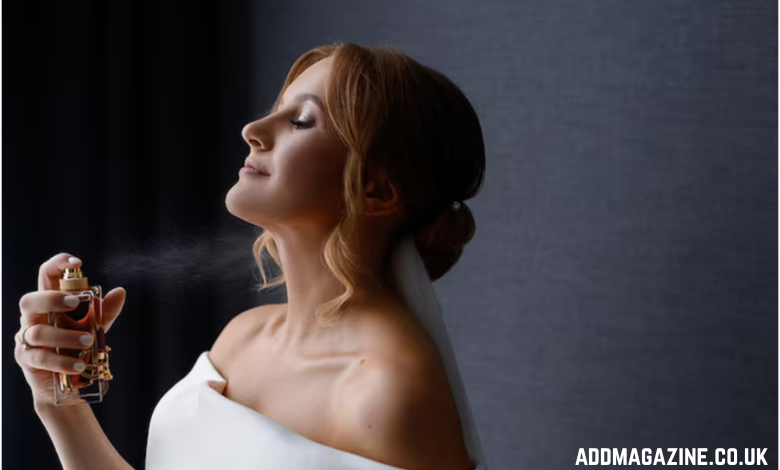
The world of “women’s perfume” is a complex and artful blend of science, luxury, and history, a symphony of scents that speak of identity and personal expression. Since ancient times, fragrances have served not only as a means of adorning oneself but also as a storytelling medium, reflecting one’s personality, mood, and even social standing. The evolution of perfume is not just about pleasant smells; it encompasses culture, fashion, and innovation, making it a fascinating subject to explore.
The Historical Context of Perfume
Historically, the allure of perfume can be traced back thousands of years to ancient civilisations such as Egypt, Mesopotamia, and Persia, where it was used in religious rituals and personal grooming. Cleopatra herself was renowned for her use of fragrance, which she utilised to seduce and charm those around her, setting a precedent for the seductive reputation that scents hold today. Over time, perfume became a symbol of luxury and power, its use spreading through Roman and Greek cultures, aided by advances in trade and exploration.
Ingredients and Craftsmanship
At its core, the art of creating a fine women’s perfume requires a meticulous selection of ingredients, often the pinnacle of artistry and sophistication. Natural essential oils extracted from flowers, spices, herbs, and other botanical elements provide the foundation of many traditional perfumes. These natural elements are complemented by synthetic molecules in modern perfumery, leading to innovative and unique compositions not found naturally in the world. Notes such as citrus, floral, woody, and amber create a diverse olfactory palette from which perfumers craft their works.
Understanding Fragrance Notes
Fragrances are often described in terms of their top, middle, and base notes, a structure that determines how they develop over time. Top notes are the initial, most volatile elements that greet your senses immediately upon application but dissipate quickly. These are often fresh, citrus, or light floral scents like bergamot or lavender. Middle notes, also known as the heart of the perfume, emerge once the top notes fade. These scents are well-rounded and typically consist of more substantial floral or spice elements. Finally, the base notes form the perfume’s foundation, providing depth and longevity with heavier, richer scents such as musk, vanilla, or sandalwood.
The Science of Scent
Understanding the olfactory system—the means by which humans perceive and interpret scents—is critical for appreciating the intricacies of women’s fragrances. When a scent molecule is inhaled, it travels into the nasal passage, where it binds to olfactory receptors. This interaction sends signals to the brain, which identifies and categorises the scent based on previous experiences and associations. This explains how perfume can trigger memories and emotions, establishing its powerful connection to personal nostalgia and affinity.
Perfume and Personal Identity
Fragrance is deeply personal, a reflection of one’s inner self and a tool for enhancing individual identity. Choosing a signature scent involves consideration of personality traits, daily lifestyle, and even specific moods. For some, a perfume is selected to evoke strength and confidence in a professional setting, while others might choose a scent that reflects romanticism and elegance for personal occasions.
The Influence of Fashion and Celebrities
The intersection of fragrance and fashion is a seamless blend of art forms, with designers like Chanel, Dior, and Armani at the forefront of pioneering signature scents that align with their clothing lines. The influence of celebrities and digital media also plays a significant role in shaping modern perfume trends. Endorsements by well-known figures lend a certain lifestyle allure to fragrances, driving customer engagement and preference.
Sustainability and Innovation in Perfumery
As global awareness around environmental sustainability grows, the perfume industry is increasingly embracing eco-friendly practices. The use of renewable resources, ethically sourced raw materials, and innovative methods such as alcohol-free perfumes highlights the commitment of many brands to reduce their ecological footprint. This shift reflects a broader consumer demand for transparency and responsibility in luxury goods, driving innovation that seeks harmony with nature while still delivering the captivating allure of perfume.
Understanding Perfume Concentrations
Beyond scent profiles and personal preference, a key consideration in choosing a woman’s perfume is its concentration, which determines both intensity and longevity. There are several main types: Eau de Cologne, Eau de Toilette, Eau de Parfum, and Parfum, each offering varied proportions of fragrance oil relative to alcohol. Parfum presents the highest concentration, providing the longest-lasting scent, whereas Eau de Cologne is more subtle and suitable for everyday wear..
The Future of Perfumery
Advancements in technology continue to push the boundaries of traditional perfumery, presenting exciting possibilities for future developments. New extraction methods and molecular advancements allow for more precise scent reconstruction, opening potential for fragrances that perfectly mimic natural scents without traditional limitations. Moreover, digital and personalised marketing strategies empower consumers to discover fragrances tailored to their tastes through virtual consultations and online platforms.
With its rich history, scientific intricacies, and ongoing innovation, the world of women’s perfume continues to captivate and intrigue both enthusiasts and casual users alike. Each fragrance is a work of art, an invisible accessory that transcends the ordinary and invites the wearer to embark on a journey of personal expression and sensory exploration.