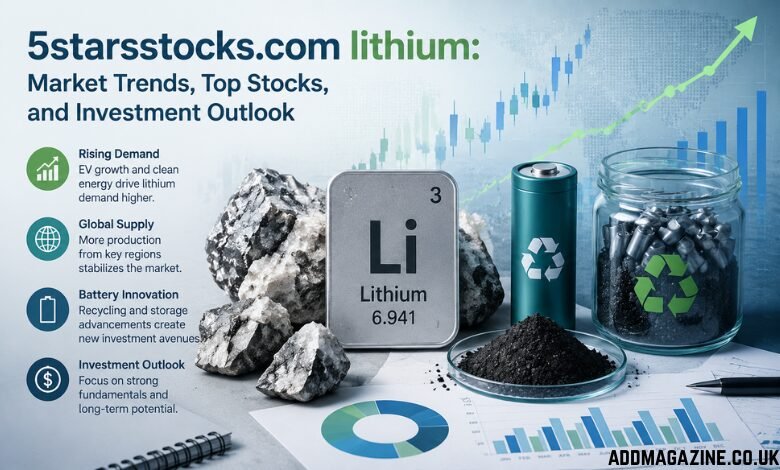
In 2026, the lithium market is evolving. As the world moves toward sustainable energy solutions, lithium has cemented its role as a crucial resource, especially for electric vehicles (EVs) and energy storage systems. While the industry’s growth potential is clear, navigating its complexities requires understanding the balance between demand, supply, and technological advancements.
Lithium’s Growing Role in Energy Transition
Lithium plays a central role in the global shift toward clean energy. As governments and consumers increasingly turn to electric vehicles to reduce carbon footprints, lithium-ion batteries remain the preferred energy storage solution. The rising demand for EVs and renewable energy storage is fueling the need for lithium, which is expected to remain strong in the coming decades.
Nonetheless, this growing demand comes with its own set of challenges. Global production must keep pace with growing consumption, and maintaining a stable supply chain requires overcoming various obstacles. Geopolitical tensions, regulatory changes, and fluctuations in mining output can impact supply and, consequently, prices.
Market Shifts and Investment Opportunities
As the market matures, there are new opportunities for investors, particularly those focusing on companies with established operations and cost-effective production methods. The increasing number of lithium-producing regions around the world, including Australia, Chile, and emerging markets in Africa, are helping to ease concerns about supply shortages.
Investors are advised to focus on companies that have demonstrated operational efficiency and long-term growth strategies, rather than chasing speculative stocks. Established players in the lithium space, such as Albemarle and SQM, have shown resilience, even during periods of market instability. These companies have invested in optimizing production methods and securing long-term contracts with major automotive manufacturers, giving them a competitive edge.
Technological Disruptions and Risks
While lithium’s demand remains strong, the potential for technological disruptions cannot be ignored. Advances in alternative battery chemistries, such as solid-state batteries, could reduce lithium dependency. As researchers explore new materials and technologies, there is a possibility that lithium could lose some of its market share to other elements.
Another risk for investors is regulatory uncertainty. Governments worldwide are introducing stricter environmental regulations that could affect lithium extraction and production processes. These regulations could raise production costs, impact company profits, and create volatility in the market.
The Role of Battery Recycling
One of the most promising areas of growth within the lithium industry is battery recycling. As the number of EVs and energy storage systems grows, so does the need to recycle batteries efficiently. Lithium recycling technology is advancing, and this could help ease supply concerns by reducing the need for new raw material extraction.
Recycling also offers an opportunity for companies to reduce costs and improve sustainability. As consumers and governments push for greener solutions, companies that invest in recycling infrastructure may gain a competitive advantage in the market.
Long-Term Outlook for Lithium
Despite short-term market fluctuations and risks, the long-term outlook for lithium remains positive. The global push for cleaner energy solutions ensures a sustained demand for lithium, especially in the context of electric vehicles and renewable energy systems. However, investors must be prepared for the cyclical nature of the industry, where periods of growth may be followed by downturns.
The key to successful investment in lithium lies in balancing optimism with caution. Investors should seek out companies with strong fundamentals, efficient production processes, and a clear vision for navigating the industry’s future challenges. Diversifying investments and staying informed about technological advancements and regulatory changes will help mitigate risks and capitalize on opportunities in this dynamic sector.
Conclusion
The lithium market presents significant opportunities driven by the global shift towards electric vehicles and renewable energy. However, the industry’s maturity brings both stability and new challenges, including technological disruptions and regulatory hurdles. Investors need to focus on companies with strong operational efficiency and cost-effective production to navigate these complexities and ensure long-term growth.
As demand for lithium remains strong, particularly in the context of battery technologies and energy storage, investors should approach the sector with caution. By staying informed on market trends, diversifying their portfolios, and monitoring regulatory changes, investors can make strategic decisions that position them for success in this ever-evolving industry.