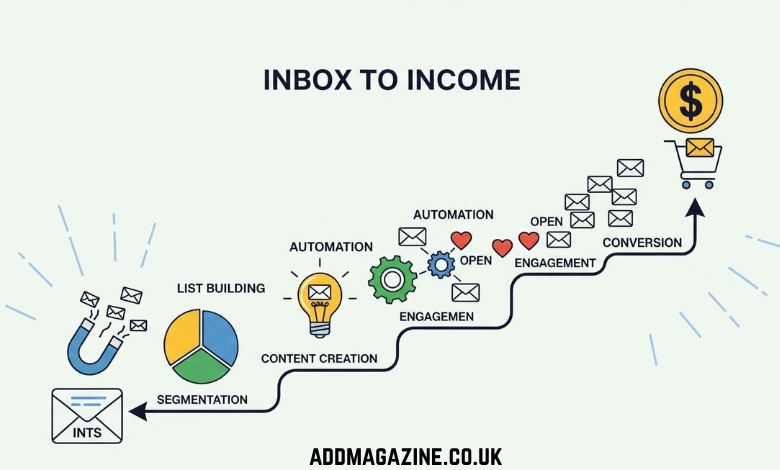
TL;DR Building an email strategy that grows with your business requires more than just hitting send. This guide covers how to lay the right foundation, segment your audience, and automate your messaging for maximum impact.
Summary:
- Establish a strong technical foundation to ensure your messages actually reach the inbox.
- Secure a custom domain to build trust and professional credibility right from the start.
- Segment your audience based on behavior, role, and funnel stage for better relevance.
- Write subject lines and body copy that focus entirely on the reader’s needs.
- Automate your core messaging workflows without losing your brand’s human touch.
Email remains one of the absolute best ways to grow your business. However, there is a massive difference between sending occasional updates and running a fully optimized machine. Many businesses send messages regularly, but very few have a documented, scalable plan in place.
This is especially true in B2B marketing, where a verified, well-maintained email database is the foundation of every high-performing campaign.
It all starts with a credible Business Email, without one, even the best strategy lands straight in the spam folder. When you have the right pieces in place, you can build a system that runs in the background, nurtures your leads, and brings in sales around the clock. Let us walk through the exact step-by-step framework you need to build a highly profitable, scalable email engine.
1. Strengthening Your Digital Handshake
Before you can scale your marketing, you have to fix the cracks in your foundation. Many small businesses start their outreach using generic, free email addresses. While this works for talking to friends, it completely erodes trust when you speak to potential clients.
Beyond appearances, a weak foundation damages your deliverability. You might spend hours writing the perfect newsletter, only to have it blocked by Gmail or Outlook before your customer ever sees it.
Furthermore, many teams start sending messages without any defined goals. To build a true business email strategy, you have to move past the “batch and blast” method.
2. Laying the Technical Foundation for Deliverability
Your infrastructure dictates whether your messages make it to the inbox or disappear into the void. The very first step is moving away from generic addresses.
You can easily get this running using a platform like Wix, which is a great option for setting up a professional business email tied directly to your custom domain. To do this properly, anyone can use a domain owner lookup tool and find which ones are available and suit your needs.
After securing your custom address, you have to set up the technical records that prove you are who you say you are. This involves three main acronyms: SPF, DKIM, and DMARC.
Think of SPF as your guest list. DMARC gives the receiving server instructions on what to do if a message fails the first two checks. Setting these up only takes a few minutes in your domain settings, and they are absolutely essential for making sure your campaigns reach your audience reliably.
3. Precision Targeting: Quality Over Quantity
A massive list means nothing if the people on it do not care about your message. Quality list-building focuses on attracting people who genuinely want to hear from you. For outbound list-building, mastering finding addresses can give you a real edge over teams relying on purchased, outdated databases.
Once people join your list, you have to organize them properly. Treating every subscriber exactly the same is a massive missed opportunity. You have to divide your audience into specific groups so you can send them highly relevant information.
Here are four highly effective ways to segment your list:
- By behavioral engagement: Group your readers based on how they interact with your messages. Create a segment for people who open every message, and a different segment for people who have not clicked a link in three months. You can reward your active readers and try new, bolder strategies to re-engage the quiet ones.
- By buyer persona or role: If you sell B2B software, the CEO cares about saving money, while the daily user cares about saving time. Send completely different messaging to these two groups based on their specific priorities and job titles.
- By past purchase history: If a customer buys a coffee machine from you, they do not need another email about coffee machines. They need emails about filters, beans, and cleaning supplies. Segmenting by purchase history makes your recommendations incredibly helpful and timely.
For a deeper look at how to leverage B2B segmentation for maximum conversions, explore Ampliz’s guide on targeted email marketing.
4. Writing Email Copy That Drives Action
A strong email setup helps your message reach the inbox, but the right wording makes people open, read, and click. Email copy should feel direct, useful, and natural. Since your message lands in someone’s private inbox, it should sound more like trusted advice and less like a loud advertisement.
The subject line comes first. Keep it short and clear, especially for mobile users. A vague subject line such as “Marketing update” gives people no strong reason to click. A better option would be “3 simple ways to improve open rates this week” because it clearly shows the benefit.
Preview text also matters. This small piece of text appears beside or under the subject line in many inboxes. Use it to support your subject line, create interest, or explain what the reader will gain by opening the email.
For the main email content, keep everything easy to read. Use short paragraphs, simple wording, clear spacing, and important highlights where needed. Most readers scan emails quickly, so your message should be easy to understand within seconds. Also, focus on one main call to action. Asking readers to visit your blog, follow your page, download a guide, and buy a product in the same email can confuse them. Give them one clear next step and make that action easy to take.
5. Growing Your Email Strategy with Smart Automation
When your email list becomes larger, sending every message by hand is no longer practical. Automation helps you communicate with more people while still delivering relevant messages at the right time. The key is to make automated emails feel personal, helpful, and connected to the reader’s needs.
A welcome email sequence is one of the most important automations for any business. When someone joins your list, their interest is fresh. Use this moment to introduce your brand, explain what they can expect, and share your most useful content. A simple series of three to five emails can build trust from the beginning.
Post-purchase emails are also valuable. After a customer buys something, send a thank-you message, helpful usage tips, product guidance, and later a review request.
As your email volume increases, your emails should continue to feel safe and trustworthy. Avoid spam-like language, too many exclamation marks, all-caps text, and pushy sales claims. Clean design, consistent branding, and a helpful tone make readers feel confident that your emails are genuine and worth opening.
Final Thoughts
A strong email marketing system depends on a few important foundations: reliable technical setup, a professional business domain, smart list segmentation, clear copywriting, and useful automation. Good infrastructure and relevant targeting often matter more than clever wording alone. Build the basics first, then improve your content and workflows step by step.
To generate better B2B email leads, use a planned and data-focused approach. Follow proven email lead generation methods that help businesses attract qualified prospects and turn them into real opportunities.
Frequently Asked Questions
What is the difference between a business email and a personal email for marketing?
A personal email, such as a Gmail address, is mainly designed for individual use. A business email uses your own domain, such as yourcompany.com. It looks more professional, builds trust, and allows proper authentication settings that help your messages reach inboxes more reliably.
How often should I send marketing emails?
It is better to send emails consistently than to send too many at once. One useful email every week is usually better than sending several emails one week and staying silent the next. Start with a weekly schedule and review your open rates, clicks, and unsubscribes to decide what works best.
What is the quickest way to build an email list from zero?
Offer something valuable in exchange for an email address. This could be a checklist, short guide, free training video, discount code, or useful template. Promote it on your website, social media pages, and other customer touchpoints.
How can I know if my email strategy is working?
Check important performance numbers such as open rate, click-through rate, conversion rate, unsubscribe rate, and revenue or leads generated. Opens show interest, clicks show engagement, and conversions show whether your campaign is producing real business results.
Can I create email automation without expensive software?
Yes. Many email platforms offer basic automation tools on free or low-cost plans. You can create welcome emails, simple follow-up sequences, abandoned cart reminders, and basic customer tagging without needing expensive enterprise software.