Winter weather can be challenging in the UK, particularly when moderate snow and ice warnings are issued. These warnings often signal hazardous outdoor conditions, such as slippery pavements and untreated roads, that increase the risk of slips, trips, and falls. During these weather events, many people wonder how they can maintain their health and wellbeing while staying safe indoors. In this article, we’ll explore what a moderate snow and ice warning means, how it affects daily life, and how you can stay active and healthy indoors during these conditions.
Understanding Moderate Snow and Ice Warnings: What They Mean for Your Safety and Health
A moderate snow and ice warning typically indicates that the weather conditions are hazardous and may affect travel and daily routines. These warnings are issued when:
- Slippery pavements and untreated roads increase the risk of accidents.
- Higher risk of falls and injuries due to ice.
- Travel disruptions and delays caused by snow or icy conditions.
- Increased caution needed in the early mornings and evenings when ice is hardest to see.
Authorities often advise that unnecessary outdoor activities be postponed or minimized during these warnings to prevent injury. Even though staying indoors is a safer choice during such conditions, it can lead to reduced physical activity, which, in turn, can affect both physical and mental health.
The Impact of Snow and Ice on Physical Activity
During snow and ice warnings, many regular activities, such as outdoor walks, runs, and even trips to the gym, can become dangerous or impractical. This reduction in physical movement can lead to several health challenges, including:
- Stiffness in joints and muscles from lack of movement.
- Reduced circulation as outdoor activity is limited.
- Lower energy levels due to inactivity.
- Weight gain resulting from a sedentary lifestyle.
- Negative effects on mental health including stress, anxiety, and seasonal depression.
Even short disruptions in daily movement can have a significant impact on your overall health. The longer you remain inactive, the greater the risk of developing muscle tightness and reduced mobility, especially during colder months when energy levels naturally dip.
How to Stay Active Safely at Home
While it may not always be safe to venture outside, it is still possible to stay active indoors during a snow or ice warning. In fact, indoor movement can be a crucial part of maintaining your health and wellbeing. Here are several effective ways to stay active safely:
1. Walking Indoors
One of the simplest and safest ways to stay active indoors is by walking around your home. You don’t need to take long, strenuous walks to get the benefits. A brisk walk around your living room or kitchen can help keep your joints mobile and your blood circulating.
2. Cycling Indoors
If you have a stationary or foldable exercise bike, it’s an excellent low-impact cardio option. Indoor cycling provides an effective workout without putting strain on your joints or risking injury from ice and snow. Many people use exercise bikes in the mornings or evenings, especially during winter when outdoor walking or running is risky.
3. Strength Training
Maintaining muscle mass is especially important during the colder months when outdoor cardio activities may be limited. You can easily perform light strength exercises indoors, such as:
- Resistance band exercises
- Bodyweight exercises like squats, lunges, and push-ups
- Using light dumbbells for strength training routines
These exercises help you stay strong, maintain healthy muscles, and improve flexibility, all while staying safe indoors.
4. Stretching and Mobility Routines
During winter, stiffness and tight muscles can become a problem due to lack of movement. Incorporating stretching and mobility exercises into your daily routine helps prevent muscle tightness and supports overall flexibility. Yoga or Pilates routines can be particularly beneficial, as they improve both physical and mental health.
Indoor Fitness Equipment: Compact and Convenient Options
Many people are turning to compact, indoor-friendly fitness equipment to stay active during winter weather disruptions. These tools are designed to fit smaller spaces, making them ideal for use in homes where gym access may be limited. Some popular indoor fitness options include:
- Compact Walking Pads: These portable walking machines allow you to walk indoors while keeping your fitness levels up. They are compact and simple to store away when not being used.
- Foldable Exercise Bikes: These bikes provide low-impact cardio and can be stored away when not in use. They are perfect for small spaces and allow for easy integration into home workouts.
- Resistance Bands: Lightweight and versatile, resistance bands are great for full-body workouts, including strength training, mobility, and flexibility exercises.
- Adjustable Dumbbells: Adjustable dumbbells allow for a wide range of strength exercises without taking up much space. They are ideal for maintaining muscle mass during the colder months.
These tools are not only effective but also allow for easy integration into a work-from-home routine. This flexibility is important during snow and ice warnings when the option to leave home may not be feasible.
The Importance of Consistency Over Intensity
During snow and ice warnings, the key to staying active indoors is consistency, not intensity. Pay attention to your body’s signals and avoid pushing yourself too hard to prevent unnecessary strain. Short, regular sessions of low-impact exercise are sufficient to maintain your health and prevent the negative effects of inactivity.
Here are a few helpful tips for staying active safely during winter weather:
- Break exercise into short sessions: If you’re pressed for time or space, try doing shorter sessions of 10–20 minutes throughout the day.
- Prioritize warm-ups and stretching: Cold weather can make your muscles more prone to injury, so always take time to warm up before starting your workout.
- Avoid high-impact exercises: Focus on gentle, controlled movements to reduce the risk of injury.
- Wear supportive footwear indoors: If you’re walking or exercising indoors, be sure to wear shoes that provide proper support to avoid strain.
Even small amounts of movement every day can help keep you energized, reduce stiffness, and improve mood.
The Mental Health Benefits of Staying Active
Physical activity isn’t just about the body; it also has a profound impact on mental health. Regular movement can help:
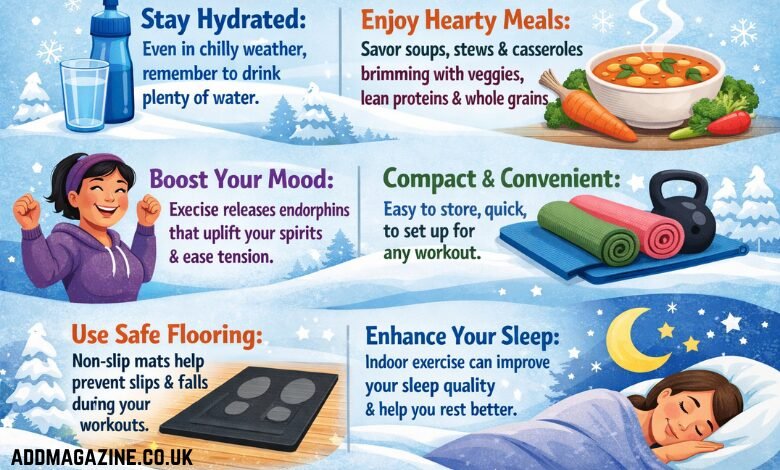
- Lift your spirits: Exercise triggers the release of endorphins, helping to elevate your mood and minimize stress.
- Reduce anxiety: Exercise can help manage anxiety and alleviate symptoms of seasonal affective disorder (SAD), which is common during the winter months.
- Enhance your sleep: Regular indoor activity can improve sleep quality by helping to balance your circadian rhythm.
- Combat winter fatigue: Even light movement can help you overcome the sluggishness and fatigue that often accompany cold weather.
During periods of snow and ice warnings, staying active indoors can help prevent the winter blues and keep you feeling balanced and energized.
Embracing Winter Fitness Trends
As the winter months grow colder and more unpredictable, a significant shift is occurring in how people approach their fitness routines. The trend toward home-based exercise solutions has been steadily rising, and moderate snow and ice warnings have accelerated this transition. More households are opting for compact, space-efficient fitness equipment that can be easily integrated into their daily lives, allowing them to stay active without stepping outside.
For many, the convenience of working out at home during snow and ice warnings is not only safer but also more practical. This shift is contributing to a broader trend of fitness becoming more personalized and adaptable to individual lifestyles. The modern winter workout routine no longer requires a trip to the gym or outdoor space; instead, it involves making smart choices about how to move within the comfort and safety of your own home.
Creating an Indoor Fitness Space
If you’re considering adapting to winter weather conditions and staying active indoors, creating a dedicated workout space within your home can enhance your experience. Here are a few tips to help you design an indoor workout area:
- Choose the Right Location: Select a space with enough room to move freely, such as a living room, basement, or spare bedroom. If you don’t have extra room, even a corner in your bedroom or a section of the living room can work.
- Non-Slip Surfaces: For added safety during workouts, use non-slip mats or durable gym flooring to avoid accidents, particularly during active exercises.
- Compact Equipment Storage: Use storage solutions like wall hooks, foldable racks, or storage bins to keep your equipment organized and out of the way when not in use.
- Good Lighting: Adequate lighting is essential for creating a pleasant workout atmosphere. Natural light can help boost your mood, but if you’re exercising in the evening, make sure your space is well-lit to reduce the risk of injury.
- Create a Motivating Environment: Adding motivational posters, a Bluetooth speaker, or a fitness tracker to track your progress can help keep you engaged and motivated during your indoor workouts.
Balancing Physical and Mental Wellbeing
While staying active during snow and ice warnings is important for physical health, it’s also essential to recognize the mental health benefits of exercise. As winter conditions can sometimes lead to feelings of isolation or sluggishness, regular movement can provide a sense of accomplishment and emotional relief. The physical activity that you engage in, even if it’s light or low-intensity, can work wonders for combating seasonal blues and promoting mental clarity.
Indoor exercise, with its gentle impact on both body and mind, is especially important when access to outdoor spaces is limited. Whether you are engaging in mindful stretching, following along with a yoga routine, or simply taking a few moments to walk around your home, these activities have the potential to enhance your mood, alleviate stress, and promote overall well-being with regular physical activity and mindful movement.
In addition, being consistent with your routine can help you develop a healthier mindset that extends beyond just fitness. Setting small goals and celebrating your achievements – even if they are as simple as completing a 20-minute workout – fosters a positive attitude and a sense of control during uncertain times. Maintaining a healthy routine, especially in the colder months, gives you something to look forward to, providing a feeling of stability in a season often marked by unpredictable weather.
The Role of Nutrition in Winter Fitness
During winter, the combination of physical inactivity and colder weather can also affect your eating habits, making it more challenging to maintain healthy nutrition. When staying indoors for extended periods, people are more likely to snack mindlessly, which can lead to unhealthy eating habits and potential weight gain.
To complement your indoor exercise routine, focusing on balanced and nutritious meals is essential for keeping your energy levels up. Here are some tips for managing your diet during winter:
- Stay Hydrated: Even in chilly temperatures, maintaining hydration is essential for keeping your energy levels and health in check. Hot herbal teas, soups, and water-based drinks like lemon water can help keep you hydrated while providing warmth and comfort.
- Opt for Warm, Nutrient-Dense Meals: Comfort food doesn’t have to mean unhealthy eating.
- Increase Healthy Fats: Foods rich in omega-3 fatty acids, such as salmon, walnuts, and flaxseeds, can support joint health and reduce inflammation during the colder months.
- Incorporate Seasonal Vegetables: Root vegetables, leafy greens, and cruciferous vegetables are abundant in the winter and provide essential vitamins and minerals. Incorporate them into your meals for added nutritional benefits.
- Avoid Overindulgence: While winter treats like hot chocolate and pastries are tempting, try to keep indulgent snacks to a minimum. Instead, opt for healthier alternatives that provide satisfaction without the excess calories.
By focusing on proper nutrition, you will fuel your body for your indoor workouts and help maintain your energy levels throughout the day, especially when dealing with snow and ice conditions.
Conclusion
In conclusion, while a moderate snow and ice warning in the UK can lead to hazardous outdoor conditions, it doesn’t have to stop you from staying healthy and active. By incorporating safe, low-impact exercise into your daily routine and using compact fitness equipment, you can maintain your physical and mental wellbeing during winter weather events.
Whether it’s a quick walk around your home, a light cycling session, or a few strength training exercises, consistency is the key. By staying active indoors, you can prevent the negative effects of inactivity, such as stiff joints and reduced circulation, and ensure that you continue to stay healthy throughout the winter months.
Remember, the goal is not to push your limits but to stay safe, active, and consistent until the weather improves. With a little planning and the right tools, you can stay on track with your fitness goals and emerge from the winter months feeling stronger and more energized.