The UK digital market is becoming more complex because of fast technological advances and increasing industry competitive dynamics. Developing a comprehensive digital transformation strategy has become essential for businesses because they need to attract customers and keep them engaged.
Organisations are moving beyond basic tool implementation because they need to completely transform their business operations, customer interaction methods and value creation processes within digital settings.
This article explores the key trends influencing the market, the core digital strategies UK brands use to stay ahead, and the technologies that support their growth. It also highlights the main challenges businesses face and what the future may hold for those navigating this dynamic space.
The UK Digital Market: Key Trends
The UK digital market undergoes rapid evolution because of two main factors: changing consumer expectations and technological progress. Luminary Brands digital company in the UK, is one example of how businesses are adapting to this fast-moving environment.
The rise of eCommerce together with omnichannel experiences, demonstrates that customers now expect retailers to deliver seamless experiences that connect their digital and physical store operations.
Mobile-first consumer behavior now drives the development of digital products which require designers to prioritise fast performance together with easy-to-use functions.
Another key shift is data privacy and regulation (GDPR impact) which requires organisations to disclose their data handling practices while establishing credibility through ethical data management.
The growing importance of AI and automation enables companies to create personalised customer experiences while boosting operational productivity and maintaining their market position.
Core Digital Strategies Used by UK Brands
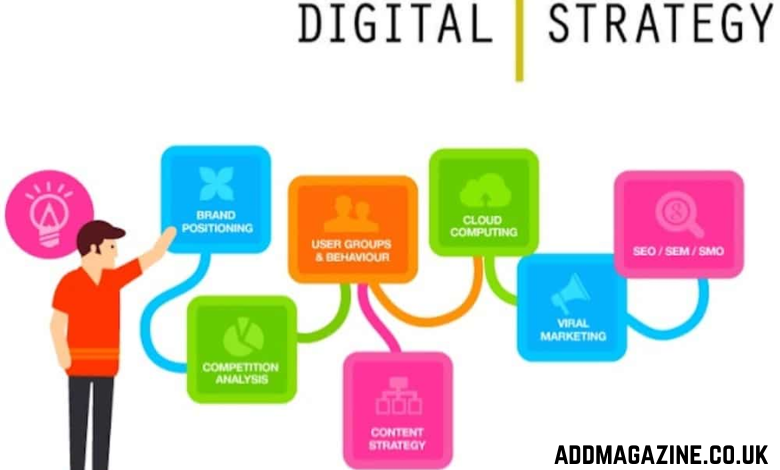
To remain competitive in the market UK brands are moving beyond fragmented digital efforts and starting to implement organised strategies that focus on achieving specific results. The system requires organisations to build a unified framework that connects their technological needs with customer experience delivery and business objectives.
Omnichannel Customer Experience
The fundamental basis of this method involves creating a smooth connection between digital and physical customer interactions. Customers, whether in retail or banking, expect to switch effortlessly between apps, websites and physical locations.
The establishment of consistent experiences between different touchpoints creates stronger customer loyalty and better conversion results.
Data-Driven Decision Making
Modern businesses today depend on data analysis to create their operational strategies and business objectives. Through analytics and customer data platforms, brands gain the ability to analyse user behavior and create tailored experiences while forecasting their upcoming requirements.
Investment in AI and Automation
A growing number of companies are turning to AI and automation to improve both performance and scalability. The tools which include chatbots and recommendation systems help businesses to operate more efficiently while providing customers with faster and more suitable service.
Strong Digital Branding & Content Strategy
The establishment of a digital presence that people can recognise and interact with has become an essential requirement for businesses.
Through social media activity, influencer partnerships and the creation of high-quality content which includes blogs and videos, brands establish their presence in the market while sustaining constant contact with their target audience.
Agile Product & Innovation Culture
Companies today need to operate with flexible systems because their success depends on fast operations. The business experiments with fast A/B testing and MVP development to create a collaborative environment which enables them to improve their products while staying adaptable to market changes.
Technology Stack & Tools Powering Growth
A digital strategy achieves success through its foundation which consists of a well-designed technology stack that delivers efficiency and scalability while providing stable customer interactions. UK brands are investing in tools that not only streamline operations but also enable faster growth and better decision-making.
- CRM systems
Customer relationship management systems serve as the foundation for managing interactions with clients. The tools enable businesses to monitor customer behavior through their centralised customer data system which also enhances communication and establishes personalised connections.
- Marketing automation platforms
The automation systems enable businesses to handle their advertising campaigns through different media platforms with improved accuracy. The platforms automate communication processes from email marketing through customer journey management which allows businesses to reach their audiences at the right time with appropriate content.
- eCommerce platforms
Modern eCommerce solutions provide their infrastructure to deliver uninterrupted and dependable online shopping experiences. The system helps brands to expand their business operations through its complete support of product management and payment processing while also enabling them to meet evolving customer requirements.
- Cloud infrastructure
Cloud technologies let operate more flexibly while maintaining operational resilience. Companies can use cloud services to store their data and run their applications which helps them to scale their resources as needed while achieving better performance and supporting innovation programs without needing to make large initial expenditures.
Challenges UK Brands Face
The digital transformation process has advanced significantly yet UK brands still face multiple challenges that hinder their ability to grow and maintain their competitive edge. Businesses need to adopt both technological solutions and new operational methods which include customer interaction approaches to solve these challenges.
- Market saturation
The UK market in multiple industries shows intense competition because many companies provide identical products and services. Businesses need to establish effective market positions that help them to develop new products that set them apart from their competitors. Firms need to spend more resources on building their brands and developing their unique selling points which will help them to attract customer interest.
- Rising customer acquisition costs
The cost of acquiring new customers has risen because competition in the market continues to grow. The crowded nature of paid channels requires businesses to improve their marketing strategies while they should concentrate on customer retention and lifetime value.
The current trend requires brands to develop permanent connections which will enable them to engage with their audiences for extended periods.
- Data privacy concerns
People have become more careful when sharing their personal information because they now understand data protection better. Companies need to achieve a balance between showing customers personalised content and maintaining transparent business practices that protect their data.
The organisation faces both legal threats and reputational harm because it did not meet the required standards.
- Legacy systems and digital transformation barriers
Established companies continue to depend on their existing systems which create operational constraints and hinder their ability to develop new innovations. Organisations need to invest time and resources and transform their processes to adopt contemporary digital systems.
The process will lead to operational disruptions and cause delays in advancing growth plans when there is no proper planning.
Future Outlook
The digital transformation process keeps accelerating, which requires UK brands to prepare for upcoming changes. Businesses need to adapt to two main forces that will shape their future operations, which consists of technological advancements and changing consumer needs.
Brands will use emerging technologies like AI, Web3 and AR/VR to create customised, immersive and decentralised interactions with their audiences.
At the same time, consumer expectations are becoming more demanding because they now require companies to provide products and services through extra convenient methods while maintaining product value and service transparency.
Over the next three to five years, digital ecosystems will achieve greater connectivity through increased data usage in decision-making processes. The development of new ideas will help companies to maintain their market position while their competitors who delay innovation will lose their competitive advantage.
Conclusion
The UK digital market needs companies to establish complete operational systems which combine customer experience design with data management and ongoing product development to maintain competitiveness.
The process of achieving success requires businesses to implement strategies that match their current market needs through operational integration of multiple channels, artificial intelligence solutions and their digital branding efforts.
Those who focus on flexibility, customer needs and modern technological solutions will achieve better results in handling upcoming challenges. Organisations now need to invest in digital infrastructure that can grow with their requirements because this investment has become a fundamental requirement for achieving the lasting success of a certain brand in the digital realm.