What Is a Food Paper and Why Does It Matters?
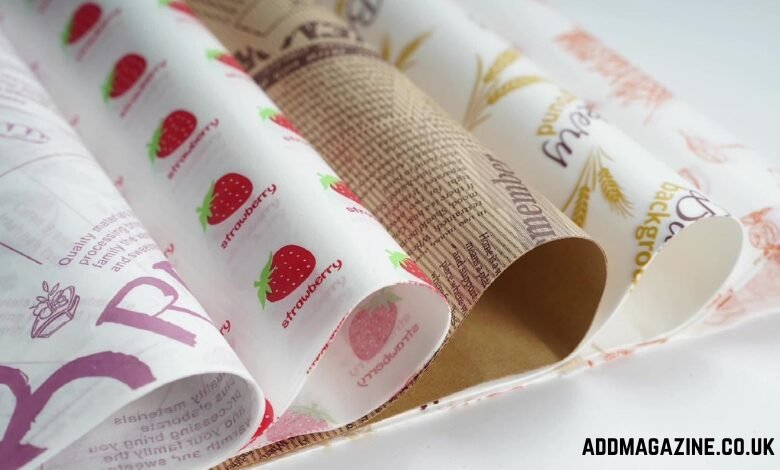
Food paper might seem like a simple kitchen essential, but it plays a powerful role in both cooking and food packaging. Whether you’re baking cookies, wrapping a sandwich, or presenting gourmet burgers, the right type of paper can make a noticeable difference in quality, safety, and presentation. Food paper is specifically designed to handle heat, moisture, grease, and even branding needs, making it far more advanced than regular paper. According to recent industry insights, kraft paper alone accounts for nearly 39.67% of the food packaging market in 2026, highlighting how crucial these materials have become.
Evolution of Food Packaging Paper
Food paper has come a long way from basic wrapping sheets to highly engineered materials tailored for specific cooking and storage tasks. In earlier times, simple wax-coated sheets were used for moisture protection. Today, innovations like silicone-coated parchment and grease-resistant coatings have revolutionized how we cook and store food. These advancements ensure that food stays fresh, doesn’t stick, and remains safe even at high temperatures. The evolution is driven not just by convenience but also by sustainability and health regulations.
Role of Custom Printed Food Paper in Branding
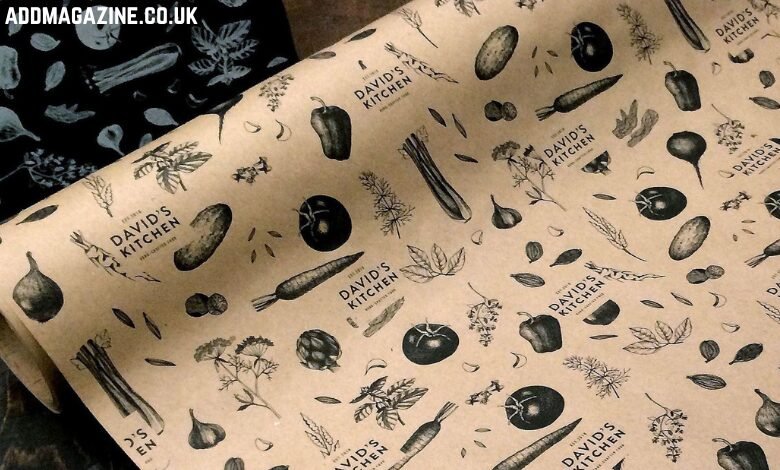
In modern food businesses, custom printed food paper is more than packaging—it’s a branding powerhouse. Imagine receiving a burger wrapped in paper featuring a restaurant’s logo and design. That small detail creates a memorable experience and builds brand identity. Businesses now invest in custom wax paper and custom kraft paper to enhance visual appeal while maintaining functionality. It’s like turning every meal into a marketing opportunity without saying a word.
Essential Considerations for Selecting the Right Food Packaging Paper
Choosing the right food paper isn’t just about grabbing whatever is available. Each type serves a specific purpose, and using the wrong one can lead to messy results—or worse, safety hazards.
Heat Resistance and Safety
For example, parchment paper can handle oven temperatures up to 420–450°F, making it ideal for baking. On the other hand, wax paper melts at relatively low temperatures and should never be used in the oven. Using the wrong paper in high heat can ruin your food and even create fire risks.
Moisture and Grease Resistance
Another essential consideration is how well the paper handles moisture and grease. Greaseproof paper is excellent for oily foods like pastries, while custom wax paper provides a moisture barrier for cold items. Understanding these differences helps you avoid soggy packaging or grease leaks.
Top 7 Types of Food Paper
1. Parchment Paper (Baking Paper)
Parchment paper is the go-to choice for baking enthusiasts, and for good reason. Coated with silicone, it provides a non-stick surface that ensures food releases easily without tearing or sticking. This makes it perfect for baking cookies, roasting vegetables, and even cooking delicate fish. The heat resistance of parchment paper allows it to withstand high oven temperatures, making it a staple in both home kitchens and professional bakeries.
What makes parchment paper truly stand out is its versatility. You can use it for lining baking trays, wrapping food for steaming, or even creating piping bags in a pinch. It’s like the Swiss Army knife of food paper. However, it’s important to note that while it’s heat-resistant, it shouldn’t be used under direct flames or broilers.
2. Wax Paper
Wax paper is one of the oldest and most widely recognized types of food paper. It is coated with a thin layer of wax, which makes it moisture-resistant and non-stick. This makes it perfect for wrapping sandwiches, lining countertops for messy cooking tasks, or storing baked goods. The wax coating prevents moisture from seeping through, keeping food fresh for longer periods.
However, wax paper has a major limitation—it cannot handle heat. The wax coating melts at relatively low temperatures, making it unsuitable for oven use. Despite this drawback, it remains a popular choice for cold storage and food preparation tasks due to its affordability and convenience.
3. Greaseproof Paper
Greaseproof paper is specifically designed to resist oil and grease, making it ideal for bakery items like muffins, pastries, and cookies. Unlike wax paper, it doesn’t rely on a coating but instead uses a dense paper structure that prevents grease from passing through. This makes it a cleaner and more efficient option for handling oily foods.
This type of paper is widely used in fast-food packaging and bakeries because it keeps food looking fresh and presentable. It’s also capable of handling moderate heat, which adds to its versatility. Think of it as the perfect middle ground between wax paper and parchment paper.
4. Kraft Paper
Kraft paper is known for its strength and durability, making it a favorite for food packaging. Produced through the kraft process, it has long fibers that provide excellent tear resistance. It’s commonly used for wrapping sandwiches, burgers, and takeaway meals. Its natural brown appearance also gives it an eco-friendly and rustic appeal.
Custom Kraft Paper Uses
Custom kraft paper is widely used in branding and packaging. Businesses print logos, patterns, and messages on it to create a unique identity. It’s not just functional—it’s visually appealing. From food trucks to high-end restaurants, custom kraft paper adds a professional touch while maintaining sustainability.
5. Freezer Paper
It features a plastic or wax coating on one side, which helps lock in moisture and prevent freezer burn. This makes it ideal for wrapping meats and other perishable items before freezing.
The durability of freezer paper ensures that it doesn’t tear easily, even in cold conditions. It’s thicker than most other food papers, providing extra protection. While it’s not suitable for high-heat cooking, it excels in preserving food quality over extended periods.
6. Butcher Paper
Butcher paper is commonly used in meat preparation and BBQ cooking. It’s breathable, allowing moisture to escape while still protecting the food. This makes it perfect for smoking meats, as it helps maintain a balance between moisture retention and airflow.
Unlike foil, butcher paper doesn’t trap steam, which can affect the texture of meat. Instead, it enhances flavor and creates a perfect crust. It’s a favorite among BBQ enthusiasts and professional chefs alike.
7. Glassine Paper
Glassine paper is a smooth, glossy paper that is resistant to grease and air. It’s often used for wrapping baked goods, candies, and snacks. Its translucent appearance adds a premium feel, making it popular in high-end packaging.
This type of paper is also environmentally friendly, as it is biodegradable and recyclable. Its ability to resist grease without additional coatings makes it a sustainable choice for food packaging.
Custom Printed Food Paper: A Modern Branding Tool
Custom printed food paper has transformed how businesses present their products. It’s no longer just about wrapping food—it’s about creating an experience. From logos to vibrant designs, custom printing allows businesses to stand out in a competitive market.
Benefits for Businesses
- Enhances brand recognition
- Improves customer experience
- Adds professional presentation
- Supports eco-friendly packaging trends
In a world where presentation matters as much as taste, custom printed food paper is a game-changer.
Comparison Table of Food Papers
| Type of Paper | Heat Resistance | Grease Resistance | Best Use | Reusable |
| Parchment Paper | High | Medium | Baking & roasting | Yes |
| Wax Paper | Low | Medium | Wrapping & storage | No |
| Greaseproof Paper | Medium | High | Bakery items | No |
| Kraft Paper | Low-Medium | Low | Packaging & wrapping | No |
| Freezer Paper | Low | High | Freezing meats | No |
| Butcher Paper | Medium | Medium | BBQ & meat preparation | No |
| Glassine Paper | Low | Medium | Snacks & candies | No |
How to Choose the Right Food Paper for Your Needs?
Choosing the right food paper depends on your specific needs. Are you baking? Go for parchment paper. Wrapping sandwiches? Wax or kraft paper works best. Storing meat in the freezer? Freezer paper is your best bet. Each type has its strengths, and understanding them ensures better results.
Think of food paper like tools in a toolbox—you wouldn’t use a hammer to tighten a screw, right? The same logic applies here. Using the right paper not only improves efficiency but also enhances the quality of your food.
Environmental Impact and Sustainability
Sustainability is becoming a major concern in the food packaging industry. Many food papers, especially kraft and glassine, are biodegradable and recyclable. Businesses are increasingly shifting toward eco-friendly options to reduce their environmental footprint.
The rise of custom wax paper and custom kraft paper also reflects this trend. These materials combine functionality with sustainability, making them a preferred choice for environmentally conscious brands.
Conclusion
Food paper is more than just a kitchen accessory—it’s an essential tool that impacts cooking, storage, and presentation. From the heat-resistant reliability of parchment paper to the eco-friendly appeal of kraft paper, each type serves a unique purpose. Understanding these differences allows you to make smarter choices, whether you’re a home cook or a business owner.