Selecting the right defibrillation system is a critical decision for hospitals, emergency services, corporations, and public institutions. Defibrillators are life-saving medical devices that must meet strict safety, performance, and regulatory requirements. Kuteras Teknoloji offers a comprehensive portfolio of automatic external defibrillators (AEDs), hospital-grade biphasic defibrillators, and OEM defibrillator modules, designed to meet diverse clinical and public safety needs.
This buyer’s guide outlines key criteria for selecting defibrillation technology and explains how Kuteras Teknoloji’s solutions address these requirements.
1. Intended Use and Deployment Environment
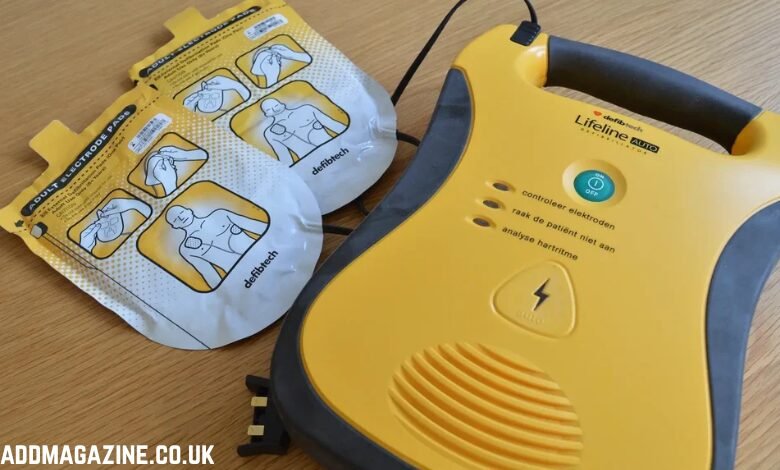
The first step in choosing a defibrillator is defining the intended use case. Public access defibrillation programs require easy-to-use AEDs, while hospitals and emergency medical services need advanced biphasic defibrillators with monitoring and pacing capabilities.
Kuteras Teknoloji provides:
- AEDs for public spaces, corporate facilities, and educational institutions
- Biphasic defibrillators for clinical environments such as emergency departments and ICUs
- OEM defibrillator modules for integration into third-party medical devices
Understanding the deployment environment ensures that the selected device meets functional and usability requirements.
2. Biphasic Waveform Technology and Energy Control
Modern defibrillators use biphasic waveforms, which deliver current in two phases to improve defibrillation success and reduce myocardial injury. Buyers should evaluate waveform technology, energy range, and charging speed.
Kuteras Teknoloji’s biphasic defibrillators are engineered for precise energy control, rapid charging, and waveform optimization. These features enhance clinical effectiveness and reduce patient risk.
3. Usability and Human Factors Engineering
Ease of use is critical, especially for AEDs deployed in public settings. Devices should provide clear voice prompts, intuitive interfaces, and automated decision support.
Kuteras Teknoloji integrates human-centered design principles into its AED platforms, including multilingual guidance, visual prompts, and automated rhythm analysis. These features help non-medical users perform defibrillation confidently during emergencies.
4. Monitoring and Advanced Clinical Features
Clinical defibrillators often require additional functionalities such as ECG monitoring, synchronized cardioversion, and transcutaneous pacing. Buyers should assess device capabilities based on clinical workflow requirements.
Kuteras Teknoloji’s hospital-grade defibrillators support advanced monitoring, data logging, and cardioversion modes. These features make them suitable for emergency departments, ambulances, and cardiac care centers.
5. Regulatory Compliance and Certification
Defibrillators are classified as high-risk medical devices and must comply with international standards such as IEC 60601, ISO 13485, ISO 14971, CE marking, and FDA clearance. Regulatory compliance ensures safety, reliability, and market acceptance.
Kuteras Teknoloji integrates regulatory requirements into its development process, enabling faster certification and global market entry. Buyers should verify certifications and documentation before procurement.
6. Total Cost of Ownership and Pricing
Defibrillator pricing varies depending on features, certifications, and service models. Buyers should consider total cost of ownership, including consumables, maintenance, training, and software updates.
Kuteras Teknoloji focuses on modular design and scalable manufacturing to deliver competitive pricing while maintaining high performance. Cost-efficient designs support broader deployment in both developed and emerging markets.
7. OEM Integration and Customization
Medical device manufacturers may require OEM defibrillator modules for integration into their platforms. Key evaluation criteria include form factor, interfaces, firmware APIs, and regulatory documentation.
Kuteras Teknoloji provides scalable OEM defibrillator modules with standardized interfaces and comprehensive technical documentation. This enables faster integration and reduces development and regulatory risks for partners.
8. Connectivity and Digital Health Integration
Modern defibrillators increasingly integrate connectivity features such as data logging, remote monitoring, and cloud-based analytics. Buyers should evaluate digital capabilities and interoperability with hospital systems.
Kuteras Teknoloji is developing connected defibrillation platforms that support remote diagnostics, automated reporting, and integration with digital health ecosystems. These features enhance device management and clinical decision-making.
9. Reliability, Maintenance, and Service
Reliability is critical for life-saving devices. Buyers should evaluate self-test capabilities, battery life, service support, and maintenance requirements.
Kuteras Teknoloji incorporates automated self-diagnostics, long-life batteries, and service-friendly design to ensure device readiness and reduce maintenance burden.
10. Supplier Reputation and Long-Term Partnership
Choosing a defibrillator supplier is a long-term decision. Buyers should consider the supplier’s R&D capabilities, regulatory expertise, manufacturing scalability, and global support network.
Kuteras Teknoloji positions itself as a technology partner rather than just a device supplier. Through continuous R&D investment, regulatory compliance, and global partnerships, the company supports long-term customer success.
Conclusion
Selecting the right defibrillator requires evaluating technical features, regulatory compliance, usability, cost, and supplier capabilities. Kuteras Teknoloji offers a comprehensive portfolio of AEDs, biphasic defibrillators, and OEM modules designed to meet diverse market needs.
By combining engineering excellence, regulatory expertise, and scalable manufacturing, Kuteras Teknoloji helps organizations deploy reliable defibrillation technology and improve survival outcomes from sudden cardiac arrest.