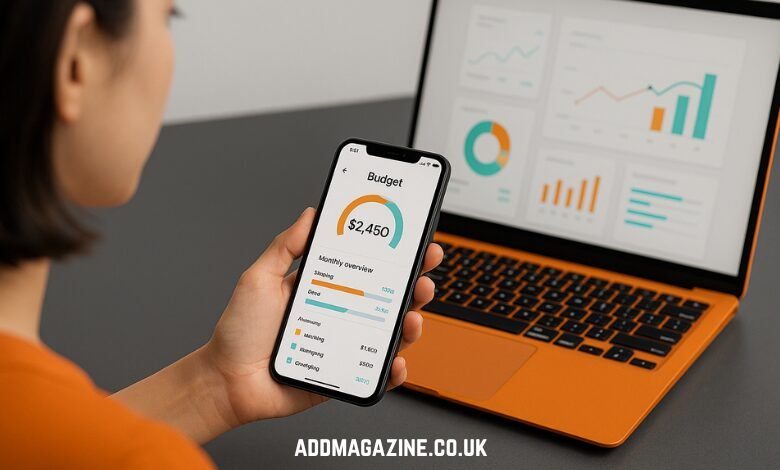
For many people, budgeting starts with good intentions and ends with frustration. Spreadsheets get abandoned, apps feel too complicated, and manual tracking quickly becomes overwhelming. The problem isn’t the lack of tools—it’s that most of them still require too much effort.
This is where the best free ai budget planner changes the experience entirely. Instead of building a budget from scratch, users can now upload their financial data and receive structured insights almost instantly. No manual input, no complex setup, no learning curve.
Platforms like represent this shift toward simplicity and automation. They focus on one key idea: budgeting should not feel like work. It should feel like clarity.
The result is a more natural approach to managing money—one that fits into daily life instead of competing with it
How an AI Budget Planner Works in Real Life
An ai budget planner is designed to remove the most time-consuming parts of financial tracking. Instead of asking users to enter transactions manually, it processes financial data automatically.
The process typically begins with uploading a bank statement or financial file. This can be in formats like PDF, CSV, or Excel. Once uploaded, the system analyzes the data, extracts transactions, and organizes them into categories.
What makes this approach powerful is automation. The tool identifies patterns, recognizes merchants, and groups expenses into categories such as housing, groceries, or entertainment. This happens within seconds, even for large datasets.
From there, the system generates a clear overview of spending. Users can immediately see where their money is going, how much they spend in each category, and how their habits evolve over time.
This level of simplicity is what makes AI budgeting tools so effective. Instead of building a system manually, users can focus on understanding their finances.
Why Budget Planner AI Is Replacing Traditional Methods
The rise of budget planner ai tools reflects a broader shift away from manual financial management. Traditional methods, while still useful, often require consistency that is difficult to maintain.
Spreadsheets, for example, offer flexibility but demand ongoing input and updates. Missing a few entries can quickly make the entire system unreliable. Over time, this leads many users to abandon the process altogether.
AI changes this dynamic by automating data entry and categorization. Instead of relying on discipline alone, users can rely on the system to maintain accuracy and consistency.
Another important advantage is speed. This makes it easier to stay engaged and make budgeting a regular habit.
Perhaps most importantly, AI reduces friction. When the process becomes effortless, people are more likely to use it consistently—and consistency is what leads to better financial outcomes.
From Raw Data to Meaningful Insights
One of the biggest challenges in personal finance is not collecting data, but understanding it. Bank statements provide detailed information, but they are not designed for quick analysis.
The best free ai budget planner solves this by transforming raw data into structured insights. Instead of scanning through transactions, users receive summaries that highlight key patterns.
For example, you can instantly see how much you spend on housing, food, or entertainment. You can identify trends, such as increasing expenses in a specific category, and adjust your behavior accordingly.
This shift from data to insight is what makes AI tools valuable. They do not just organize information—they make it actionable.
Over time, this leads to better decision-making. Small changes, guided by clear insights, can have a significant impact on overall financial health.
Eliminating the Complexity of Budgeting
One of the main reasons people avoid budgeting is complexity. Traditional tools often require setup, customization, and ongoing maintenance.
An ai budget planner removes these barriers. There is no need to create categories manually, build formulas, or track every transaction by hand. The system handles everything automatically.
This simplicity makes budgeting accessible to a wider audience. Even users with no prior experience can start analyzing their finances immediately.
At the same time, the tool remains flexible. Users can upload multiple files, work with different formats, and analyze data from various sources without additional effort.
The result is a system that adapts to the user, rather than the other way around.
Accuracy and Consistency Without Effort
Manual budgeting often suffers from inconsistencies. The same type of expense may be categorized differently over time, leading to inaccurate summaries.
With budget planner ai, categorization is standardized. The system applies the same logic across all transactions, ensuring consistent results.
This consistency improves the reliability of insights. Users can trust that the data reflects actual spending patterns rather than inconsistencies in input.
Another advantage is reduced error. Automated systems minimize the risk of missing transactions or entering incorrect data, which is common in manual methods.
In this way, AI not only saves time but also improves the quality of financial analysis.
Privacy and Security in AI Budgeting Tools
Handling financial data requires a strong focus on privacy, and modern AI tools are built with this in mind.
Most ai budget planner platforms process data securely and do not store it permanently. Files are used only for analysis and are deleted afterward, reducing the risk of unauthorized access.
This approach ensures that users maintain control over their information while still benefiting from advanced analysis.
Security measures such as encrypted sessions and temporary processing environments are now standard, making online budgeting both safe and convenient.
For many users, this balance between functionality and privacy is what makes AI tools a viable alternative to traditional methods.
Who Should Use an AI Budget Planner?
The best free ai budget planner is designed for a wide range of users.
Individuals who want to understand their spending can use it to gain quick insights without dealing with complex tools. The simplicity of the process makes it easy to start and maintain.
Freelancers and remote workers benefit from the ability to analyze income and expenses across multiple sources. This is particularly useful for financial planning and tax preparation.
Families can use AI tools to manage shared expenses and track household budgets more effectively. Having a clear overview helps with planning and decision-making.
Even users who have struggled with budgeting in the past often find AI-based tools more manageable. By removing manual effort, these tools make it easier to stay consistent.
The Future of AI in Budgeting
The growth of budget planner ai tools is part of a larger trend toward automation in everyday life. As technology continues to evolve, these tools are likely to become even more advanced.
Future developments may include predictive insights, where systems suggest ways to optimize spending or anticipate future expenses. Integration with other financial platforms could also create a more connected experience.
Despite these advancements, the focus will remain on simplicity. The most successful tools are those that deliver powerful insights without overwhelming the user.
This balance between functionality and ease of use is what will define the next generation of budgeting tools.
Final Thoughts
The shift toward the best free ai budget planner reflects a fundamental change in how people manage their finances. Instead of relying on manual processes, users are embracing tools that automate analysis and simplify decision-making.
An ai budget planner does more than organize transactions—it provides clarity. Combined with the efficiency of budget planner ai, it creates a system that supports better financial habits without requiring extra effort.
In a world where time is limited and information is abundant, the ability to turn data into insight quickly is no longer optional. It is essential.