I’ll be honest with you. About eighteen months ago, I thought NFC business cards were a gimmick. A shiny toy for tech enthusiasts who wanted to look futuristic at networking events. I was wrong. Very wrong.
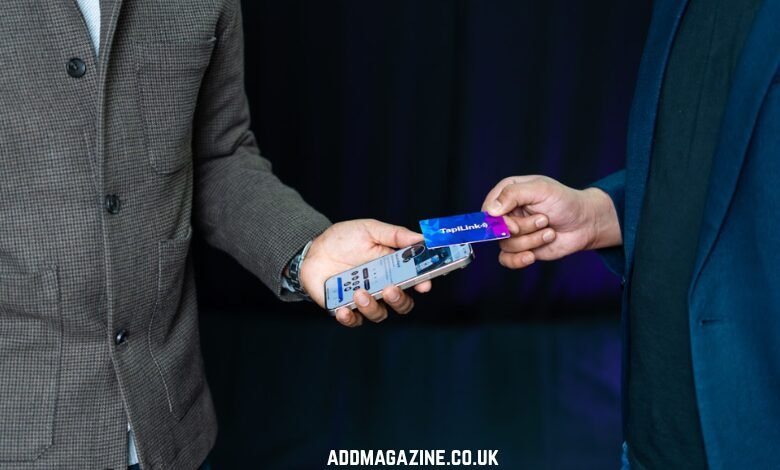
Last month, I attended a property expo in Manchester. Out of roughly forty people I exchanged details with, only six handed me a paper card. The rest? They tapped. A card against my phone, a quick buzz, and their entire professional profile sat in my contacts. No typing. No squinting at smudged ink. No “sorry, I’ve run out of cards.”
Something has shifted in the UK, and it’s happened fast.
The Numbers Behind the Boom
The global NFC business card market sat at around $25 million in 2025. That might sound modest until you realise it’s growing at roughly 10-12% year on year, with some estimates pushing the broader digital business card market past $680 million by 2035. But what’s particularly interesting is Europe’s role in this growth – the continent accounts for about 25% of the global NFC card market, and within Europe, the UK is punching well above its weight.
There are a few reasons for this. Smartphone penetration across the UK exceeds 82%, meaning the vast majority of people you’ll hand your card to can actually read it. NFC-enabled devices are already used by over 70% of the UK population, thanks largely to contactless payments becoming second nature after the pandemic. We’ve been trained to tap. The leap from tapping to pay to tapping to connect isn’t much of a leap at all.
Then there’s the sustainability angle. The UK’s strong push towards sustainability, combined with a genuine cultural shift in how British businesses think about waste, has given NFC cards a tailwind that paper card printers simply can’t compete with. Consider this: roughly 88% of paper business cards get thrown away within a week. Around 7.2 million trees are felled annually just to produce them globally. For any business that claims to care about its environmental footprint, handing out paper cards in 2026 is starting to look a bit contradictory.
Why the UK Is Out in Front
Several factors make the UK uniquely positioned to lead the NFC business card adoption curve.
First, there’s infrastructure. The UK has one of the highest contactless payment adoption rates in the world – NFC and contactless card payments held over 41% of the UK digital payments market share in 2025. That means the average British consumer already understands tap-to-interact technology. There’s no learning curve. When someone taps an NFC business card to your phone, it feels familiar, not foreign.
Second, the UK’s startup and freelancing culture has exploded. More people than ever are working independently, attending networking events, pitching clients, and building personal brands. These professionals don’t have marketing departments to order batches of 500 printed cards every time their job title changes. They need a card they can update in thirty seconds from their phone.
Third, there’s a growing expectation of professionalism meeting technology. At London, Manchester, and Birmingham networking events, pulling out a stack of paper cards is increasingly the exception, not the rule. The professionals who stand out – the ones people remember – are the ones handing over something that makes the other person stop and say, “Wait, that’s actually clever.”
Why Metal NFC Cards Are Having Their Moment
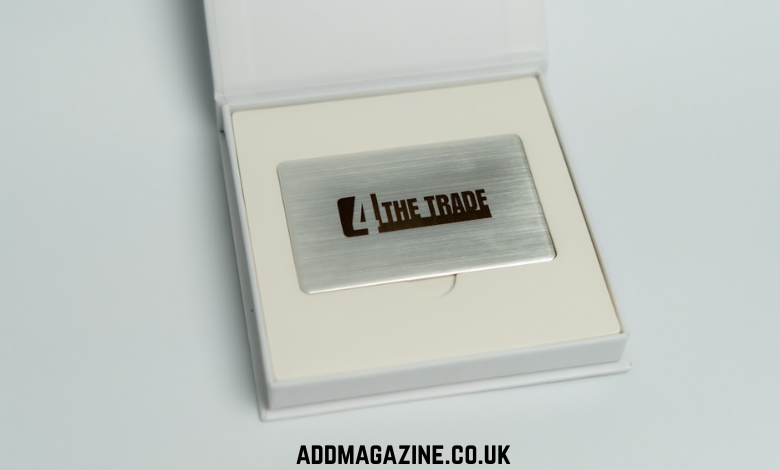
Within the NFC category, metal cards have carved out a fascinating niche. They’re not the cheapest option. They’re not the lightest. But they do something that no PVC or paper card can replicate: they make people stop and pay attention.
I’ve seen it happen in real time. You hand someone a brushed stainless steel card and they don’t just glance at it – they hold it, turn it over, feel the weight. There’s a psychology to it. People are far more likely to keep a business card that feels premium. Metal cards exploit this instinct perfectly. They sit on desks rather than in bins. They get mentioned in conversations: “You should see this bloke’s business card – it’s actual metal.”
Beyond the impression factor, metal NFC cards are genuinely practical. They’re scratch-resistant, waterproof, and built to last decades rather than weeks. The NFC chip embedded inside doesn’t need charging, doesn’t expire, and continues working for the lifetime of the card. You buy one card, and you’re done. Change jobs? Update your digital profile. New phone number? Update your digital profile. No reprints, no redesigns, no wasted stock sitting in a drawer.
One UK Brand That’s Getting It Right: TapiLink
While researching this article, I came across a UK-based company called TapiLink that’s been making waves in the NFC business card space. They’re based in London and offer a full range of NFC-enabled digital business cards across metal, PVC, bamboo, and eco-friendly materials.
What caught my attention initially was their no-subscription model. Unlike several competitors that charge monthly fees to unlock basic features like contact storage or analytics, TapiLink includes everything with the one-time purchase: the physical NFC card, a fully customisable digital profile, mobile app access, an analytics dashboard, unlimited profile updates, and free shipping. There’s no “pro plan” paywall hiding essential features. You buy the card, you get everything.
They also offer free custom design – you upload your logo and brand guidelines, and their in-house design team creates the layout for you. Cards ship within two working days of artwork approval, and they offer fast tracked UK delivery as standard. For teams, they have an admin dashboard where you can manage all employee cards from one platform, which is a practical feature for agencies or sales teams.
I spent some time testing several cards from their range. Here’s what I found.
TapiLink Product Reviews: 5 Cards Tested
1. Black Metal Engraved Digital Business Card
Material: Stainless steel with matte black finish
Customisation: Laser-engraved logos, text, and design elements
Technology: NFC tap + QR code scanning
Subscription: None – one-time purchase
This is the card that made me rethink everything I assumed about NFC business cards. The matte black finish with laser-engraved silver detailing looks genuinely premium – think Apple Card aesthetics, but for your professional identity.
The stainless steel body is scratch-resistant and fingerprint-resistant, which matters more than you’d think. After three weeks in my wallet alongside keys, coins, and general pocket chaos, the card still looked exactly as it did out of the box. The engraving is crisp and precise, and TapiLink offers multiple font options so the typography matches your brand rather than looking generic.
On the tech side, the NFC tap was responsive every time I tested it – iPhone, Android, newer models, older models. Hold it near the top of an iPhone or the centre of an Android, and your digital profile pops up within a second or two. For contacts whose phones don’t support NFC (increasingly rare, but it happens), the QR code provides a reliable backup.
Who is it for? Consultants, founders, estate agents, financial advisors – anyone in a client-facing role where first impressions carry real weight. If you want people to keep your card rather than bin it, this is the one.
Verdict: The best all-rounder in TapiLink’s range. Premium look, bulletproof durability, and the matte black finish works with virtually any brand aesthetic. This is the card I personally kept using after testing.
2. Metal Brushed Silver Digital Business Card (Engraved)
Material: Brushed stainless steel with silver finish
Customisation: Laser-engraved details on brushed surface
Technology: NFC tap + QR code scanning
Subscription: None – one-time purchase
If the black metal card is the suited-and-booted option, the brushed silver is its slightly flashier sibling. The brushed finish diffuses light in a way that gives the card a subtle, shifting sheen – it genuinely looks like a piece of industrial design rather than a business card.
The brushed texture also has a practical benefit: it hides minor wear better than a polished surface would. The engraving contrasts beautifully against the silver – darker text on the lighter brushed surface is easy to read and looks sharp. TapiLink offers both silver-and-black and black-and-gold colour combinations, which gives you some flexibility in matching your brand palette.
Build quality is identical to the NFC metal business card – same stainless steel grade, same scratch resistance, same NFC chip performance. The difference is purely aesthetic, and it comes down to personal preference. I found the silver card got slightly more comments at events, possibly because it catches the light more dramatically than the matte black.
Who is it for? Creatives, architects, designers, and anyone whose brand leans towards clean, modern aesthetics. Also works brilliantly for tech companies that want their card to feel like a product in itself.
Verdict: Equally premium as the black metal, with a more distinctive visual presence. If you want your card to be a conversation starter, this one does the job effortlessly.
3. Black Marble PVC Digital Business Card
Material: High-quality PVC with black marble print
Customisation: Full-colour printing – logos, brand colours, custom layouts
Technology: NFC tap + QR code scanning
Subscription: None – one-time purchase
This card surprised me. I went in expecting a budget alternative to the metal options, and instead found something with genuine character. The black marble pattern is printed in full colour on durable PVC, and the result looks far more expensive than it is. It’s got the kind of aesthetic you’d associate with luxury branding – think high-end property firms, boutique hotels, or premium beauty brands.
The PVC material is lightweight compared to the metal cards, which some people will actually prefer. It slips into a wallet or cardholder without adding noticeable bulk. Despite being lighter, it’s still durable – PVC cards from TapiLink typically last 3-5 years with regular use, which is significantly longer than any paper card.
The full-colour printing capability is the key advantage over the metal range. Because metal cards are limited to laser engraving (which looks fantastic but is essentially one colour), PVC cards allow for richer, more complex designs – gradients, photographic elements, multiple brand colours. If your branding relies on specific colour palettes rather than clean minimalism, PVC gives you more room to express that.
NFC performance is identical to the metal cards. Same tap responsiveness, same QR code backup, same digital profile features.
Who is it for? Beauty professionals, salon owners, interior designers, lifestyle brands, photographers – anyone whose brand identity is visually rich and needs full-colour representation on the card itself.
Verdict: The best value card in TapiLink’s lineup. You get the same NFC technology and digital platform as the metal cards, with a visually distinctive design at a lower price point. The marble finish elevates it well beyond “budget option” territory.
4. TapiLink Original Digital Business Card
Material: Premium PVC
Customisation: Full-colour custom design – logo, brand colours, layout
Technology: NFC tap + QR code scanning
Subscription: None – one-time purchase
This is TapiLink’s entry-level card, and it’s clearly designed to lower the barrier for people trying NFC business cards for the first time. The pricing is aggressive – significantly cheaper than the metal options – but the underlying technology is identical. Same NFC chip, same QR code, same digital profile, same analytics dashboard, same unlimited updates.
The card itself is a clean, straightforward PVC card with full-colour printing. It doesn’t have the wow factor of the metal range or the distinctive pattern of the marble card, but it’s professional, functional, and does exactly what it needs to do. The build quality is solid – it feels like a well-made bank card, not a flimsy piece of plastic.
Where this card really shines is as a testing ground. If you’re not sure whether NFC business cards are right for your business, this is the lowest-risk way to find out. Buy one, use it at a few events, see how people react, track the analytics, and then decide whether to upgrade to a metal or specialty card later. TapiLink’s digital profile works identically regardless of which physical card you choose, so you’re not sacrificing any functionality.
It’s also a smart pick for teams on a budget. If you need to equip twenty sales reps with NFC cards and the total cost matters, the Original card delivers the technology without the premium material markup.
Who is it for? First-time NFC card users, budget-conscious professionals, teams needing multiple cards, students and graduates entering the job market, side-hustle entrepreneurs.
Verdict: Don’t dismiss this because it’s the cheapest option. The technology is the same as the £50+ cards. It’s the smartest way to enter the NFC card world without committing to a premium product until you know you want one.
5. Original Bamboo Digital Business Card
Material: Sustainably sourced bamboo with natural grain
Customisation: Custom engraving on natural bamboo surface
Technology: NFC tap + QR code scanning
Subscription: None – one-time purchase
This is the card for people who want their networking tool to say something about their values before they’ve even said a word. The bamboo is real – you can feel the natural grain, see the subtle variations in tone, and there’s a warmth to it that metal and PVC simply can’t replicate. Each card looks slightly different because of the natural material, which gives it a bespoke, handcrafted feel.
The engraving on bamboo creates a beautiful contrast – text and logos are etched into the surface with precision, and the natural grain of the wood shows through, making every card genuinely unique. It’s the kind of card that people comment on immediately: “Is that wood?”
From a sustainability perspective, bamboo is one of the most renewable materials available. It grows rapidly, requires minimal water, and doesn’t rely on harmful pesticides. Combined with the fact that you’re replacing hundreds or thousands of paper cards with a single reusable one, the environmental argument is compelling.
Durability-wise, bamboo is surprisingly robust. TapiLink treats the wood with protective layers, making it resistant to everyday wear. It won’t last as long as stainless steel – they estimate 2-3 years of regular use – but it develops a natural patina over time that many people actually prefer. The NFC chip is embedded within the wood and performs identically to the metal and PVC cards.
Who is it for? Sustainability consultants, eco-friendly brands, yoga instructors, organic food businesses, environmental organisations, architects working with natural materials, anyone whose professional identity aligns with environmental consciousness.
Verdict: The most distinctive card in TapiLink’s range. Nothing else on the market looks or feels quite like it. If your brand values align with sustainability, this card communicates that message before you’ve even opened your mouth.
Which TapiLink Card Should You Choose?
Here’s a quick breakdown based on what matters most to you:
Maximum impact at client meetings? Go with the Black Metal Engraved or Brushed Silver Metal. The weight and feel of stainless steel creates an impression that lighter materials can’t match.
Visually rich branding with full colour? The Black Marble PVC gives you the design flexibility of full-colour printing with a premium aesthetic.
Testing NFC for the first time or equipping a team? The Original Digital Business Card delivers identical technology at the most accessible price point.
Sustainability is core to your brand? The Original Bamboo speaks to your values without you having to say a word.
Regardless of which card you choose, TapiLink’s digital platform works identically across all products. You get the same customisable profile, the same analytics, the same Apple Wallet integration, and the same unlimited updates. The card is the trigger; the platform is the engine.
The Bottom Line
NFC business cards aren’t a trend. They’re a correction. For de cades, we’ve been printing contact details on small rectangles of paper, handing them to strangers, and hoping they don’t end up in a bin. The fact that this system persisted as long as it did says more about habit than logic.
The UK market has recognised this faster than most. Between high smartphone penetration, a cultural comfort with contactless technology, strong sustainability awareness, and a growing number of quality domestic providers like TapiLink, British professionals are adopting NFC cards at a pace that’s setting the standard for the rest of Europe.
If you’re still carrying paper cards, you’re not behind the times – not yet. But the window is closing. The professionals you’re networking with are increasingly expecting a tap, not a handshake-and-card exchange. And in a market where first impressions are everything, the medium really is the message.
Check out TapiLink’s full range of digital business cards at and see which card fits your brand.