Introduction: The End of the Blank Page
For a long time, the scariest thing in the world wasn’t a scalpel or a Tig welder- it was an empty sheet of graph paper. So many architects and home-owners have succumbed to the state-of-the-blank- page-induced paralysis; it is far easier not to move than it is to place the first door swing in a state of abstraction. Currently, that paralysis is a thing of the past, bequeathed to us by silicon and logic. A merger of the formulaic with the familiar has seemingly made the question of ‘what’ irrelevant. The merger of home design with floor plan AI has obliterated the friction between thought and paper. We are now gearing up to become the most spatially intelligent, democratised, and instantaneous class of designers the planet has seen.
The Image Revolution
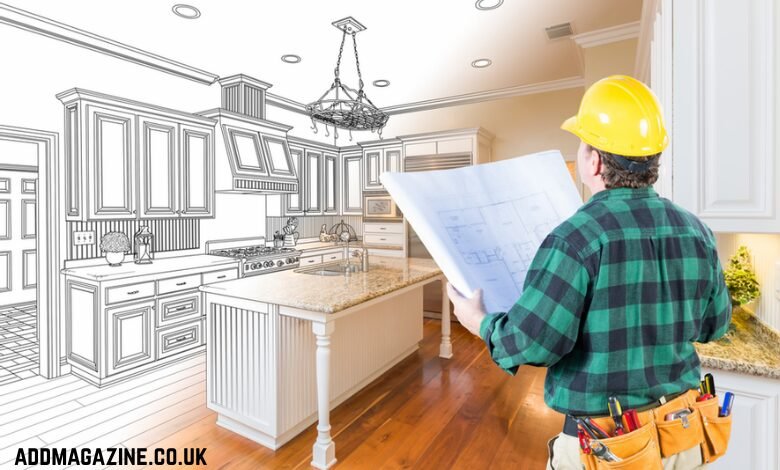
The largest inhibitor to entry for any new modeller has always been the abstraction- translating from the physical to the digital. We have brought the abstraction down using our very own photo-based room redesign capabilities.
Imagine you have a smartphone with an app; you point it at a cluttered, old, sattered living room shot, and a series of computations turn the photo into an entirely new living room. You repeat this a dozen times and choose the version you want, and a home plan AI-free system is born. It’s a game-changer for the pragmatic, eliminating the operational frictions in everyday home plans.
Instant Gratification/Prediction of Preferred Aesthetics
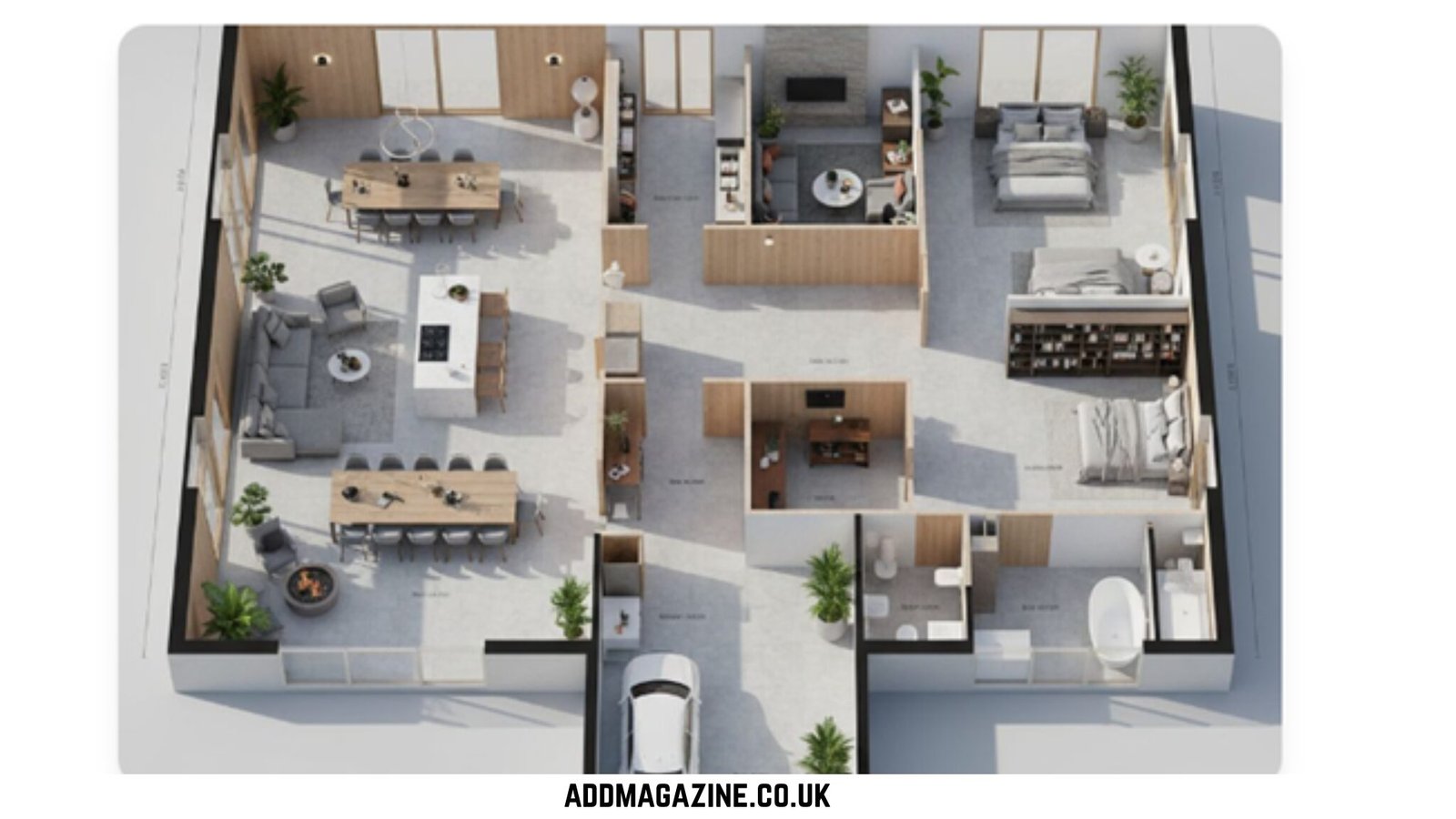
Once the model paints a canvas (or at least explains one on the digital medium), we then move on to the skeleton of the project- the layout. This is where the instant home layout generation feature comes into play.
The engine here will analyse square footage, residents, sources of light, and suggest flows in a humangonecan take hours order to ensure traffic path optimisation and no path crossing of the kitchen to the quiet zone of the bedrooms. But a house is all about the void; it’s a feeling. The AI module here will curate the intra-correspondingly cirque appropriate colour gradient narrative away themes consistent materials and hues irrespective of whether you want to achieve austere brutalism or hygge Danish-cabinityrusthuge.
Pixels to Places (3D visualisation)
The graveyard of every botched renovation project contains the carcasses of “good ideas” that collapsed in the cold light of day. Spotting the flaw is the job of the fourth component of our systems- the realistic 3d room visualization.
This isn’t the old polygon-ringed block of the polygon years; this is ray-traced, physics are incorporated in this very moment of video implementation:
You can move through the space, walking around the corner to see where the glare hits your TV screen. You can log and customize whether the nursery is going to be too dark at the crack of dawn. This technology will liberate home design from the uncertainty of hearsay and allow you to have total conviction (aided by emotion) before the actual nail-tapping even happens- you’ll feel (with your eyes) the room before you construct it!
Human Desire and Electronic Accuracy
Even in this age of social convergence, free-market capitalism and accumulated digital quantification, it’s the human spirit (manifested through the cursor) that is the ultimate author of this total aesthetic. But the drag-and-drop customization feature allows the consumer/user to retain sovereignty of design:
What if the AI suggests a sofa in the corner, but you prefer it to be floating in the center? Just drag it there. If the AI recommends an aesthetic but you prefer something else…just change it. This is the sort of AI-human hybrid that allows the algorithm to do the dimensioning, data-packaging, and code compliance, and the user to draw the soul of things.
The Center of Force (Floor plan generation)
Beneath the comfort of your design is the engine- the floor plan generator.
If you are trying to design a home plan AI, our create custom floor plans application is the launch pad. Input your parameter of: project type, perimeter, room requirement, and we’ll work back to your contradictions using your own form of the ai floor plan generator. If you ask for a 2000 sq ft house with six bedrooms and only one bathroom, the smart algorithms will highlight efficiency issues. It is very aware of space-efficient layout planning and optimal design principles. It recognizes that it’s better to place the laundry close to the group of bedrooms, not the front door.
Style Autonomy
You can choose to output a set of average blueprints for construction files to be handed over at the end of the project. Or you can choose to export colorful 2.5D images for presentation to impress potential investors. Or you may choose the sell to life partner option- 3d isometric renders and export your images back into 2d presentations. No matter what style you choose, the same set of data can be dressed for any application and audience with equal aplomb.
Fast Generation
Fast mode- home plan AI built 4x faster- reduction of project time from days to seconds for the first iteration. What if the master was to the north? What if the garage becomes a diner? An instant output represents an order-of-magnitude reduction in your workflow. This kind of “get to the edge very quickly and very often” speeds up project life, saves you time, and continually assures you that you’re working with all the options on the table.
Conclusion
A house does not get (or need) to be designed anymore- your job is to decide- Wherever you want to put the shop, the butler, or the pool, our internal program AI Home Design, will take care of the painfully executional element. Human desire is no longer an inhibitor; the problem of construction has been removed. You are no longer one-human and method- bound, you merely have to be one- design- academic and free. Thanks to the floor plan AI, we no longer have a paradigm of the thinking home design file: we have a system of thinking.