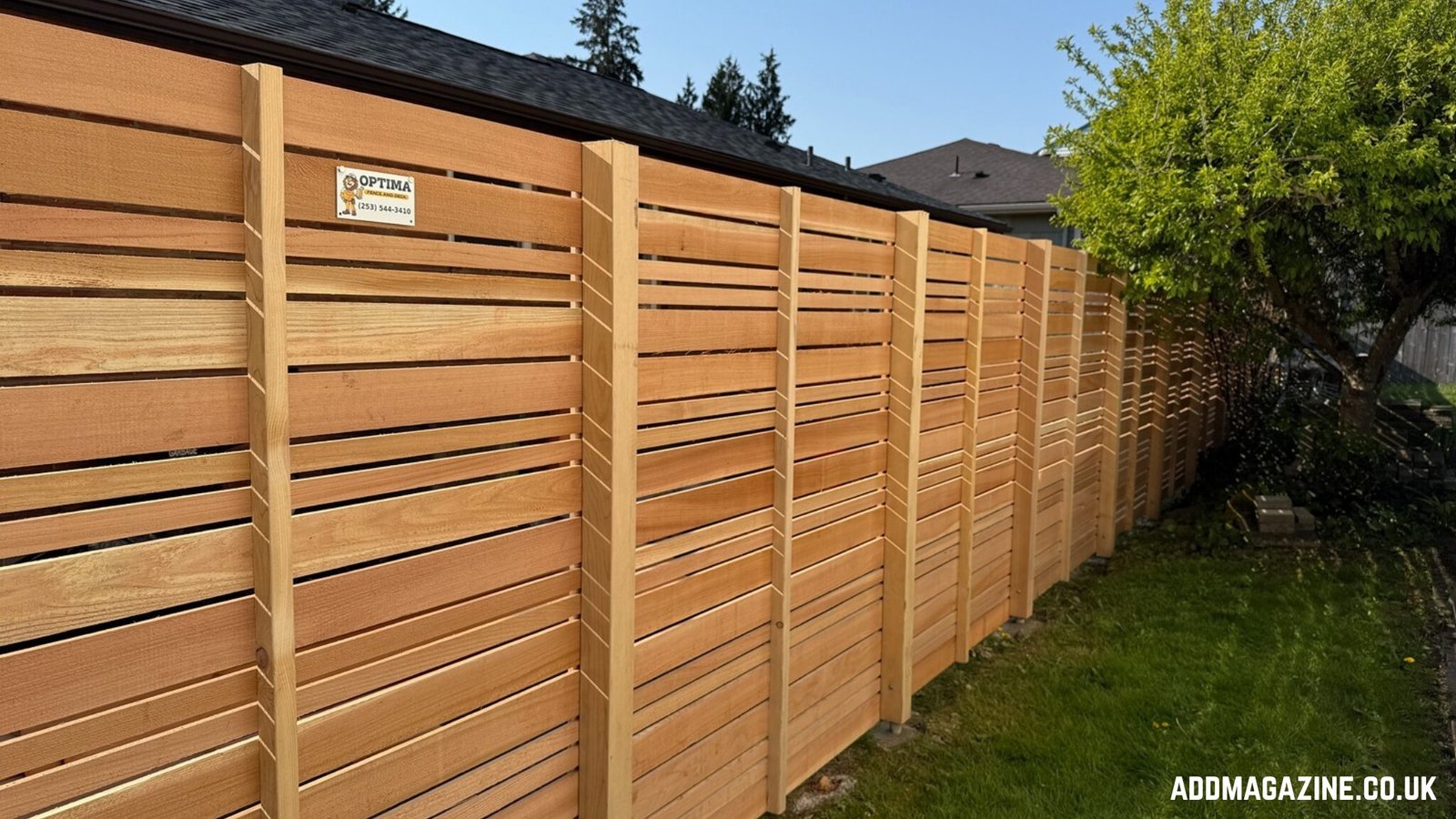
If you’re considering an eco-friendly wood fence Pacific Northwest homeowners can rely on, cedar is one of the most sustainable options available—but only when sourced, installed, and maintained correctly. In Washington State, where environmental awareness and strict building practices intersect, not all wood fences are equally eco-friendly, notes RENOSY Milwaukee solutions.
A cedar fence can be environmentally responsible because it’s a renewable resource, naturally resistant to rot (reducing chemical treatments), and biodegradable. However, sustainability depends on factors like forestry practices, transportation, lifespan, and maintenance methods.
This guide breaks down the real environmental impact of wood fencing in the Pacific Northwest so you can make a smarter, long-term decision for your property and the environment.
What Makes a Wood Fence Eco-Friendly?
An eco-friendly wood fence Pacific Northwest solution isn’t just about choosing wood—it’s about evaluating the entire lifecycle of the material.
Key Sustainability Factors:
- Source of wood: Responsibly harvested vs. clear-cut forests
- Longevity: Longer lifespan reduces replacement waste
- Chemical use: Stains, sealants, and treatments
- Carbon footprint: Transportation and manufacturing
- End-of-life disposal: Recyclable or biodegradable
Definition: Sustainable Wood
Sustainable wood comes from forests managed to maintain biodiversity, productivity, and ecological balance. Certification programs like FSC (Forest Stewardship Council) help verify responsible sourcing.
In Washington, many homeowners prioritize locally sourced cedar to reduce transportation emissions and support regional forestry practices.
Why Cedar Is the Top Choice for Eco-Friendly Wood Fence Pacific Northwest Homes
Cedar stands out among fencing materials due to its natural properties.
Natural Advantages of Cedar:
- Contains oils that resist rot and insects
- Requires fewer chemical treatments
- Performs well in high-moisture environments
- Biodegradable at end of life
Environmental Benefits:
- Lower maintenance = fewer chemicals released into soil
- Longer lifespan (15–25 years) reduces replacement frequency
- Renewable resource when harvested responsibly
Local Insight:
Western Red Cedar is widely available in the Pacific Northwest, making it a lower-impact option compared to imported hardwoods.
For homeowners exploring sustainable wood fence installation Washington, cedar is often the baseline recommendation due to its balance of durability and environmental performance.
Cedar vs Other Fencing Materials: Environmental Comparison
Choosing eco-friendly fencing requires comparing alternatives.
| Material | Sustainability Level | Lifespan | Environmental Impact |
| Cedar Wood | High | 15–25 yrs | Renewable, low chemical use |
| Pressure-Treated Pine | Medium | 10–20 yrs | Chemical treatments required |
| Vinyl (PVC) | Low | 20–30 yrs | Non-biodegradable, petroleum-based |
| Metal (Aluminum/Steel) | Medium–High | 30+ yrs | Energy-intensive production |
| Composite | Medium | 20–30 yrs | Mixed recyclability |
Key Takeaway:
Cedar offers the best balance between sustainability and performance for Washington’s climate, especially when sourced responsibly.
The Hidden Environmental Costs of Wood Fencing
Even cedar fencing has environmental trade-offs.
1. Logging Practices
Unsustainable logging can lead to:
- Deforestation
- Habitat destruction
- Soil erosion
2. Transportation Emissions
Imported wood increases carbon footprint due to shipping distances.
3. Chemical Treatments
While cedar needs fewer chemicals, some homeowners still use:
- Oil-based stains
- Sealants with VOCs (volatile organic compounds)
4. Waste During Installation
Improper cutting and planning can increase material waste by 10–20%.
Working with experienced contractors—such as Optima Fence & Deck—helps ensure efficient material usage, responsible sourcing, and proper installation methods that reduce environmental impact.
How Long Does a Cedar Fence Last in Washington’s Climate?
Durability directly affects sustainability. The longer a fence lasts, the lower its environmental footprint over time.
Average Lifespan:
- Untreated cedar: 10–15 years
- Properly sealed cedar: 15–25 years
- Premium installation with drainage: 20–30 years
Factors That Impact Lifespan:
- Ground contact and drainage
- Sun exposure
- Maintenance schedule
- Quality of installation
Why This Matters:
A fence that lasts twice as long cuts material consumption and landfill waste in half.
Best Eco-Friendly Practices for Wood Fencing in Washington
To maximize sustainability, follow these proven strategies:
1. Choose Certified Wood
Look for FSC-certified cedar or locally sourced timber.
2. Use Low-VOC Sealants
Water-based stains reduce harmful emissions.
3. Optimize Fence Design
- Allow airflow to reduce moisture buildup
- Avoid designs that trap water
4. Install Proper Drainage
Elevate posts and use gravel bases to prevent rot.
5. Maintain Regularly
Simple cleaning and resealing extend lifespan significantly.
Cost vs Sustainability: What Homeowners Should Expect
Eco-friendly fencing doesn’t always mean higher cost—but quality does.
Typical Costs in Washington (2026 estimates):
- Cedar fence: $30–$65 per linear foot
- Sustainable upgrades (sealants, design): +10–20%
- Premium eco-conscious installation: +15–25%
Value Perspective:
- Lower long-term maintenance costs
- Reduced replacement frequency
- Higher property value and curb appeal
Does Washington State Have Environmental Regulations for Fencing?
While fencing itself isn’t heavily regulated for environmental impact, related rules can affect your project:
- Stormwater management requirements
- Property line and setback regulations
- Tree protection ordinances in some cities
In Seattle and surrounding areas, homeowners are encouraged to preserve existing vegetation and minimize soil disruption during installation.
Is Cedar the Most Sustainable Choice Long-Term?
For most Pacific Northwest homeowners, cedar remains the most practical eco-friendly option—but only when:
- Sourced responsibly
- Installed correctly
- Maintained consistently
Alternative materials like composite or metal may last longer but come with higher manufacturing emissions.
Final Verdict:
Cedar offers the best balance of:
- Sustainability
- Performance in wet climates
- Natural aesthetics
Conclusion: Choosing an Eco-Friendly Wood Fence Pacific Northwest Homeowners Can Trust
An eco-friendly wood fence Pacific Northwest solution starts with informed decisions. Cedar fencing, when responsibly sourced and properly maintained, provides a strong combination of durability, sustainability, and visual appeal.
The key is not just choosing wood—but choosing the right wood, the right design, and the right installation approach to minimize environmental impact over time.
FAQ Section
1. Is cedar fencing better for the environment than vinyl?
Yes. Cedar is renewable and biodegradable, while vinyl is petroleum-based and non-biodegradable. Although vinyl lasts longer, its production and disposal have a higher environmental impact.
2. How can I make my wood fence more eco-friendly?
Use sustainably sourced cedar, apply low-VOC sealants, design for airflow, and maintain it regularly. These steps reduce chemical use and extend the lifespan of your fence.
3. Does cedar require chemical treatment?
No. Cedar naturally resists rot and insects. However, applying a sealant can extend its lifespan and improve resistance to moisture in Washington’s rainy climate.
4. What is the lifespan of an eco-friendly wood fence?
A well-maintained cedar fence typically lasts 15–25 years. Proper installation and drainage can extend its lifespan even further.
5. Is locally sourced wood better for sustainability?
Yes. Local sourcing reduces transportation emissions and supports regional forestry practices, making it a more environmentally responsible choice.