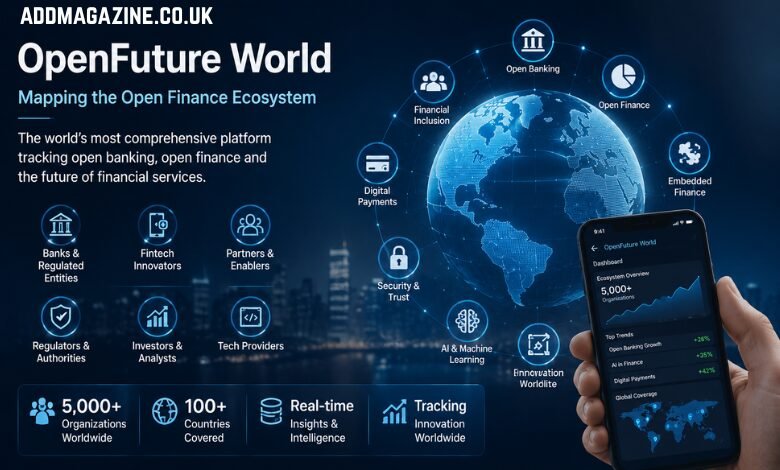
The financial industry is undergoing a dramatic transformation, fueled by technological advancements that are reshaping traditional banking practices. At the heart of this evolution is OpenFuture World, an ecosystem that is leading the charge in tracking and supporting the rise of open banking and the broader Open Finance movement. Through its innovative platform, OpenFuture World is at the forefront of providing a dynamic space for collaboration and development, playing a pivotal role in charting the course of the fintech revolution.
Introduction to OpenFuture World
OpenFuture World is not just a hub for industry data; it is a comprehensive ecosystem designed to help organizations, from banks to fintech companies, understand and navigate the complexities of open banking and Open Finance. The platform links over 5,000 entities, both regulated and unregulated, offering users an extensive range of data that covers the entire financial ecosystem. This vast network serves as a resource for companies to understand emerging trends, track market movements, and collaborate on developing innovative financial solutions.
The importance of OpenFuture World cannot be understated in the context of a rapidly changing financial environment. With traditional banking systems evolving and new financial technologies emerging, staying informed and adaptable is crucial. OpenFuture World empowers its users by providing the tools and insights needed to navigate this dynamic landscape.
The Role of Open Banking in the Fintech Evolution
One of the key concepts that OpenFuture World champions is open banking. Open banking refers to the practice of allowing bank customers to share their financial data with third-party organizations, typically fintechs, to access innovative financial products and services. This is made possible through secure application programming interfaces (APIs) that enable the seamless transfer of data between institutions.
The movement toward open banking has been gaining momentum globally, driven in part by regulatory changes that encourage greater consumer choice and competition in the financial services industry. For example, the European Union’s Revised Payment Services Directive (PSD2) has paved the way for more accessible financial data sharing, while other jurisdictions have followed suit with similar regulations.
OpenFuture World plays a critical role in tracking the progress of open banking initiatives, from early-stage use cases such as account aggregators to more advanced applications like new payment tools. The platform monitors how traditional banks, such as Regions Bank, are adopting open banking services and how fintech companies are creating new solutions that disrupt the status quo.
The Next Stage: Open Finance
Open banking is just the beginning. OpenFuture World extends its focus to Open Finance, a broader concept that encompasses not only bank accounts but also savings, investments, pensions, and insurance. This next level of data sharing has the potential to revolutionize the financial services industry, enabling the creation of more personalized financial products and services that are tailored to the specific needs of individual consumers.
Open Finance is still in its early stages, but its potential for innovation is immense. By expanding the scope of data sharing beyond current accounts, Open Finance opens the door for new opportunities in wealth management, insurance, and other areas of finance. For instance, consumers may soon be able to share their complete financial history with a single provider, allowing them to access personalized investment advice, insurance products, and retirement planning services with a single click.
OpenFuture World is committed to tracking these developments, providing a platform for the fintech industry to collaborate on creating the next generation of financial services. The platform’s ability to provide real-time insights into Open Finance initiatives makes it a critical resource for organizations looking to stay ahead of the curve.
Key Trends Shaping the Future of Finance
As OpenFuture World tracks the evolution of open banking and Open Finance, several key trends are emerging that will shape the future of the financial industry. These trends are reshaping both how consumers engage with financial services and fostering groundbreaking innovations within the industry.
Embedded Finance:
One of the most significant trends is the rise of embedded finance, which refers to the integration of financial services into non-financial platforms and apps. By embedding payment processing, credit, and other financial services into the apps that consumers already use, companies can provide a seamless financial experience. OpenFuture World tracks how companies across various industries are leveraging embedded finance to create new value propositions for consumers.
Data Portability and Mobility:
As the digital economy continues to grow, data portability has become a key issue. Data portability allows individuals to move their financial data from one provider to another, ensuring that they have control over their personal information. OpenFuture World emphasizes the importance of data mobility, which is the ability to transfer data in real-time within a framework of trust. This capability is essential for the success of Open Finance and will be a key area of focus moving forward.
Blockchain and Consent Management:
Trust is a major barrier to widespread adoption of open banking and Open Finance. To address this, OpenFuture World has partnered with Smarter Contracts to implement Pulse, a blockchain-based consent management platform. This platform empowers users to retain control of their financial data while ensuring adherence to privacy laws like the General Data Protection Regulation (GDPR). The implementation of blockchain technology in consent management is a step toward creating a more secure and transparent financial ecosystem.
Artificial Intelligence and Automation:
Artificial intelligence is rapidly evolving into a key force driving progress and streamlining operations in the financial services industry. From chatbots that assist customers to AI-powered algorithms that provide personalized financial advice, automation is making financial services more accessible and efficient. OpenFuture World tracks how AI is being used to improve customer experience, streamline operations, and create new business models in the fintech sector.
Cybersecurity and Fraud Prevention:
As financial services become more digital, the risk of cyber threats and fraud increases. OpenFuture World closely monitors developments in cybersecurity, ensuring that fintech companies and financial institutions are taking the necessary steps to protect customer data and prevent fraud. The platform tracks compliance with regulations and best practices in the cybersecurity space, providing valuable insights into how the industry is responding to these growing threats.
The Importance of Collaboration and “Coopetition”
One of the unique aspects of OpenFuture World is its focus on collaboration, or what is referred to as “coopetition.” In this dynamic ecosystem, competitors work together to accelerate innovation and drive progress. OpenFuture World serves as a platform where fintechs, banks, regulators, and other stakeholders can share ideas, best practices, and resources to build the future of finance.
By fostering a culture of collaboration, OpenFuture World helps to break down the silos that often exist between different players in the financial ecosystem. This collaborative approach is essential for driving the innovation needed to meet the challenges of an increasingly digital and interconnected world.
OpenFuture World’s Role in Tracking Market Trends
One of the most valuable aspects of OpenFuture World is its ability to track and analyze market trends in real time. The platform provides users with up-to-date information on key developments in the financial sector, including mobile wallet adoption, investment growth, and the risks associated with money laundering.
For example, OpenFuture World recently reported that over half of consumers in the UK now use mobile wallets, marking a significant shift in consumer behavior. The platform also tracks notable investments in the fintech space, such as the $63 million raised by QI Tech in Brazil. These insights are crucial for investors, fintech companies, and financial institutions looking to understand where the market is heading and where the best opportunities lie.
Conclusion
OpenFuture World is playing a vital role in the evolution of the financial services industry. By providing a platform for collaboration, tracking emerging trends, and offering valuable insights into the future of open banking and Open Finance, it is helping to shape the future of finance. The platform’s commitment to fostering innovation, improving data mobility, and addressing trust issues is paving the way for a more open, competitive, and customer-centric financial ecosystem.
As the financial sector continues to evolve, OpenFuture World will remain an indispensable resource for organizations looking to navigate this rapidly changing landscape. Whether it is tracking the adoption of open banking, monitoring investment growth, or addressing cybersecurity concerns, OpenFuture World provides the tools and insights needed to stay ahead in the world of fintech.
In conclusion, OpenFuture World is more than just a database or library. It is a dynamic ecosystem that is actively shaping the future of finance through collaboration, data sharing, and a commitment to innovation. The platform’s role in tracking the progress of open banking and Open Finance is critical to the ongoing evolution of the financial sector, and it will continue to be a driving force in the fintech revolution.