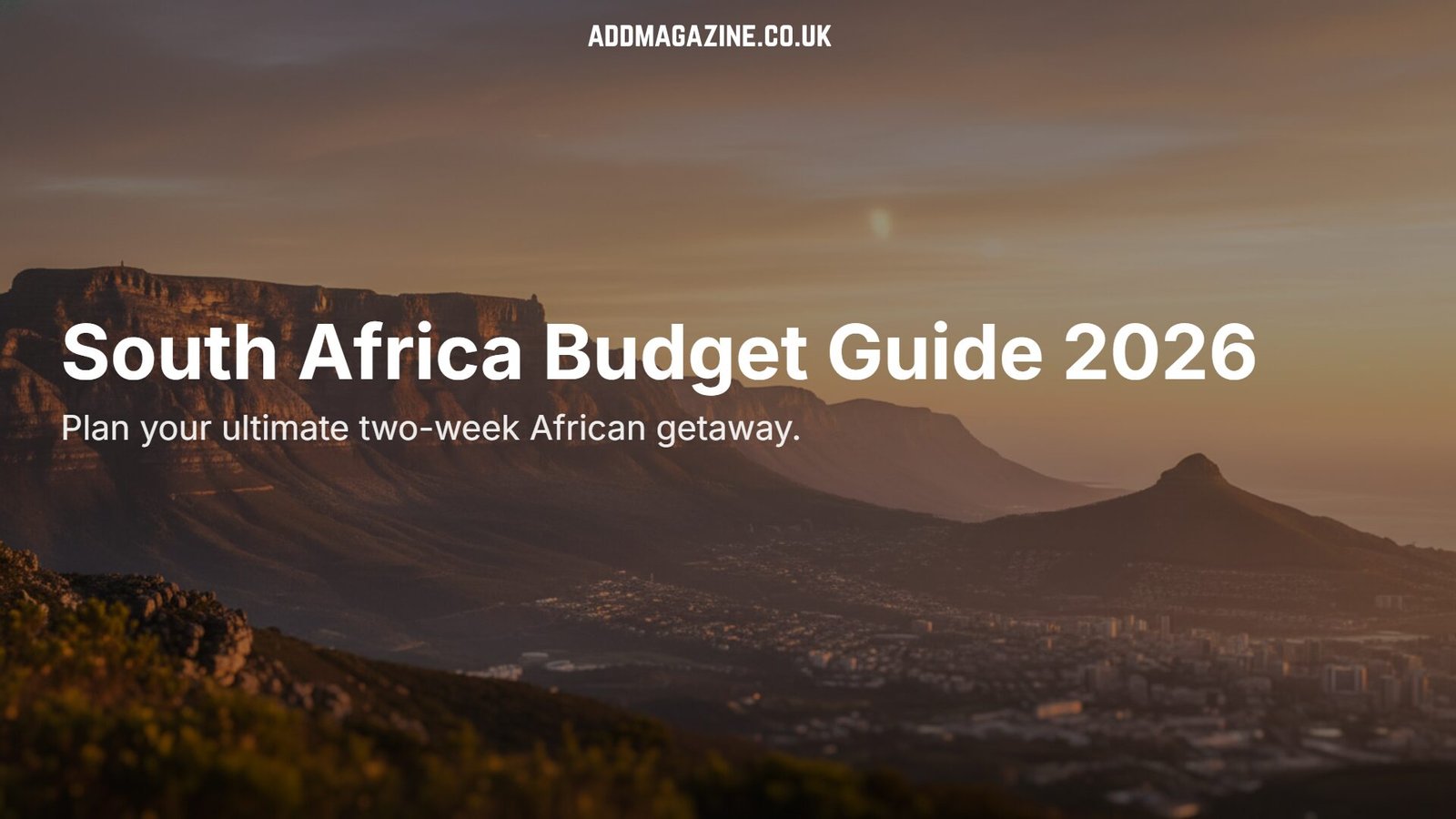
Budgeting for a trip to South Africa requires planning, but the destination is highly rewarding for budget-conscious travelers. Whether you are dreaming of vibrant cityscapes, breathtaking coastal drives, or thrilling wildlife encounters, understanding the financial requirements for a 2026 vacation is essential. The destination offers excellent value across accommodation, food, and activities compared to other international hotspots. While actual costs will naturally vary based on your personal spending habits, chosen activities, and the time of year you travel, having a solid baseline will help you craft the perfect itinerary without unexpected financial surprises.
How much does a two-week South African vacation usually cost?
When looking at the broad financial picture for 2026, two-week South Africa trips typically range from €1,500 to €4,000 or more, which translates to approximately $1,600 to $4,300 USD. This overarching estimate heavily depends on your specific travel style and preferences. A major component of this budget is your airfare. Travelers should anticipate a flight cost range for a round-trip ticket from major US or world cities to fall between $800 and $1,500.
For those departing from Europe, international flights generally range from €700 to €1,200. Shifts in the values of the Euro, US Dollar, and South African Rand may influence overall travel costs, so keeping an eye on exchange rate trends before departure can help with better budgeting.
- Visas
- Comprehensive travel insurance
- Daily tipping

How do expenses compare across different travel styles?
The total expenditure for your African adventure will shift dramatically based on how you prefer to travel. The country caters to a wide spectrum of tourists, from rugged backpackers seeking shared dorms to premium experience seekers desiring private lodges.
Understanding these distinct tiers is the first step in building a realistic and comfortable budget for your two-week stay.
What does a budget backpacker trip cost?
People traveling on a tighter budget and spending around 10–14 days abroad usually spend about €1,450–€2,050 overall, which converts to nearly $1,550–$2,200 USD for the full trip. This travel style generally involves:
- Accommodation: staying in hostels or budget guesthouses
- Transport: utilizing self-drive options or shared transport
- Activities: participating in limited guided tours with perhaps an optional budget safari
Breaking down these costs, round-trip flights consume about €700 to €900 of the budget. Accommodation for 12 nights ranges from €300 to €450, averaging around $30 per night for budget hotels or hostels. Daily meals and groceries may cost roughly €150–€200, and getting around through buses or shared rides can require an additional €150–€250. Extra experiences and a safari tour, if included, may add approximately €150–€250 to the total spending. For solo backpackers, the budget can sometimes be optimized even further, generally falling between $1,200 and $1,800 depending on the exact duration and pacing.
How expensive are mid-tier and high-end safari vacations?
Most travelers find that a mid-range trip offers the best balance of comfort and value, with a 10 to 14-day itinerary costing between €2,250 and €3,400, or about $2,400 to $3,650 USD. Travelers often spend on cozy lodging, daily vehicle use, eating at local restaurants, and selected safari experiences during the journey. In this bracket, accommodation costs between €750 and €1,200, while activities and safari experiences range from €300 to €500.
A luxury or safari-heavy trip will push the total cost beyond €4,000 ($4,300 USD). This premium tier involves a mix of high-end hotels and private safari lodges, guided tours, and minimal self-driving. Accommodation alone in this category ranges from €1,500 to over €3,000, with luxury non-safari options costing €120 to €250-plus per night. Luxury safari experiences and privately guided excursions can increase overall costs by roughly €600 to €1,200 or higher, while many upscale lodges typically provide complete dining as part of the stay.
What are the major daily expenses you need to plan for?
Beyond your initial flight and accommodation bookings, daily spending is a critical factor in your overall budget. Travelers seeking a balance of comfort and affordability typically spend around $100–$150 per day on average.
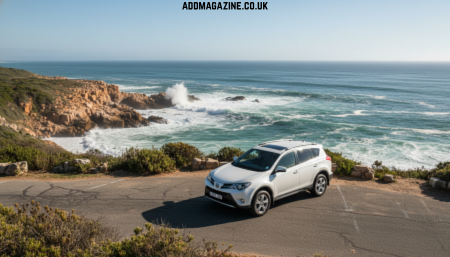
Transportation is another daily consideration. While public transportation tickets like a one-way subway or train ride cost a mere $1 to $2, renting a car offers more freedom and will cost approximately €250 to €350 for the rental and fuel combined. Domestic flights, if not included in a package, can add €150 to €250 per leg.
How can you stay connected without expensive roaming fees in South Africa?
Maintaining a reliable internet connection is vital for modern travel, whether you are using GPS to navigate the Garden Route, translating local menus, or uploading photos of the Big Five. However, relying on your home cellular provider can result in exorbitant international roaming fees that quickly drain your travel budget. A South Africa eSIM offers instant, affordable mobile internet without a physical SIM card.
This digital SIM technology provides prepaid data plans specifically designed for travelers, ensuring instant connectivity for eSIM-enabled devices the moment you land in Johannesburg or Cape Town. This modern approach keeps your daily expenses focused on memorable experiences rather than hidden telecom fees.
What are the best money-saving tips for your African adventure?
To maximize your budget:
- Booking your international flights well in advance is crucial, as this simple step can save you between €200 and €400.
- Timing your visit to align with the shoulder seasons rather than the peak season of June through August will yield significantly lower accommodation rates.
- When planning your itinerary, combining expensive safari days with highly affordable city experiences balances your budget perfectly.
- Traveling as a couple or in a group naturally decreases per-person costs for accommodations and car rentals.
How can international digital SIM cards reduce overall travel costs?
One of the most easily overlooked expenses during an international trip is the cost of staying connected, but digital solutions have revolutionized how travelers manage their budgets.
For instance, utilizing a service like Amigo eSIM, a UK-based telecommunications provider trusted by over 10,000 users, allows you to activate instant data plans via an intuitive mobile app and a simple QR code. With flexible pricing starting at just $5 and reliable 4G connectivity across more than 194 countries, this technology ensures you have high-speed performance powered by top-tier local operators. Having 24/7 global support and transparent billing means you can navigate, translate, and book local activities on the go without ever worrying about hidden telecom charges inflating your overall travel costs.
Are package tours more cost-effective than independent travel?
Choosing between a package tour and independent travel depends on whether you prioritize convenience or strict budget control. Generally speaking, independent travel utilizing self-drive options and individually booked accommodations is the most cost-effective route, allowing you to fine-tune every expense. However, package tours offer unparalleled convenience and can sometimes bundle high-end experiences at a competitive rate.
For example, standard vacation packages from providers like Expedia can start from an affordable $893, offering a great baseline for budget-conscious tourists. On the other end of the spectrum, a luxury 14-day Best of South Africa and Mozambique private tour, which includes premium hotel and bush camp accommodations, will cost between $7,025 and $8,634 per person. While these premium packages require a larger upfront investment, they eliminate the stress of logistical planning and often include exclusive access to remote safari locations.