Drainage problems rarely begin with a dramatic failure. More often, they start with subtle warning signs that are easy to overlook: a sink that drains slightly slower than usual, an occasional unpleasant smell near an outside drain, or a faint gurgling noise from pipework. Many of the issues that eventually lead to blocked drains Haywards Heath property owners experience begin in exactly this way. Because these symptoms often seem minor and do not immediately disrupt daily life, many property owners choose to ignore them, assuming they will resolve themselves or remain insignificant.
In reality, drainage defects rarely improve without intervention. Unlike some household maintenance issues, problems within a drainage system tend to develop gradually over time. Small obstructions can continue to accumulate debris, minor cracks can widen, and early structural defects may become increasingly severe as water, waste and ground movement place additional stress on the system. What appears to be a minor inconvenience today can slowly evolve into a much larger problem beneath the surface.
The financial consequences of delaying action can be significant. A relatively simple maintenance issue may eventually lead to persistent blockages, pipe damage, water ingress, flooding or even structural concerns affecting the surrounding property. In many cases, the cost of identifying and addressing a defect early is substantially lower than the expense of repairing the damage that can result when warning signs are ignored. This is why drainage specialists such as DrainBoss place a strong emphasis on early diagnosis through services including CCTV drain surveys, drain tracing and professional drain inspections, helping property owners identify developing issues that may otherwise escalate into more complex and costly repairs.
Early Drain Defects Most Property Owners Overlook
Most serious drainage problems begin with subtle warning signs rather than sudden failures. Because these early symptoms often appear minor, many property owners dismiss them as temporary inconveniences or normal wear and tear. Unfortunately, these seemingly insignificant issues can provide valuable clues that a drainage system is beginning to deteriorate.
Some of the most commonly overlooked signs include:
- Slow-draining sinks, showers, baths or external gullies
- Intermittent foul odours coming from drains or inspection chambers
- Occasional gurgling sounds from pipework or plumbing fixtures
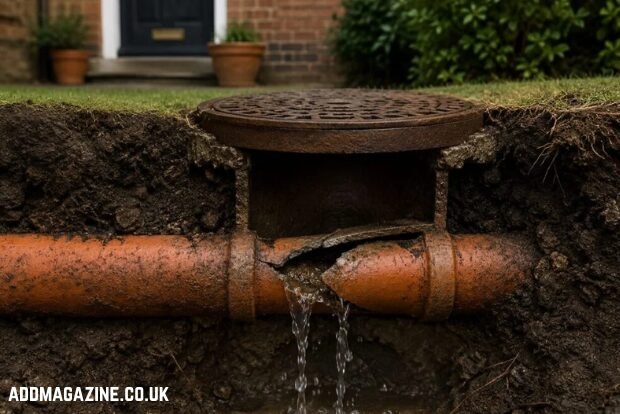
- Minor leaks around inspection chambers or manhole covers
- Small cracks, fractures or displaced pipe joints
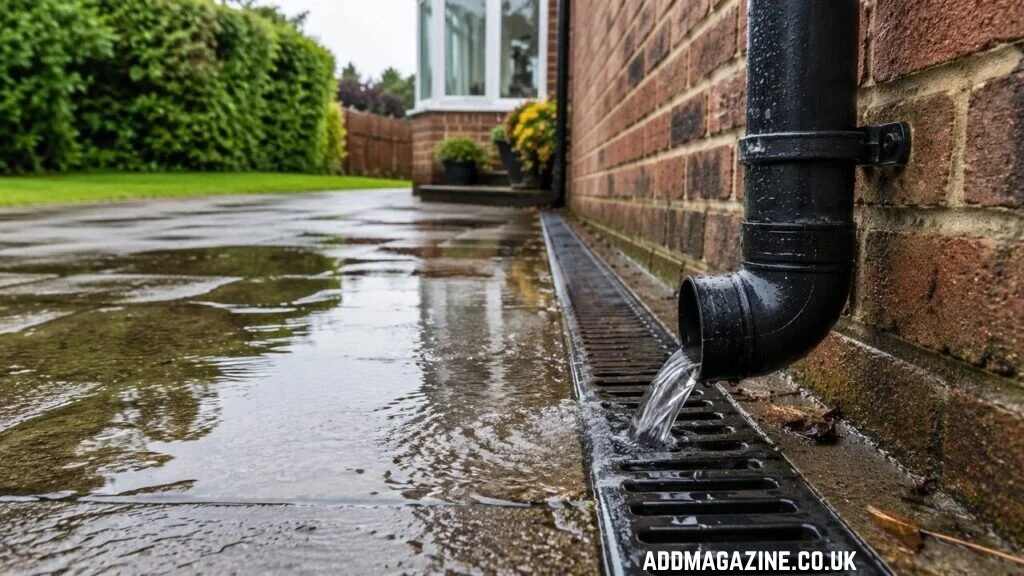
- Localised pooling of surface water after rainfall
One reason these symptoms are frequently ignored is that they often appear inconsistently. A drain may function normally for days or weeks before showing signs of a problem again. Similarly, unpleasant smells may only occur during certain weather conditions, while minor pooling of water may be visible only after heavy rainfall. Because the effects seem temporary, many people assume there is no immediate need for further investigation.
However, these early warning signs often indicate underlying issues that are already developing within the drainage system. A slow-draining sink may signal the beginning of a blockage, while gurgling sounds can suggest restricted airflow or partial obstructions within the pipe network. Small cracks and displaced joints may allow water to escape into surrounding soil, potentially creating larger structural concerns over time. Identifying and addressing these defects at an early stage is often far simpler and more cost-effective than waiting until they develop into major drainage failures.
Why Small Drainage Defects Tend to Get Worse Over Time
One of the most important characteristics of drainage defects is that they are rarely static. In most cases, a minor issue does not remain minor indefinitely. Drainage systems operate continuously and are constantly exposed to water flow, waste materials, environmental conditions and ground movement. As a result, small defects often become progressively more severe if left unaddressed.
A partial blockage, for example, may initially have little impact on performance. However, grease, soap residue, scale and other debris can continue to accumulate around the restriction, gradually reducing the pipe’s capacity. What begins as slightly slower drainage can eventually develop into a significant obstruction capable of causing backups and flooding.
External factors can also accelerate the deterioration of drainage infrastructure. Tree roots naturally seek out moisture and can enter drainage systems through tiny cracks or poorly sealed joints. Once inside, roots often continue to grow, increasing the size of the defect and restricting flow. Similarly, natural ground movement can place stress on buried pipework, causing joints to shift or existing cracks to expand over time.
| Contributing Factor | Potential Impact on Drainage Systems |
| Grease, debris and sediment build-up | Progressive restriction of water flow and increased blockage risk |
| Tree root intrusion | Joint displacement, pipe cracking and flow obstruction |
| Ground movement and soil settlement | Misaligned pipe sections and structural defects |
| Ageing pipe materials | Gradual deterioration, corrosion and reduced structural integrity |
| Freeze-thaw cycles | Expansion of existing cracks and weakening of pipe walls |
| Heavy rainfall and storm events | Increased hydraulic pressure and exposure of hidden weaknesses |
The age of the drainage system itself can also play a significant role. Older pipework may be more vulnerable to deterioration due to decades of wear, corrosion, material fatigue and repeated environmental stress. Even where no immediate failure is visible, ageing infrastructure can become increasingly susceptible to defects that worsen gradually over time.
Weather conditions further contribute to this process. During periods of freezing temperatures, water can expand within small cracks and defects. Repeated freeze-thaw cycles may enlarge these openings, making future damage more likely. Heavy rainfall can create additional pressure within drainage networks, exposing weaknesses that may have previously gone unnoticed.
For these reasons, drainage defects are often best viewed as progressive issues rather than isolated events. While the initial symptoms may appear minor, the underlying condition frequently continues to develop in the background. Early investigation and corrective action can often prevent a relatively simple defect from evolving into a much more complex and costly repair project.
The Financial Impact of Delaying Repairs
Many property owners postpone drainage repairs because the immediate symptoms appear manageable. A drain may still function, a smell may come and go, or a small leak may seem insignificant. However, delaying action often allows the underlying defect to develop further, increasing both the complexity and cost of eventual repairs. In many situations, the financial impact extends far beyond the drainage system itself.
Minor Maintenance vs Emergency Repairs
Addressing a drainage issue at an early stage is typically one of the most cost-effective approaches available to property owners. A developing blockage, small structural defect or minor joint displacement can often be identified and corrected before it affects surrounding infrastructure.
The situation can be very different when problems are allowed to progress. What might initially require a relatively straightforward maintenance visit can eventually result in emergency callouts, extensive investigations, excavation work or major repairs to damaged pipework. Emergency situations also tend to occur at the least convenient times, creating additional disruption and often requiring urgent intervention to prevent further damage.
Property Damage Costs
As drainage defects worsen, the risk of damage to the property itself increases. Water escaping from damaged drains or backing up through blocked systems can affect both internal and external areas of a building.
Potential consequences may include:
- Damage to flooring materials and floor coverings
- Dampness and staining on walls
- Deterioration of plaster, paintwork and decorative finishes
- Moisture-related issues affecting adjacent rooms
- Contamination caused by wastewater or sewage ingress
In some cases, the visible damage represents only a small part of the overall problem. Moisture can migrate into hidden areas beneath floors or behind walls, where deterioration may continue unnoticed for extended periods before becoming apparent.
Business Disruption Costs
For commercial properties, the financial consequences of neglected drainage defects can extend beyond repair expenses. Drainage failures can interfere with daily operations, create health and safety concerns and affect the ability of staff and customers to use the premises normally.
Even relatively short periods of disruption may result in:
- Lost working hours
- Reduced operational efficiency
- Delayed projects or services
- Restricted access to parts of a building
- Additional management and maintenance costs
For businesses that rely heavily on customer access, hospitality services, retail operations or continuous site activity, unexpected drainage failures can create financial pressures that significantly exceed the cost of preventative maintenance. This is one reason why many organisations view early detection and timely repair as an important part of long-term property management and risk reduction.
When Drain Defects Start Affecting the Structure of a Property
Drainage defects do not always remain confined to the pipework itself. In some cases, leaks from damaged pipes, cracked joints or displaced sections can begin to affect the surrounding ground. This does not mean every minor drain defect will automatically lead to structural damage, but it does highlight why persistent or unexplained drainage problems should not be ignored.
When wastewater or surface water escapes from a damaged drain, it can gradually soften or wash away the soil around the pipe. Over time, this may reduce the support beneath nearby surfaces or structures. The process is often slow and hidden from view, which means the first visible signs may appear elsewhere, such as dips in paving, cracks in hardstanding, damp patches or movement around inspection chambers.
Ground settlement is one of the potential consequences of long-term drainage leakage. If soil is displaced or weakened, areas such as driveways, patios, paths and garden surfaces may begin to sink or become uneven. In more serious cases, drainage-related ground movement may contribute to stress around foundations or external walls, particularly where a defect is close to the building or has been present for a prolonged period.
The level of risk depends on several factors, including the location of the damaged pipe, the type of soil, the volume of escaping water, the age of the drainage system and the condition of surrounding structures. For example, a small defect beneath an open garden area may have a very different impact from a leaking pipe close to a driveway, retaining wall or building foundation.
This is why early investigation can be valuable. Identifying leaks, displaced joints or cracked pipework before they have time to affect surrounding ground conditions may help reduce the likelihood of more complex repairs later. A drainage issue that starts as a localised defect can sometimes become a wider property maintenance concern if it is left to progress unchecked.
Health and Environmental Risks Associated with Neglected Drain Problems
While the financial consequences of drainage defects often receive the most attention, there can also be health and environmental considerations when problems are allowed to persist. The level of risk will vary depending on the nature and severity of the defect, but drainage systems are designed to safely transport wastewater away from properties, and disruptions to that process can create conditions that are less than ideal for occupants and the surrounding environment.
Some of the issues that may be associated with neglected drainage problems include:
- Stagnant water collecting in or around drainage systems
- Potential exposure to contaminated wastewater or sewage
- Persistent damp conditions within affected areas
- The development of mould and mildew where excess moisture is present
- Increased attraction of rodents, insects and other pests
Stagnant water is often one of the earliest concerns. When drainage systems do not function efficiently, water may remain trapped within pipework, inspection chambers or surrounding areas for extended periods. Standing water can contribute to unpleasant odours and may create conditions that encourage bacterial growth or attract insects.
Where drainage defects involve leaks, blockages or wastewater backing up within the system, there is also the potential for sewage contamination. Even relatively small releases of wastewater can affect nearby surfaces and surrounding ground if not addressed promptly. For this reason, suspected sewage-related issues are generally best investigated as soon as possible.
Persistent moisture can create another set of challenges. Damp conditions around floors, walls, crawl spaces or external structures may encourage the growth of mould and mildew over time. Although not every damp area will develop mould, prolonged exposure to excess moisture increases the likelihood of it occurring.
Drainage defects can also make an area more attractive to pests. Rodents and certain insects are naturally drawn to environments where water, shelter and organic material are readily available. Damaged pipework, leaking drains and standing water may contribute to conditions that support their presence.
While these issues do not occur in every drainage failure, they illustrate why drainage maintenance is often viewed as more than simply a matter of convenience. Keeping drainage systems functioning correctly can help support a cleaner, drier and healthier property environment while reducing the likelihood of avoidable environmental impacts.
How Modern Drain Inspections Help Identify Problems Before They Escalate
One of the most effective ways to prevent minor drainage defects from developing into major repairs is to identify problems before they become visible at the surface. Modern inspection technologies allow drainage specialists to assess the condition of underground pipework with a high degree of accuracy, often detecting issues long before they result in blockages, flooding or structural damage.
Among the most widely used diagnostic methods are CCTV drain surveys. Using specialised cameras inserted directly into the drainage system, engineers can inspect the internal condition of pipes without the need for excavation. CCTV surveys can help identify cracks, displaced joints, root intrusion, pipe deformation, sediment build-up and other defects that may not yet be causing obvious symptoms. This makes them particularly valuable when investigating recurring drainage issues or assessing the overall condition of an ageing drainage network.
Drain tracing is another important tool in modern drainage diagnostics. By accurately mapping the route and configuration of underground pipework, specialists can gain a clearer understanding of how the system operates and where potential vulnerabilities may exist. This information can be especially useful when planning repairs, investigating unexplained drainage problems or carrying out property improvements that may affect existing drainage infrastructure.
Pressure testing can also play a role in evaluating system performance. This process helps determine whether sections of the drainage network remain watertight and structurally sound. Small leaks or joint failures that might otherwise go unnoticed can often be detected through testing before they have an opportunity to cause wider issues.
The greatest benefit of these inspection methods is that they support early identification of defects. Rather than waiting for a blockage, collapse or flooding incident to occur, property owners can gain a better understanding of the condition of their drainage system and address developing problems while they are still relatively manageable.
As a result, many drainage professionals recommend incorporating inspections into a broader preventive maintenance strategy. Periodic assessments, particularly for older properties or sites with a history of drainage issues, can help reduce uncertainty, improve long-term planning and minimise the likelihood of unexpected repair costs. In many cases, understanding the condition of the system today can help avoid significantly more disruptive and expensive problems in the future.
Situations Where Property Owners Should Act Immediately
While some drainage issues develop gradually and can be monitored during routine maintenance, certain warning signs warrant prompt investigation. These symptoms may indicate that a drainage defect has progressed beyond a minor inconvenience and could continue to worsen if left unresolved.
Property owners should consider seeking professional assessment when they observe any of the following:
- Multiple drains backing up at the same time
- Repeated blockages affecting the same area of the drainage system
- Persistent foul smells that do not disappear after cleaning
- Water appearing around inspection chambers or manhole covers
- Sudden changes in drainage performance
- Evidence of external flooding that appears connected to drainage issues
Multiple drains experiencing slow flow or backups simultaneously can sometimes indicate a problem deeper within the drainage network rather than a localised blockage. Similarly, recurring blockages often suggest that an underlying defect remains unresolved, even if the immediate obstruction has been cleared several times.
Persistent odours may point to trapped debris, damaged pipework, ventilation issues or wastewater escaping from the system. While unpleasant smells do not always indicate a serious defect, ongoing odours generally merit further investigation to identify their source.
Water collecting around inspection chambers or emerging from locations where it would not normally be expected can also indicate that the drainage system is struggling to cope with flow or that a structural defect may be present. Sudden changes in performance, particularly where drains have previously operated normally, should not be overlooked.
External flooding deserves particular attention when drainage infrastructure may be involved. Surface water that repeatedly accumulates in specific locations or appears linked to drainage failures can place additional stress on both the drainage system and surrounding property.
In many cases, these warning signs do not automatically indicate major damage. However, they often suggest that further investigation is justified. Acting promptly when symptoms first appear may help identify the cause before more extensive repairs become necessary.
The Long-Term Value of Proactive Drain Maintenance
For many property owners, drainage maintenance is only considered when a problem becomes impossible to ignore. However, a proactive approach can offer significant long-term benefits. Rather than reacting to emergencies as they arise, regular inspections and timely maintenance help create a more predictable and manageable approach to property care.
One of the most obvious advantages is a reduced risk of unexpected drainage failures. By identifying developing defects before they become serious, property owners can often address issues during planned maintenance rather than in response to an emergency. This can help minimise disruption while reducing the likelihood of flooding, severe blockages or structural pipe failures.
Proactive maintenance can also make long-term budgeting easier. Emergency repairs are often difficult to predict and may involve additional costs associated with urgent callouts, temporary mitigation measures or damage to surrounding property. In contrast, planned inspections and maintenance activities allow property owners to make informed decisions about repairs and allocate resources more effectively over time.
Property value is another important consideration. A well-maintained drainage system forms part of the overall condition of a property and may help reduce the risk of defects being identified during surveys, inspections or future transactions. While drainage systems are largely hidden from view, their condition can influence the perception of how well a property has been maintained overall.
Regular maintenance may also contribute to a longer service life for the drainage infrastructure itself. Small defects identified early are often easier to manage than widespread deterioration affecting multiple sections of pipework. By addressing wear, minor damage and developing blockages before they escalate, property owners can help preserve the integrity and performance of the system for many years.
Ultimately, proactive drainage maintenance is not simply about preventing problems today. It is a long-term strategy that can help reduce risk, improve cost predictability, protect property assets and support the continued reliability of an essential part of the building’s infrastructure.
Conclusion
Minor drainage defects are often easy to dismiss, particularly when they do not immediately affect day-to-day activities. However, as this article has shown, seemingly small issues such as slow drainage, recurring odours, minor leaks or isolated pooling of water can sometimes develop into far more expensive problems over time. Early identification and timely intervention are typically far simpler and more cost-effective than dealing with the consequences of major blockages, structural pipe damage, flooding or associated property repairs.
Regular monitoring and professional assessment of drainage systems can play an important role in reducing long-term risks and protecting property infrastructure. Companies such as DrainBoss specialise in a wide range of drainage services, including drain repairs, CCTV drain surveys, drain tracing, pressure testing, drain relining and emergency drainage support, helping property owners identify and resolve developing issues before they escalate into larger concerns. Maintaining a proactive approach to drainage maintenance can help preserve system performance, avoid unnecessary disruption and support the long-term condition of both residential and commercial properties.