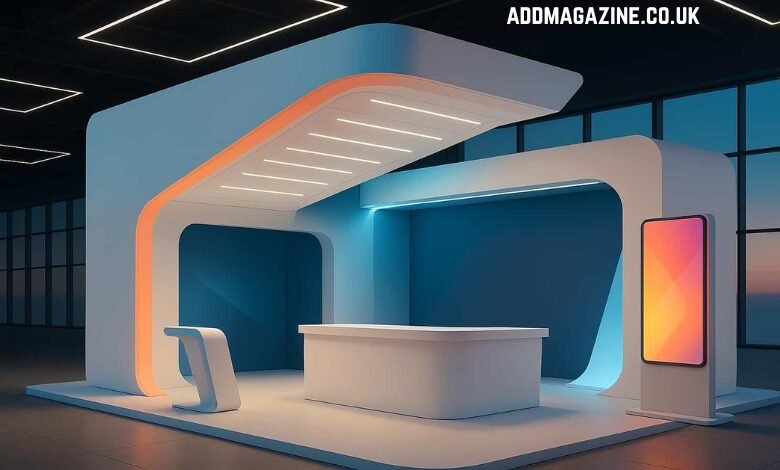
Trade shows bring together creativity, psychology, and strategy in a single space. The design of a booth is not only about visual appeal but also about how effectively it communicates a message, attracts attention, and facilitates meaningful interactions. Understanding the science behind successful exhibit design helps businesses stand out in competitive environments.
Understanding the Psychology of Attention
Human attention is a limited resource, and at a busy trade show, exhibitors compete for every glance. Color theory, spatial layout, and motion are key factors that influence where visitors look first. Warm colors tend to draw attention, while cooler tones create calm, inviting areas for deeper engagement.
Lighting also plays a crucial role. Strategic illumination highlights products and guides visitors naturally through a space. A well-lit display can increase perceived quality and professionalism, reinforcing brand credibility from the first impression.
Designing for Engagement and Flow
A high-performing booth encourages flow rather than congestion. Designers often study human movement patterns to ensure that visitors can navigate comfortably. Clear entry points and intuitive pathways reduce hesitation and invite exploration.
Interactive elements such as demonstrations, tactile samples, or digital touchpoints stimulate curiosity and prolong engagement time. The longer a visitor stays, the more likely meaningful conversations will occur, improving lead quality and retention.
Spatial Planning Principles
Spatial balance ensures that no single area overwhelms the rest. Effective use of height, proportion, and negative space creates a sense of openness. Furniture placement, product displays, and signage must work together to maintain visual harmony without cluttering the environment.
- Position key displays at natural stopping points.
- Keep movement corridors wide enough for comfort.
- Use vertical structures to maximize limited floor space.
- Reserve quieter zones for private discussions.
Materials and Structural Integrity
A booth’s materials influence both aesthetics and performance. Lightweight yet durable materials make transport and assembly easier while ensuring structural safety. Finishes such as laminate, fabric, or metal can alter texture and perception, adding dimension to the design.
An experienced Exhibit Company understands how engineering, safety, and visual design intersect. Every choice, from flooring to framework, affects stability, acoustics, and comfort—factors that contribute to overall visitor satisfaction.
Brand Communication Through Design
Consistency in visual identity builds trust. Typography, imagery, and color must align with broader marketing materials. Even subtle design choices can evoke brand personality, whether innovative, traditional, or luxurious. Cohesive branding ensures instant recognition across different events.
Sound design goes beyond logos. Messaging panels, digital displays, and interactive media should communicate core values without overwhelming the visitor. The goal is to tell a story that resonates emotionally as well as intellectually.
Technology Integration
Modern exhibits increasingly incorporate digital layers to enhance interaction. Screens, projection mapping, and augmented elements add dynamism, allowing brands to showcase products in new dimensions. However, technology should support the narrative, not distract from it.
Designers often measure engagement through dwell time, visitor feedback, and visual analytics. Data-driven insights help refine future designs, ensuring continuous improvement and measurable returns on investment.
Creating Lasting Impressions
Ultimately, the science of booth design combines art, psychology, and engineering. Each decision, from lighting temperature to material selection, shapes how visitors perceive and remember a brand. A thoughtfully designed custom trade show exhibit transforms a temporary display into a powerful communication tool that fosters connection and brand loyalty long after the event ends.