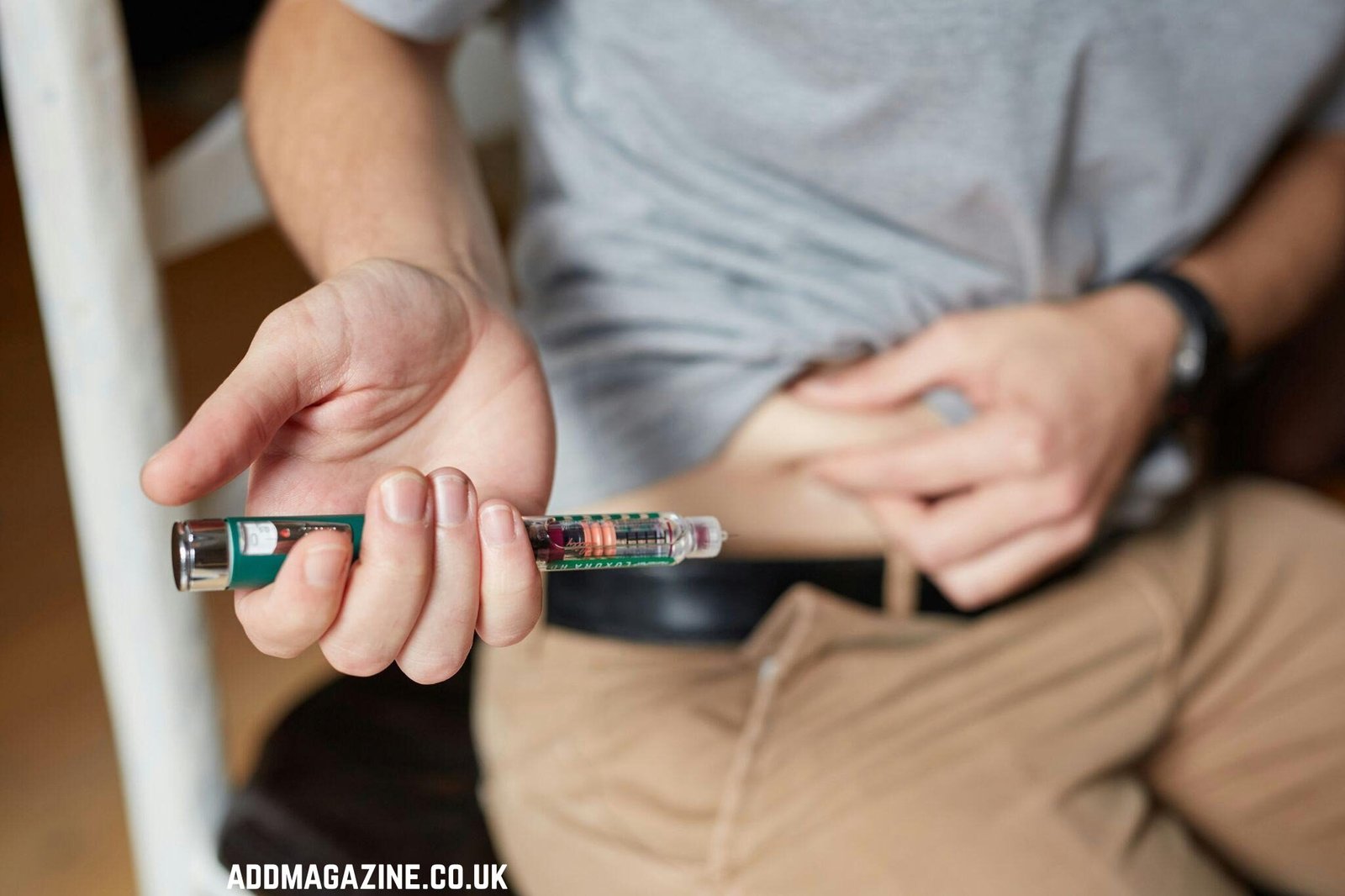
In the last few years, injectable weight-loss drugs have yielded some really amazing outcomes. However, there is a difference between the results obtained in a well-supported programme and those obtained in the absence of any care programme. At reputable and professional weight-loss clinics like Envigore, the use of injections is always combined with a structured multi-disciplinary programme, as the evidence for combining medication with nutritional, behavioural, and lifestyle support is much stronger than the evidence for using injections alone.
What the Medication Actually Does
In general, an injectable weight-loss drug mimics the effect of a hormone that occurs naturally in your gut (GLP-1), which helps control appetite, slow down digestion, and affect how your brain reacts to food. The actual impact is a significant decrease in hunger and thoughts about food for most people: eating less becomes less of a struggle. That change is very real, as one of the primary factors that causes weight-loss approaches to fail is the psychological stress of restriction. The medicine gets to the root of the problem: pressure to eat.
Why the Injection Is Not the Whole Story
Less hunger creates a window of opportunity, a time when it’s easier to make better choices. However, that window alone does not create the nutritional habits, behaviours, and attitudes toward food that will be important after the medication window ends. If you are not given nutrition education, you may just end up eating less of the same foods and not learning how to eat in a manner that will benefit your health. The behaviours that led to weight gain in the first place can creep back in without behavioural support.
Why Nutrition Support Matters Alongside the Injections
When combined with injectable treatment, professional nutrition advice can have two important functions. First, it ensures that the food you’re eating, even in smaller quantities, supports your metabolism, energy, and muscle mass, not just the number on the scale. Second, and more importantly, it begins to develop eating patterns that you can continue on your own. One of the most important aspects of any injectable programme is the transition away from medications, and individuals who have been working on their own nutritional foundation throughout the process will be best positioned to navigate it.
The Emotional Side That Medication Cannot Reach
When you’re stressed, bored, or emotionally overwhelmed, the urge to eat remains the same even if your appetite is lessened. Those triggers aren’t going to go away during treatment; they’ll still have to be managed. Structured coaching, hypnotherapy, or psychological guidance can provide behavioural support to help you respond differently in those moments. The medication phase is the perfect time to develop those coping strategies, because when hunger is less, there is less pressure to practice new responses to the intense food cravings.
Ongoing Medical Oversight
Injectable medications are prescription treatments that require proper clinical management throughout the programme and not just at the point of prescribing. As treatment proceeds, your dosage may require adjustment, side effects may require management, and your overall health may require monitoring. This is taken seriously in a programme that includes regular medical review. A programme that provides only one prescribing consultation and then leaves you to fend for yourself isn’t focusing on your health, and it can make a significant difference in both safety and outcomes.
What to Realistically Expect
Most people can get good results from injectable medications, although they may not work for everyone. The response depends on your metabolism, adherence to the nutrition programme, level of activity, and behaviour support. A good programme will be open with you about this from the outset, track your progress, and alter the path if you are not on track. It is also important to have a realistic, clear idea of what to expect so you can get the best possible benefit from the medication’s opportunity.
Planning for Life After the Medication
A good injectable programme begins preparing for the end of the medication phase at the outset, not as an afterthought in the last few weeks. By the end of the medication course, your nutrition should feel like part of your routine, not something new. Your response to stress, triggers, and challenging times should be sufficiently rehearsed without the safety net of decreased appetite. The best way to assess a successful injectable programme isn’t how much weight you lose while you’re on it, it’s how much weight you’re still keeping off a year later.