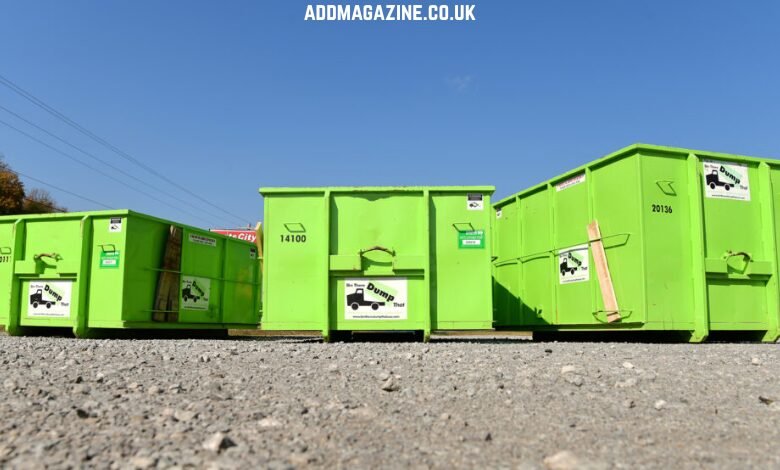
Choosing the right container size can make the difference between a smooth, efficient job and a project that stalls because of overflows, unexpected fees, or the need for a second delivery. Whether you are decluttering a garage, remodeling a kitchen, replacing a roof, or managing a construction site, matching the dumpster size to the work at hand reduces time, cost, and hassle. This article walks you through how to estimate volume, what common sizes are used for, logistical constraints to consider, and practical tips to avoid common mistakes.
Understand your project’s scope
Start by defining the type of material you’ll dispose of and its approximate volume. Soft materials like insulation or carpet take up a lot of space but weigh less. Dense materials such as concrete, brick, or dirt consume less volume but quickly hit weight limits. For outdoor projects like landscaping or roofing, consider peak piles after demolition. Visualizing the work in piles—how many pickup-truck loads it would fill—helps translate the job into cubic yards, the standard measurement for roll-off containers.
Container sizes and common uses
Most rental companies offer a range of roll-off containers, commonly running from 10 to 40 cubic yards. A 10-yard dumpster fits the debris from a small room renovation or a garage clean-out. A 15-yard unit suits medium clean-ups and some siding or flooring jobs. Twenty-yard dumpsters are often chosen for kitchen remodels or larger clean-outs. Thirty and forty-yard containers are the go-to for major home renovations, large construction sites, or roof tear-offs where there will be extensive heavy material. For quick planning, use a visual rule: a 10-yard container approximates three to four pickup-truck beds of debris, while a 20-yard holds about six to eight. For a concise dumpster size comparison you can rely on these common use-cases to guide an initial selection and then confirm with your rental provider.
Weight limits and material restrictions
Renting a large dumpster for heavy materials doesn’t eliminate weight fees if you exceed the allowed tonnage. Concrete, dirt, and stone can exhaust a container’s capacity after a single truckload, so it’s often more economical to choose a smaller unit or schedule a separate heavy-material haul. Conversely, light materials allow you to use larger sizes more advantageously. Check the rental agreement for prohibited items such as hazardous waste, chemicals, tires, and certain electronics; disposing of these improperly can incur fines or required removal by specialized services.
Site logistics and safety
Think about where the container will sit. The physical footprint matters as much as cubic capacity. A 10-yard dumpster is compact and ideal for narrow driveways, while a 40-yard unit needs a large, sturdy area with sufficient clearance for delivery. Ground protection may be required to avoid damage to lawns or paved surfaces. If placing the container on a street, you may need a permit from your municipality. Access for the truck is essential; tight alleys or steep grades can complicate delivery and pickup and might necessitate a smaller unit or special handling fees.
How to estimate properly
Measure the space you plan to fill as if it were a box: length times width times height gives cubic feet, which you convert to cubic yards by dividing by 27. For example, a pile 8 feet long, 4 feet wide, and 4 feet high contains 128 cubic feet, or about 4.7 cubic yards. While this math provides precision, most homeowners benefit from simple reference points: one bathroom remodel typically fits in a 10- to 15-yard dumpster, a kitchen or basement renovation generally needs 20 to 30 yards, and large multi-room demolitions or contractor sites often require 30- to 40-yard units. When in doubt, overestimate slightly to avoid running out of space mid-project.
Timing, scheduling, and cost control
Rental periods affect selection as well. Short projects may only need a container for a few days, while longer jobs require week-to-week planning. Extended rentals can increase the risk of overfill or unauthorized materials being added. Many companies offer roll-off services with flexible timelines, but keep an eye on seasonal demand: spring and fall home improvement seasons often mean higher prices and limited availability. Get quotes based on weight and volume, and clarify extra charges for overages, additional pickups, or extended rental days. Bundling multiple services, such as a separate heavy-material haul, can lower unexpected costs.
Practical tips to avoid mistakes
Load strategically by placing bulky items flat and breaking down boxes and cabinetry to maximize space. Spread weight evenly and avoid stacking materials higher than the container’s side walls unless your rental agreement allows it. Keep a list of prohibited items and set up a staging area for hazardous materials so they never accidentally go into the dumpster. If you anticipate both heavy and light materials, consider separate containers to avoid weight penalties. Communicate clearly with the rental company about access, permits, and pickup times to prevent delays.
Final recommendations
Choosing the best container size marries accurate volume estimation with an understanding of material type, site logistics, weight restrictions, and rental terms. Small-scale projects favor compact units that minimize footprint and cost, while large renovations and construction work justify larger containers despite their space needs. When unsure, discuss your project details with a rental specialist who can confirm measurements and suggest an optimal size. With the right planning, you’ll minimize extra trips, control costs, and keep your project moving on schedule.