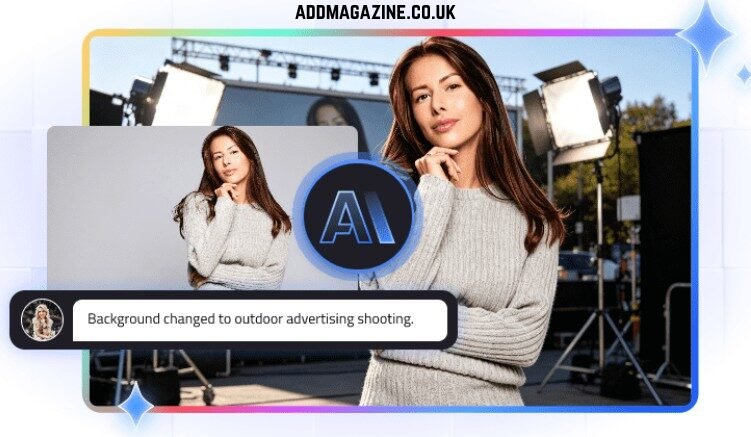
Visual content now shapes much of the online experience across websites, apps, and social platforms. People share photos and videos every day on social media, websites, blogs, and online stores. Strong visuals can make a noticeable difference, whether you’re designing for work, studying, managing a brand, or sharing content online. However, not everyone has professional editing skills or expensive software. Thanks to artificial intelligence, improving images and videos has become faster, easier, and more accessible.
This guide explains how artificial intelligence is reshaping the content editing process, helping creators produce polished, high-quality digital work faster without requiring advanced editing skills or lengthy manual revisions.
How AI Is Transforming Content Editing
Artificial intelligence has changed the way people edit visual content. Traditional editing software often requires experience, technical knowledge, and plenty of time. AI tools simplify this process by automatically analyzing photos and videos and applying improvements with just a few clicks.
Modern AI technology can identify faces, backgrounds, lighting, colors, and image quality. Instead of manually adjusting every setting, users can let AI optimize their content while still maintaining natural-looking results.
Why High-Quality Visual Content Matters
People form opinions within seconds when they see online content. Blurry images or low-quality videos can reduce engagement and make even valuable content look less trustworthy.
Clear and attractive visuals offer several benefits:
- Improve social media engagement.
- Increase website credibility.
- Help businesses build stronger brands.
- Create a better user experience.
- Improve marketing performance.
Whether you are promoting products, publishing blog posts, or sharing family memories, quality visuals always make a positive impression.
AI Makes Photo Editing Easier Than Ever
Photo editing once required advanced software and significant editing experience. Today, AI allows almost anyone to improve photos without learning complicated techniques.
A reliable AI photo editor can automatically detect common issues such as poor lighting, low resolution, image noise, and faded colors. Instead of spending hours adjusting settings manually, users simply upload their image and allow AI to perform the optimization.
AI editing is especially useful for:
- Portrait enhancement
- Landscape photography
- Product images
- Old photo restoration
- Social media posts
- Blog illustrations
These improvements help create sharper, brighter, and more visually appealing images without making them look unnatural.
Features That Modern AI Photo Editors Offer
Today’s AI-powered editing platforms include many smart features that improve image quality efficiently.
Some of the most useful capabilities include:
Automatic Image Enhancement
AI detects brightness, contrast, sharpness, and color balance to create a cleaner and more vibrant image.
Noise Reduction
AI removes this noise while preserving image details.
Resolution Improvement
Low-resolution images can be enhanced through AI upscaling, making them suitable for larger displays or printing.
Background Enhancement
Some AI tools automatically improve backgrounds by adjusting lighting and removing distractions.
These intelligent features make editing accessible to beginners while also saving valuable time for professionals.
Video Quality Is Just as Important
Businesses use them for marketing, educators use them for teaching, and creators use them to grow their audiences.
Many recordings are affected by common problems, including:
- Low resolution
- Motion blur
- Poor lighting
- Digital noise
- Compression artifacts
These problems reduce viewer satisfaction and can affect audience retention.
Fortunately, AI-powered enhancement technology offers practical solutions.
How AI Improves Video Quality
Modern AI algorithms analyze every frame individually before applying enhancements. Instead of simply sharpening the entire video, AI understands the content and adjusts different elements intelligently.
Users looking for a video enhancer free solution can now improve older or lower-quality videos without purchasing expensive professional software.
AI video enhancement commonly includes:
- Increasing video resolution
- Sharpening details
- Reducing visual noise
- Improving color accuracy
- Enhancing overall clarity
- Creating smoother playback
This technology helps preserve valuable memories while also improving professional marketing videos and educational content.
Benefits for Different Types of Users
AI editing tools serve a wide variety of users across different industries.
Content Creators
Influencers, YouTubers, and bloggers need attractive visuals to keep audiences engaged. AI allows creators to produce polished content more efficiently.
Small Businesses
Professional visuals improve product presentations and increase customer confidence without requiring large marketing budgets.
Students
Learners working on class assignments or presentations can refine photos and videos in less time, allowing them to concentrate on research and content creation.
Online Sellers
Clear product photos and videos help customers better understand products, leading to stronger purchasing decisions.
Families
Old family photos and videos can be restored and enhanced, helping preserve important memories for future generations.
Saving Time Without Sacrificing Quality
One of the greatest advantages of AI-powered editing is efficiency.
Traditional editing workflows may require:
- Learning complicated software
- Making manual adjustments
- Repeating edits multiple times
- Spending hours on a single project
AI automates many of these tasks while still delivering impressive results.
Users can complete projects much faster, allowing them to focus on creativity instead of technical editing.
Choosing the Right AI Editing Tool
With many AI editing solutions available today, selecting the right one is important.
Look for tools that provide:
- User-friendly interface
- Fast processing speed
- High-quality output
- Secure file handling
- Support for multiple image and video formats
- No complicated learning curve
Solutions developed by trusted software companies generally offer more reliable performance, regular updates, and better overall user experience.
Best Practices for Better Results
Although AI performs most of the work automatically, users can maximize results by following a few simple practices.
- Start with the highest-quality original file available.
- Avoid excessive compression before editing.
- Keep backup copies of original images and videos.
- Review the enhanced version before sharing.
- Choose enhancement settings that preserve natural appearance.
These simple habits help achieve professional-looking content while maintaining authenticity.
The Future of AI-Powered Content Enhancement
Artificial intelligence continues to evolve rapidly. Future editing tools will likely become even more intelligent by understanding context, recognizing objects more accurately, and delivering higher-quality enhancements automatically.
As AI technology improves, more people will be able to create professional visual content regardless of their editing experience.
AI is making advanced editing tools more accessible, allowing businesses, teachers, content creators, and individuals to achieve professional-quality results with less technical knowledge.
Conclusion
Artificial intelligence has made visual content creation more accessible than ever before. From bringing faded photographs back to life to creating professional-quality images for personal projects, social platforms, or commercial campaigns, AI editing software delivers efficient results in less time.
Using an advanced AI photo editor allows users to improve image quality with minimal effort, while a dependable video enhancer free solution makes it possible to transform low-quality videos into clearer and more professional-looking content. Together, these technologies help users create impressive visuals that capture attention, improve engagement, and communicate ideas more effectively.
As AI continues advancing, visual editing will become even simpler, enabling everyone to produce high-quality digital content without needing professional editing skills.