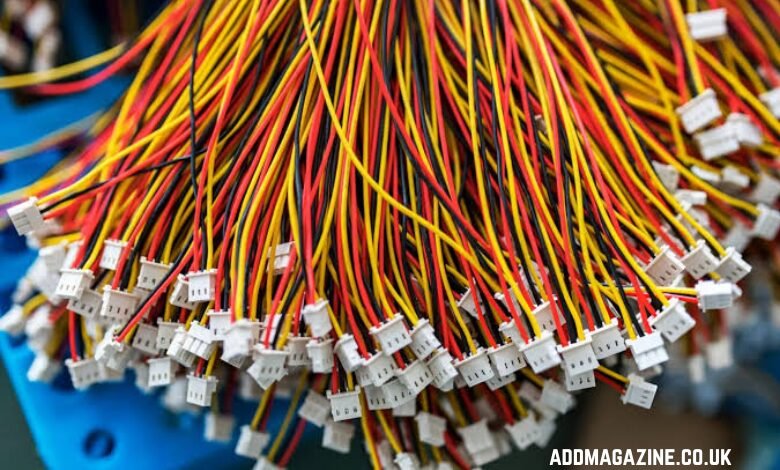
Wiring harnesses play a vital role in powering everything from electric vehicles and industrial robots to medical devices and aerospace systems. While they may appear to be simple bundles of wires and connectors, a wiring harness is a carefully engineered assembly designed to transmit power and data safely and efficiently.
The performance and longevity of a wiring harness depend heavily on the materials used in its construction. Selecting the right conductor, insulation, connectors, protective coverings, and shielding materials can significantly improve reliability, reduce maintenance costs, and ensure compliance with demanding industry standards.
As wiring systems face tougher expectations for speed, durability, and dependable operation, material selection now plays a central role in harness design.
Why Material Selection Matters
A wiring harness operates under a wide range of environmental conditions. It may be exposed to extreme temperatures, moisture, chemicals, vibration, electromagnetic interference (EMI), or continuous mechanical movement. Choosing inappropriate materials can lead to premature failure, electrical faults, signal degradation, or costly downtime.
Engineers must balance several factors when selecting materials, including:
- Electrical conductivity
- Mechanical strength
- Heat resistance
- Chemical resistance
- Weight
- Flexibility
- Cost
- Regulatory compliance
- Expected service life
Rather than focusing solely on the lowest manufacturing cost, modern design prioritizes long-term performance and reliability.
Selecting the Right Conductor Material
The conductor forms the core of every wire within a wiring harness, and its primary purpose is to transmit electrical current with minimal resistance.
Copper: The Industry Standard
Copper remains the preferred conductor material for most applications due to its excellent electrical conductivity, durability, and flexibility. It offers low electrical resistance, making it highly efficient for both power transmission and signal integrity.
Copper also withstands repeated bending and vibration better than many alternative materials, making it ideal for automotive, industrial, and robotics applications.
Aluminum: A Lightweight Alternative
In applications where reducing weight is a priority, aluminum is the material of choice. Although the metal has a lower conductivity rating than copper, it weighs significantly less, making it attractive for electric vehicles, aerospace systems, and renewable energy installations where minimizing overall system weight improves efficiency.
However, aluminum requires larger conductor sizes to achieve similar electrical performance and demands specialized connectors to prevent corrosion and connection failures.
Choosing the Right Insulation Material
Insulation protects conductors from environmental damage while preventing short circuits and electrical leakage. Each type of insulation performs differently, with its own ability to handle high temperatures, bend without damage, and withstand long-term wear.
PVC (Polyvinyl Chloride)
PVC remains one of the most widely used insulation materials because it is affordable, flexible, and resistant to moisture and chemicals. It performs well in general-purpose industrial and commercial applications but may not be suitable for extremely high temperatures.
XLPE (Cross-Linked Polyethylene)
XLPE offers improved thermal performance and excellent resistance to chemicals, abrasion, and mechanical stress. It is commonly used in automotive wiring harnesses, industrial equipment, and heavy-duty electrical systems where higher operating temperatures are expected.
PTFE (Polytetrafluoroethylene)
Often recognized by its well-known trade name (Teflon), PTFE provides exceptional resistance to extreme temperatures, chemicals, and harsh environments. Although more expensive than PVC or XLPE, it is frequently selected for aerospace, defense, and high-performance industrial applications.
Silicone Rubber
Silicone insulation remains highly flexible even under extreme temperatures, making it an excellent choice for applications involving continuous movement or exposure to heat. Medical devices, robotics, and specialized industrial equipment often rely on silicone-insulated wiring.
Connector Materials and Their Importance
Even the highest-quality wires cannot perform effectively if connectors fail. Connectors create secure electrical interfaces between components while resisting corrosion, vibration, and repeated connection cycles.
Common connector materials include:
- Brass
- Copper alloys
- Phosphor bronze
- Stainless steel
To improve durability and conductivity, many connectors receive protective surface coatings such as:
- Tin plating
- Nickel plating
- Gold plating
- Silver plating
Gold-plated connectors, for example, provide excellent corrosion resistance and maintain reliable electrical contact in critical communication and aerospace systems.
Protective Sleeving and Jacketing
Beyond insulation, wiring harnesses often require additional protective coverings. Protective cable coverings create a durable barrier against friction, pressure, water exposure, harsh substances, sunlight, and damage from regular physical use. Common sleeving and jacketing materials include:
Braided Polyester
Braided polyester combines low weight with easy handling while offering strong protection against wear in demanding automotive and industrial applications.
Nylon Sleeving
Nylon offers increased durability and mechanical protection while maintaining flexibility.
Heat-Shrink Tubing
Heat-shrink materials create a tight protective seal around connectors, cable joints, and splices. They keep cables firmly positioned while creating a protective barrier against moisture, dirt, dust, and other external contaminants.
Corrugated Tubing
Frequently found in vehicle engine compartments, corrugated tubing protects wiring from vibration, impact, and physical damage while allowing easy installation.
Shielding Against Electromagnetic Interference
Modern electronic systems rely heavily on high-speed data communication. As electronic components become more densely packed, electromagnetic interference becomes an increasingly important concern.
Shielding materials help prevent unwanted electrical noise from affecting signal quality, and the commonly used ones include:
- Aluminum foil shielding
- Copper braid shielding
- Combination foil and braid shielding
- Conductive wraps
Applications involving advanced driver assistance systems (ADAS), industrial automation, telecommunications, and medical equipment often require sophisticated shielding solutions to maintain reliable performance.
Environmental Considerations
A wiring harness designed for one environment may fail quickly in another. Aircraft wiring must withstand conditions very different from the stresses placed on electrical systems in mines or offshore wind installations.
Engineers evaluate numerous environmental factors before selecting materials, including:
- Operating temperature
- Humidity
- Salt exposure
- Fuel and oil resistance
- Chemical exposure
- UV radiation
- Dust ingress
- Mechanical vibration
- Continuous flexing
Understanding the environment where a system will function helps identify materials that can withstand long-term use while maintaining reliable performance.
Lightweight Materials for Modern Applications
With energy conservation becoming a stronger priority across many sectors, engineers are increasingly designing systems with lighter overall structures. Electric vehicles provide an excellent example. A modern EV may contain several kilometers of wiring, making every kilogram of weight significant.
Manufacturers are increasingly exploring:
- Aluminum conductors
- Lightweight composite materials
- Thin-wall insulation
- Compact connector designs
- Optimized cable routing
These innovations help improve energy efficiency without compromising electrical performance.
Fire Safety and Regulatory Compliance
Safety remains one of the primary considerations in wiring harness material selection. Many industries require materials that meet strict flame-retardant standards while producing minimal smoke and toxic emissions during a fire.
Common requirements include:
- Flame resistance
- Low smoke generation
- Halogen-free insulation
- High dielectric strength
- Compliance with industry-specific regulations
Automotive, aerospace, railway, and medical manufacturers often specify rigorous testing standards before approving materials for production.
The Growing Role of Sustainable Materials
Environmental responsibility is taking a larger role in modern manufacturing, prompting producers to adopt lower-impact materials that limit waste while maintaining reliable product performance.
Current trends include:
- Recyclable insulation materials
- Halogen-free compounds
- Lightweight conductors that reduce energy consumption
- Environmentally friendly manufacturing processes
- Improved material recovery during end-of-life recycling
As sustainability regulations continue to evolve, eco-friendly material selection is likely to become a standard design requirement rather than a competitive advantage.
Looking Ahead
Emerging technologies are transforming how wiring harnesses are designed and manufactured.
Artificial intelligence, for instance, is helping engineers optimize material selection during the design process by predicting durability, weight, thermal performance, and manufacturing costs.
On the other hand, digital simulation tools now allow manufacturers to test different material combinations virtually before producing physical prototypes, reducing development time and improving product quality.
At the same time, advances in conductive materials, smart sensors, and lightweight composites promise even greater improvements in reliability and efficiency over the coming years.
Conclusion
Choosing the right materials for high-performance wiring harnesses involves far more than selecting wires and connectors. Every component from conductors and insulation to shielding and protective sleeving plays a critical role in ensuring reliable electrical performance under demanding conditions.
By carefully evaluating environmental factors, electrical requirements, mechanical stresses, safety standards, and long-term operating costs, manufacturers can build wiring harnesses that deliver exceptional durability and efficiency.
As industries continue to embrace electrification, automation, and smart technologies, material innovation will remain at the heart of wiring harness engineering. Organizations that prioritize thoughtful material selection today will be better equipped to deliver safer, lighter, and more reliable electrical systems for the technologies of tomorrow.