There’s a particular kind of drawer in most British homes. You’ll know the one. It’s full of things that seemed like a brilliant idea on a Saturday afternoon — a stack of thin gold-plated rings from a high street chain, earrings that turned a faint shade of green within a fortnight, a necklace whose clasp gave up somewhere around March. None of it gets worn any more. If we’re honest, most of it never really did.
Something is shifting, though. Sit at a wedding table this summer, or watch people getting ready for the school run on a wet Tuesday morning, and you’ll notice fewer of us reaching for whatever was cheapest and shiniest. More are wearing pieces that look chosen rather than grabbed in a hurry. It’s a small change on the surface, but it says something bigger about how we’re spending, and what we actually want from the things we own.
Quality Is Quietly Becoming the New Status Symbol
For a long time, the accessory drawer told a story about volume. Fast fashion made it easy to own dozens of pieces for the price of one decent one, and for a while that felt like freedom. Buy it, wear it twice, move on.
But that novelty has worn thin, and not just because of the tarnished metal. There’s a growing tiredness with clutter, with things that don’t quite work, with wardrobes and jewellery boxes stuffed with items that never earn their keep. Quiet luxury, the trend everyone’s been talking about since it crept out of Scandinavian minimalism and into the mainstream, isn’t really about logos or the lack of them. It’s about buying fewer things and trusting they’ll still feel right in five years.
Jewellery is a fairly honest barometer for this. Rings and pendants sit close to the skin, get knocked against desks and pram handles, and either hold up or don’t. People are noticing which pieces survive the daily grind and which don’t, and adjusting what they buy accordingly.
What Do We Actually Mean By “Meaningful” Jewellery?
It’s a phrase that gets thrown around a lot, so it’s worth pinning down. Meaningful jewellery isn’t necessarily the most sentimental option in the shop. It doesn’t have to come with an engraving or a story about your gran. What it does need is intention behind it — a reason it was chosen over the twenty other things on the shelf.
Sometimes that reason is an occasion: an engagement, an anniversary, a first proper pay rise spent on something that felt like a milestone rather than a splurge. Sometimes it’s quieter than that. A ring bought simply because it suited the person’s hands and would keep suiting them for decades. Either way, the common thread is that the piece was thought about, not just picked up on the way to the till.
Beyond Sentimentality
This is where meaningful jewellery and fast fashion accessories part ways most clearly. Fast fashion pieces are designed to be disposable by nature; they’re not meant to survive a decade of wear, and nobody involved in making them expected they would. Jewellery bought with more care tends to be made differently too, with better materials and construction that holds up to being worn, not just displayed.
The Everyday Test
Here’s a useful way to think about it, borrowed from how a lot of people are now approaching their wardrobes generally: would this piece work for both the commute and the dinner afterwards? A ring worn to the office shouldn’t need to come off before an evening out. A necklace for a weekend brunch with friends should feel just as at home at a family christening the following weekend.
It’s a theme ADD Magazine touched on recently, in a piece about choosing jewellery that works for any occasion rather than building a collection around specific outfits or events. It’s a sensible way to buy, frankly. Fewer pieces doing more work, rather than a drawer full of single-occasion purchases gathering dust.
Where Fine Jewellery Fits Into an Ordinary Tuesday
There’s an assumption that “proper” jewellery, the kind with genuine diamonds, belongs only in velvet boxes reserved for engagements and big birthdays. That’s changing too, partly because the maths has changed. Lab-grown diamonds have made fine jewellery considerably more accessible without asking anyone to compromise on what a diamond actually is, chemically and visually. It’s still a diamond; it’s simply grown rather than mined, and it costs a good deal less as a result.
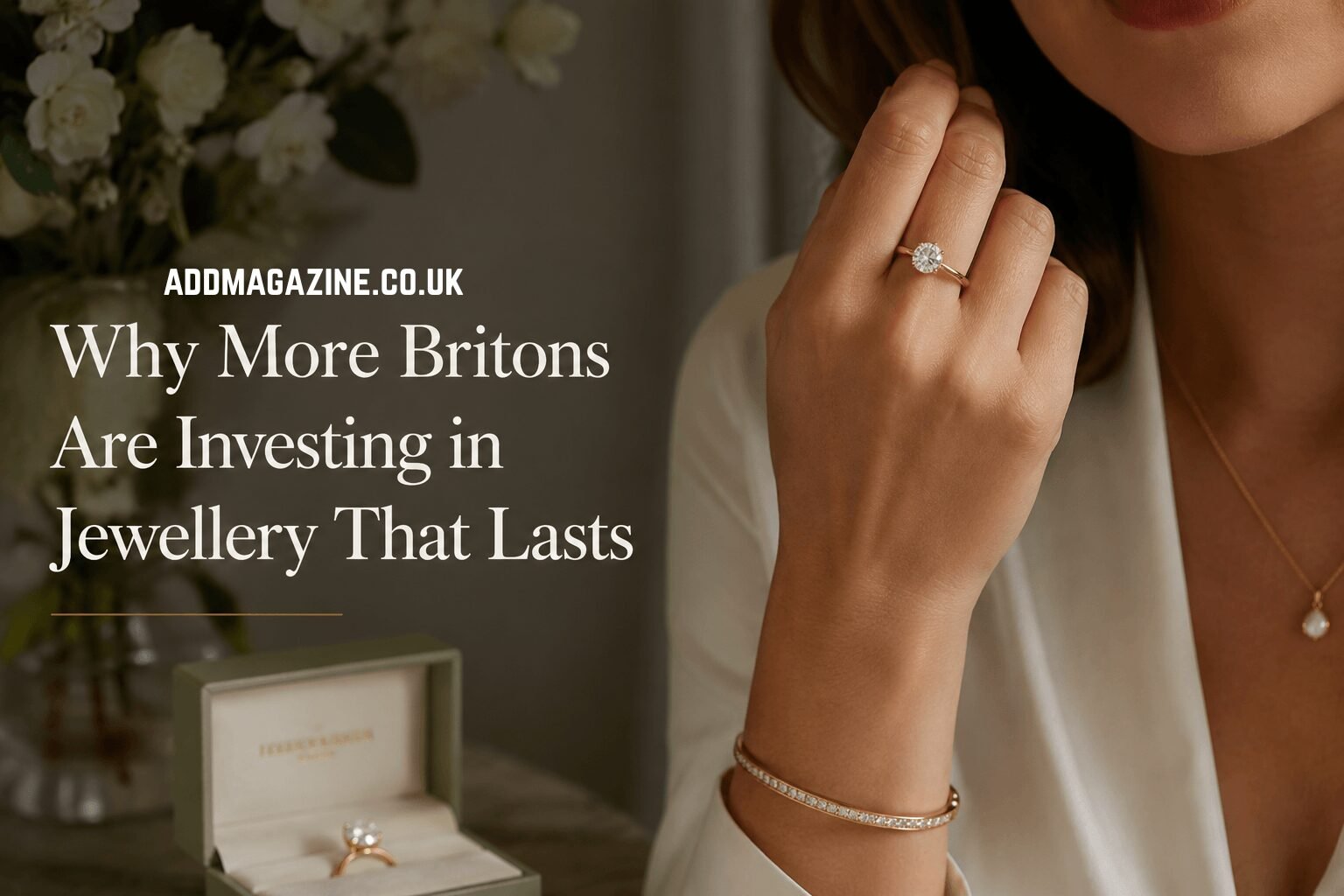
That price shift has changed the maths on one purchase in particular: the engagement ring. It’s arguably the most meaningful piece most people ever buy, and increasingly it’s expected to earn its keep every day rather than spend its life being admired from a distance. Ranges such as FineDiam’s diamond engagement rings collection reflect that shift, built around stones meant for daily wear rather than a single dazzling moment.
Buying With Intention, Not Impulse
None of this means every purchase needs to be agonised over. But a few habits seem to separate people who end up happy with what they’ve bought from those who add to the drawer of regrets.
Material matters more than most of us think about upfront. Something worn daily needs to survive hand washing, hot showers, the odd knock against a car door. Versatility matters too — does it suit most of what’s already in the wardrobe, or does it only work with one specific outfit bought two summers ago? And it’s worth asking where a piece actually comes from, who made it, and whether the price reflects real craftsmanship rather than just a well-known name stamped on the box.
It’s also worth knowing how to look after a piece once it’s bought. Sunshine Diamonds’ jewellery care guide is a handy starting point, covering the basics of keeping stones and settings in good condition through years of everyday wear rather than letting them fade into that drawer of good intentions.
None of these questions take long to answer, but they tend to save people from the fortnight-later regret that fills so many jewellery drawers in the first place.
A Quiet Investment for Everyday Life
Not the show-stopping piece kept for one wedding a decade, but the ring or pendant worn so consistently it becomes part of how someone is recognised by the people around them. Smaller UK jewellers and workshops have leaned into this, offering handcrafted diamond jewellery designed with exactly that kind of daily wear in mind, giving an everyday piece the thoughtful attention and upkeep once associated mainly with items saved for special occasions.
It’s a sensible response to how people actually live. Most of us aren’t attending black-tie events every weekend. Jewellery that only makes sense for the rare grand occasion spends most of its life sitting in a box doing nothing.
The Bigger Picture
None of this is really about jewellery on its own. It’s part of a wider rethink of what’s worth spending on at all, and what quality actually buys you over time. Fast fashion accessories will always have their place for a certain kind of low-stakes fun, and there’s nothing wrong with that. But the pendulum does seem to be swinging back towards fewer, better things, chosen with a bit more thought than a five-minute browse on a lunch break.
Perhaps that’s the real definition of meaningful jewellery: not the price tag, not even the sentiment attached to it, but simply the fact that someone will still be wearing it, and still be glad of it, long after the trend that first caught their eye has moved on.