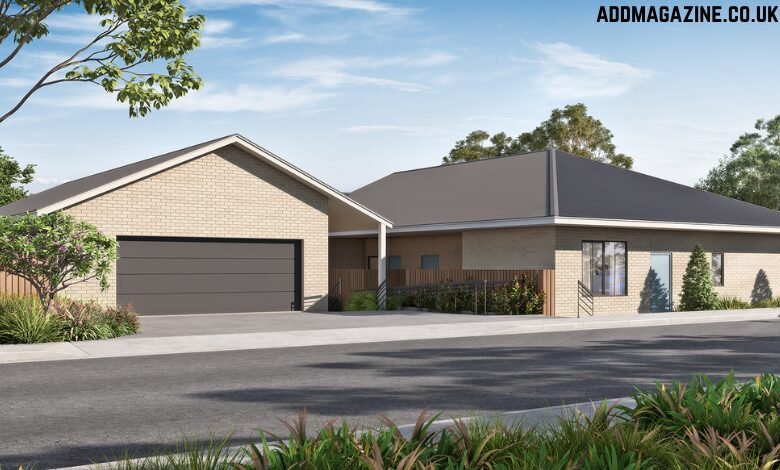
Walk down most residential streets and every home tends to blend into a similar visual rhythm, matching rooflines, comparable driveways, and familiar architectural details repeating block after block. Some of these homes, however, were built with substantially different considerations in mind, yet remain indistinguishable from their neighbors to the casual passerby.
Blending In While Standing Apart
Accessible housing does not need to look visually different from surrounding homes to actually function significantly differently on the inside. Wider doorways, adjusted counter heights, and thoughtfully placed grab bars can all exist within a home that maintains the same general exterior appearance and street presence as every other house nearby.
This visual consistency matters more than it might seem. Homes that stand out too obviously as different can sometimes carry unintended stigma, marking a resident’s needs in a way that feels exposing rather than practical. Blending into the surrounding streetscape allows the actual function of the home to matter more than its outward appearance to neighbors.
Why Invisible Design Deserves Genuine Appreciation
Designing a home that functions differently while looking similar requires considerably more thought than simply adding visible accessibility features without much concern for aesthetic integration. Achieving both function and visual consistency demands careful planning from the earliest stages of design, rather than treating either consideration as secondary or optional.
This approach increasingly defines quality construction within SDA housing developments, where thoughtful builders recognize that genuine accessibility does not require sacrificing visual harmony with the surrounding neighborhood streetscape. The best examples achieve both goals simultaneously, proving that accommodation and neighborhood consistency are not mutually exclusive design priorities.
Recognizing What Careful Design Can Achieve
The next time someone walks down a street without noticing anything unusual about a particular home, it may be worth remembering that this very lack of notice often reflects considerable design skill rather than coincidence. Creating something that functions differently while appearing entirely ordinary represents a genuine achievement, one that deserves recognition precisely because it was designed specifically not to draw attention to itself.
For many residents, this ability to blend seamlessly into their neighborhood carries genuine emotional value beyond aesthetics. Living somewhere that looks like every other home on the street, while functioning in a way that serves specific needs, allows a person to feel like an ordinary neighbor first, rather than someone whose home visibly announces their circumstances to everyone walking past.
Why Discretion Matters to Residents
Many residents specifically request this kind of visual discretion when discussing their housing needs with builders. The preference rarely stems from embarrassment about needing accessible features. Instead, it reflects a genuine desire to be seen first as a neighbor or homeowner, rather than someone defined primarily by visible markers of difference on their home’s exterior.
This preference deserves genuine respect within the broader ongoing conversation around accessible housing design. Builders who understand this priority tend to invest additional thought into matching exterior materials and finishes with surrounding properties, ensuring that necessary features never compromise a resident’s sense of belonging within their own community, street, or neighborhood association.