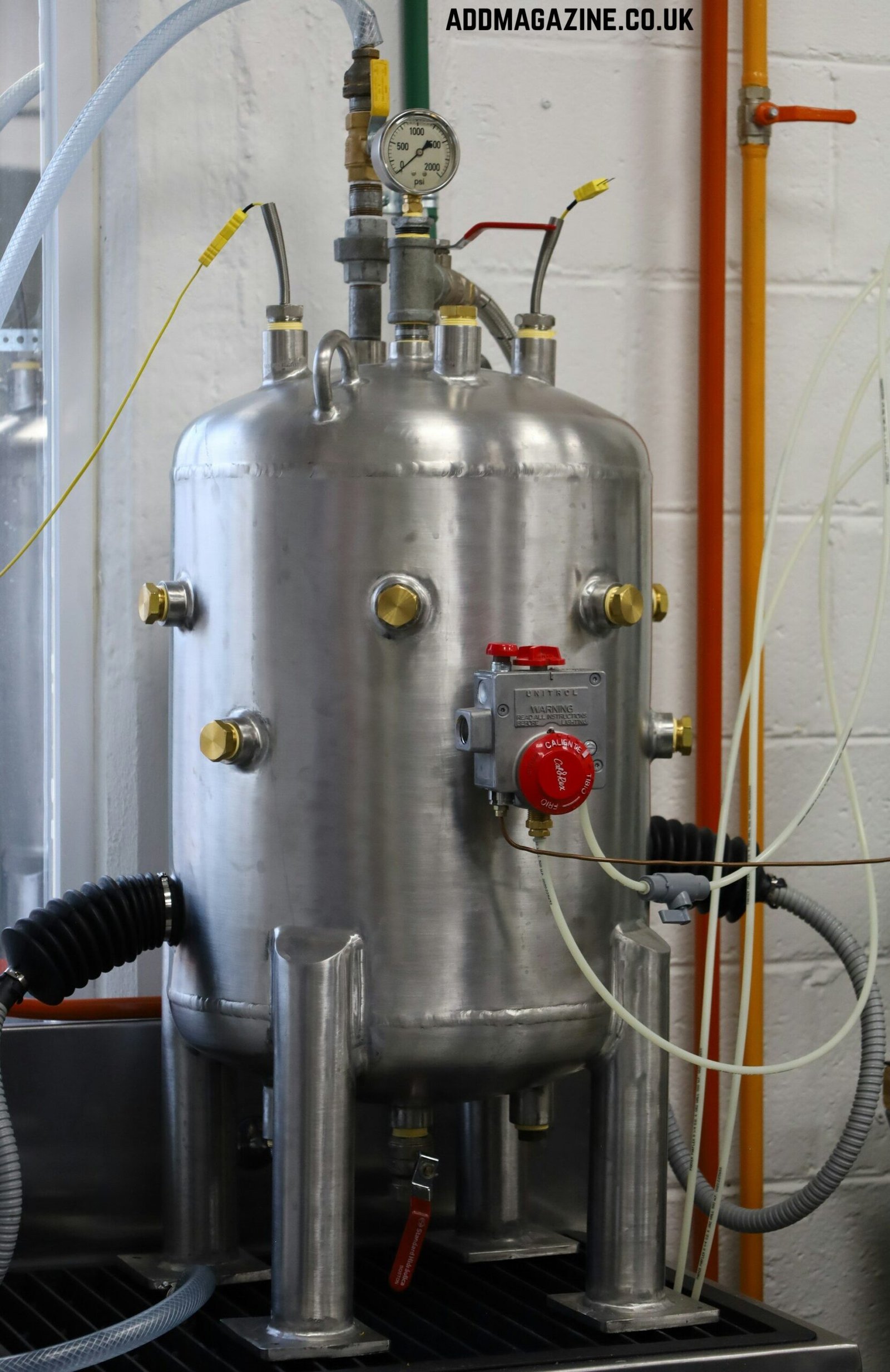
Choosing the right chemical dosing pot is a practical decision with long-term consequences: the correct unit keeps inhibitor levels stable, reduces maintenance visits and protects boilers and pipework from corrosion, notes PMI Central Oregon. This article offers a hands‑on, installer-friendly guide to selecting, commissioning and maintaining a dosing pot that suits domestic and commercial heating systems.
Why the dosing pot matters more than its size suggests
A chemical dosing pot is a small, often overlooked component, yet it plays a central role in a proper central heating water treatment programme. Its job is simple in principle — introduce corrosion inhibitors and other treatment chemicals into the system at a controlled, repeatable rate — but if specified or installed incorrectly, it can cause uneven chemical distribution, sludge formation, reduced heat transfer and premature equipment failure. That makes choosing the right pot a matter of protecting capital plant and avoiding recurring maintenance costs.If you want reliable long‑term protection for your plant room, consider the range of quality dosing pots for central heating available from specialist suppliers.
Step 1 — Establish system water volume and dosing requirements
Begin with the basics: calculate the total system water volume. That includes radiators, pipework, unvented cylinders and the boiler heat exchanger. Inhibitor manufacturers publish dosing rates (for example, ml per litre or target concentration percentage). Multiply the dosing rate by the system volume to determine how much product is needed for the initial treatment and routine top-ups. A practical rule of thumb: size the pot so that top-ups align with realistic maintenance visits — quarterly top-ups often strike a good balance between cost and oversight for commercial sites.
Step 2 — Material selection and chemical compatibility
Not all pot materials tolerate every chemical. Some inhibitors contain additives that degrade ordinary plastics; others are milder. Common choices are stainless steel and chemically resistant polymers. Stainless steel tends to be favoured in commercial and high‑temperature environments for longevity, while high‑grade polymers can be suitable in domestic systems provided compatibility is confirmed. Always request a chemical compatibility chart from the supplier and ensure seals, gaskets and sight glasses are compatible with the full range of maintenance chemicals you expect to use (including occasional descalers or biocides).
Step 3 — Pressure rating, fittings and connection sizing
A dosing pot must match the system’s mechanical demands. Confirm the pot’s maximum working pressure and select a unit with a sensible safety margin above normal operating pressure. Use matching connection sizes and the correct thread types to avoid improvised adaptors, which are common leak sources. If the system includes transient pressure events from pump starts/stops, or if it’s part of a pressurised plant, choose a pot built to withstand those conditions.
Step 4 — Practical features that improve usability on site
Small design details have an outsized effect on day‑to‑day maintenance:
- Sight‑glass or semi‑transparent body for quick level checks.
- Isolation valves to allow safe servicing without draining the system.
- Sampling points for convenient water tests (pH, conductivity, inhibitor concentration).
- Integrated dosing pumps for automated dosing where frequent or precise dosing is required.
- Tamper‑resistant caps for communal plant rooms to prevent unauthorised access.
Consider accessibility when locating the pot — if it’s tucked away, it will be neglected.
Step 5 — Maintenance planning and refill logistics
Who will top up the pot, and how often? This practical question should influence your size choice. Remote sites or ones with infrequent servicing benefit from larger pots. Sites with monthly visits can get by with smaller, cheaper units. Establish a maintenance schedule at handover: visual checks, top‑ups, and periodic sampling/test intervals. A simple logbook listing dosing dates and test results adds transparency and helps detect trends before they become failures.
Commissioning best practice — make the data count
Commissioning is where theory becomes reliable practice. Take baseline chemistry readings (pH, conductivity and pre‑existing inhibitor levels) before the initial dose. Dose to the manufacturer’s target concentration and re‑test after one to two weeks to confirm the chemical has circulated and stabilised. Verify the dosing point location: placing it near the main circulation pump or the make‑up water connection (as appropriate for the system) helps rapid distribution. Log all measurements and hand them to the client with clear refill and testing intervals.
Common mistakes and how to avoid them
- Selecting a pot by price without checking chemical compatibility.
- Installing the pot in an inaccessible location.
- Failing to commission and re‑test after initial dosing.
- Treating the pot as a standalone solution rather than part of flushing, filtration and monitoring procedures.
Real‑world illustration
A mid‑sized office building previously used a tiny plastic dosing bottle that required monthly visits. Replacing it with a correctly sized stainless‑steel pot and shifting to quarterly maintenance reduced site visits, stabilised inhibitor concentration and led to fewer heat exchanger blockages over two winter seasons. The upshot: lower reactive maintenance cost and more predictable plant performance.
Checklist for specification and installation (numbered)
- Calculate total system water volume and determine the required dosing concentration.
- Select pot material after confirming chemical compatibility with the chosen inhibitor.
- Verify pressure rating and connection sizes; avoid improvised adaptors.
- Include practical features: sight‑glass, isolation valves, sampling point, tamper protection.
- Commission: record baseline chemistry, dose to target, re‑test after 1–2 weeks and log results.
- Agree a maintenance interval and issue a clear handover sheet to the client.
Why involve a specialist supplier
A specialist distributor can advise on material compatibility, suggest appropriate capacities, supply datasheets and recommend accessories such as sampling valves and sight gauges. They can also advise on dosing regimes tailored to the system type and size, reducing specification risk and offering technical support should unusual issues arise during commissioning or operation.