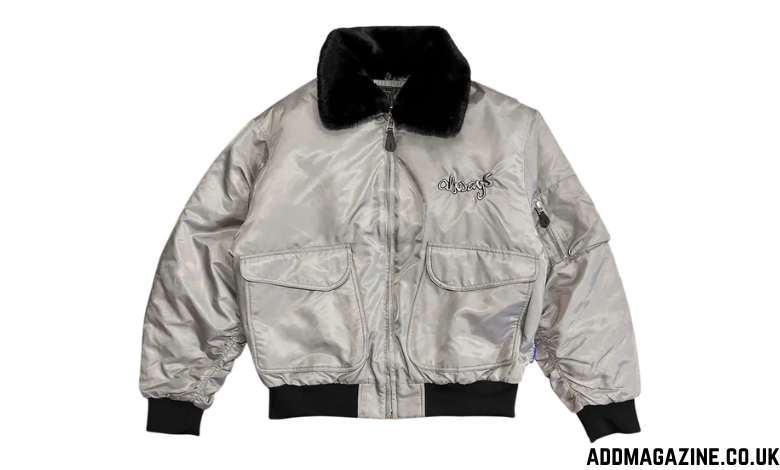
Fashion retail logistics is going through a quiet transformation. The way clothes, footwear, and accessories move from warehouses to customer doorsteps looks completely different from what it did a few years ago. Rapidly rising customer expectations, sustainability targets, and online shopping growth have forced the industry to adapt quickly.
That works for simple operations. Then the friction starts building as order volumes grow.
Customers expect next-day delivery, precise tracking, and effortless returns, while brands struggle to control costs and lower their carbon footprint. When proof of delivery relies on physical paperwork, and tracking is patchy, customer service teams end up drowning in preventable queries. This is where modern logistics technology makes a real difference.
Why supply chain friction is a business signal
A delayed delivery or missing package is rarely just a one-off operational hiccup. This often indicates that underlying tracking systems are outdated, data is trapped in siloes, or communication channels are broken.
If customer support spends hours answering “where is my order” questions every day, tracking transparency needs to be upgraded. If drivers are filling out paper logs at the end of a shift, real-time proof of delivery is missing. If your warehouse teams keep misplacing items during peak seasons, fulfilment processes are ready for automation.
Key technologies reshaping fashion logistics
Modern logistics is no longer about moving boxes from point A to point B. It is about connecting data, systems, and people so every order arrives on time with complete transparency.
AI for demand forecasting and route planning
Predicting customer demand used to involve heavy guesswork and frequent errors. When mapping out delivery routes, smart algorithms factor in current traffic, fuel usage, and carbon output to keep transport as efficient as possible.
Robotics and automated warehousing
Major fulfilment hubs across London, Manchester, and the Midlands are shifting toward automated workflows. Warehouse robots quickly handle picking and packing tasks, dramatically reducing human error during busy retail drops. These systems sync directly with e-commerce storefronts, ensuring an order is flagged for dispatch the moment a customer checks out.
Real-time tracking and visibility
Customers want to know when their parcel will arrive without having to call a helpline. Logistics providers now use integrated transport management systems (TMS) and dedicated driver apps to broadcast live updates. Giving customers direct visibility builds brand trust and lifts the burden off customer support staff.
Greener delivery solutions
Electric delivery fleets, alternative fuels, and minimal packaging are rapidly becoming standard across UK logistics networks. Digital tracking systems collect the precise emissions data retailers need to monitor and report their environmental progress accurately.
Smarter tracking in practice
In the past, paper proof of delivery was processed only when drivers returned to base, meaning discrepancies were investigated days after the fact. Today, drivers log signatures digitally using “sign on glass” technology, attach on-the-spot photos for any issues, and receive live route updates mid-run.
Moving from delayed physical paperwork to immediate digital reporting gives retailers full transparency the moment a parcel reaches its destination.
If a customer needs to update delivery instructions mid-route, dispatchers can adjust the job live on the road. Driver performance metrics are tracked transparently, ensuring high service levels without adding friction for the courier.
Practical benefits for growing retail brands
Upgrading supply chain technology changes logistics from a back-office expense into a clear competitive advantage. When systems talk to each other seamlessly, the impact shows across your entire business:
- Lower operational risk: Digital reporting cuts down on lost packages, missing paperwork, and delivery errors.
- Clearer data insights: Live reporting highlights bottlenecks early so managers can fix issues before they scale.
- Better brand perception: A smooth, predictable delivery experience leaves a lasting positive impression on buyers.
Looking ahead and beyond
The integration between technology and retail fulfilment will only deepen in the coming years. Forward-thinking brands are already preparing for the next wave of supply chain shifts:
- AI-driven delivery support: Chatbots connected directly to live logistics feeds will answer delivery questions instantly.
- Hyper-local fulfilment hubs: Retailers will place smaller inventory hubs closer to major city centres to enable faster dispatch times.
- Traceability via blockchain: Brands will use immutable digital ledgers to verify every step of an item’s journey from factory floor to end user.
Logistics is no longer a hidden backend task. It is a direct extension of the customer experience. By turning day-to-day delivery data into clear, actionable insights, fashion retailers can build faster, greener, and more resilient supply chains.