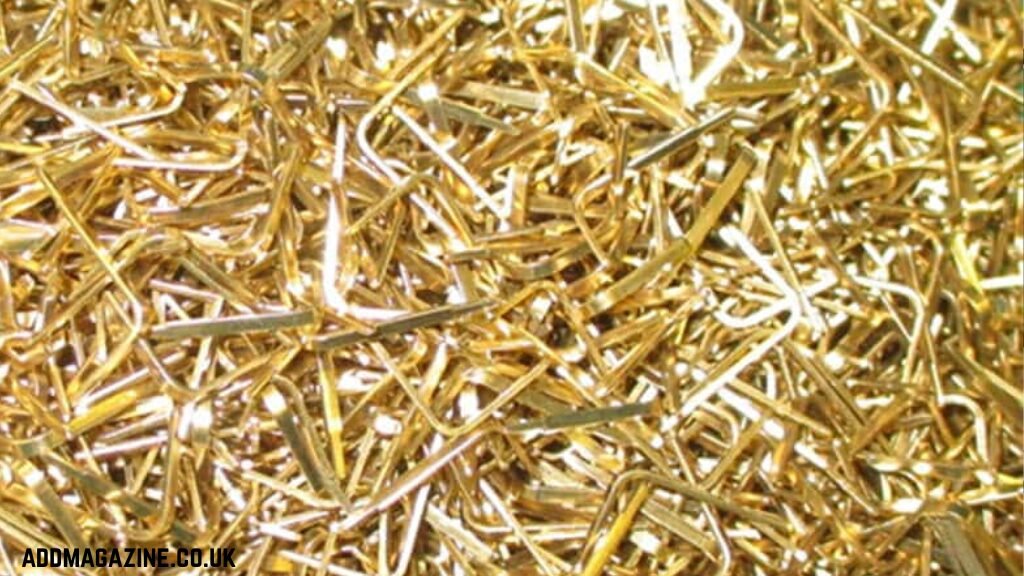
If you’ve ever handled a connector pin, a bathroom fitting, or a bit of jewellery and noticed it doesn’t tarnish the way you’d expect for the price, you’ve probably come across electroplating without realising it. It’s the process of using an electrical current to bond a thin layer of metal onto a component’s surface, and it’s one of the most common ways manufacturers improve the quality of a component directly affects its performance and overall service life.
Choosing the right finish isn’t just cosmetic. In industries where a component has to keep working reliably for years, sometimes in harsh conditions, the surface treatment can matter as much as the base material. Electrical connectors, for instance, often need a finish that won’t degrade over time, which is why specialist options such as gold plating still get specified despite costing more than the alternatives.
What Electroplating Actually Involves
The basic idea is straightforward. A component gets dipped into a solution containing dissolved metal ions, then a current is passed through it. That current pulls the metal ions out of the solution and onto the surface of the part, building up a thin, even coating.
The part being coated is called the substrate. The metal that ends up on top is the plated layer. Nickel, copper, tin, silver, gold, and zinc are all commonly used, and which one gets picked depends entirely on what the part needs to do: resist corrosion, conduct electricity, survive wear, or just look presentable.
Why Manufacturers Bother With It
The main reason is corrosion protection. Bare metal exposed to moisture, chemicals or general weathering degrades over time, sometimes quickly. A properly applied coating slows that down considerably and can add years to a component’s working life.
Electrical performance matters too. Certain metals provide excellent electrical conductivity and maintain dependable contact, making them ideal for connectors and terminals where reliability is essential. Copper and gold both get used here, for different budgets and different levels of demand.
There’s also the mechanical side, plating can harden a surface, cut friction, and improve wear resistance. Useful anywhere a part gets handled repeatedly or takes a knock now and then.
And because the coating is thin, it doesn’t really change the dimensions or weight of the part, which matters more than people expect, especially for anything machined to tight tolerances.
The Common Types of Plating
Nickel: Is the workhorse, durable, resists corrosion well, and gives a smooth finish. Common on engineering parts where strength and wear resistance are the priority.
Copper: Conducts heat and electricity very efficiently, so it often turns up as a base layer under other platings, or on its own where thermal or electrical transfer is the main concern.
Tin: Is everywhere in electronics, mostly because it solders well and conducts reasonably well too, a common choice for connections that need to be reliable without anything exotic.
Gold: Gets reserved for the trickier jobs. It doesn’t oxidise, so it keeps its conductivity and appearance without the slow degradation you’d get from cheaper metals, why it turns up in aerospace, medical equipment, and precision electronics, even at a higher cost.
How the Process Runs, Step by Step
It starts with cleaning. Any oil, dirt or oxidation left on the surface before plating causes problems with adhesion later, so this stage gets more attention than people might assume.
Once clean, the part goes into the plating bath and the current gets applied. Thickness is controlled by adjusting current density and how long the part stays in the solution, get either wrong and you end up with a coating that’s too thin to do its job, or too thick and wasteful.
After plating, there’s usually some finishing work, followed by inspection: thickness, appearance, adhesion, all checked before the part is signed off. For anyone making precision components, this last step isn’t optional; a batch with inconsistent plating can cause failures that don’t show up until the part is already in service.
Where You’ll Find It
Electronics rely on plated connectors and terminals constantly. The automotive industry uses plating to keep components from corroding under the bonnet, where heat, moisture and vibration all take their toll. Aerospace parts need finishes that can survive extreme conditions without failing. Medical devices, telecoms equipment and energy systems all lean on the same basic principles.
Why This Isn’t Just an Afterthought
It’s tempting to treat surface finish as something to sort out at the end of a design process, but that’s usually a mistake. The way a component’s outer layer responds to operating conditions is just as important as its core material, and selecting the proper surface treatment from the start can minimize breakdowns, reduce upkeep, and extend its lifespan. Electroplating is a good option here because it delivers those benefits without altering the part’s original shape or properties.
Picking the Right Process
There isn’t a single “best” plating process; it depends on the material, the environment the part will live in, and what it needs to achieve. Some parts need corrosion resistance above all else, others need conductivity, and some need a bit of everything.
Working out what actually matters for a given component, rather than defaulting to whatever’s been used before, makes it far more likely you’ll land on a finish that does its job properly. As manufacturers place greater emphasis on durability and dependable performance, this approach becomes increasingly valuable.