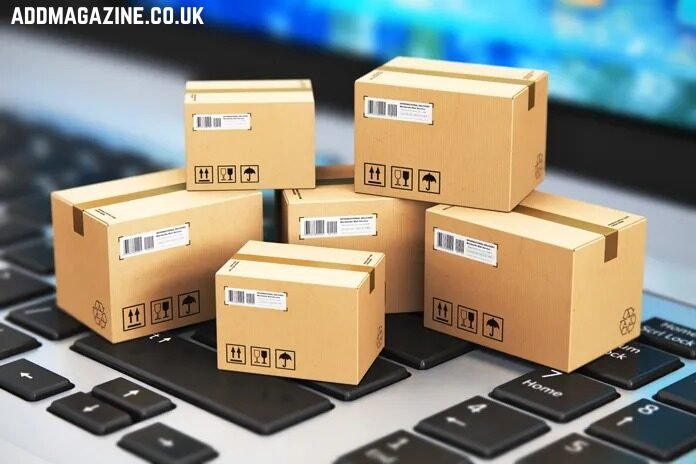
E-commerce has changed more than how people shop. It has also changed what packaging needs to do.
A product sold in a physical store may only need attractive shelf packaging and enough protection for transportation to the retailer. An online order faces a different journey. It can move through warehouses, automated fulfillment systems, delivery vehicles, and multiple handling points before reaching the customer.
That shift is pushing packaging companies and online brands to rethink everything from box size and materials to branding and returns.
1. Packaging Is Becoming More Shipping-Focused
One of the biggest changes is the growing importance of packaging designed specifically for shipping.
Traditional packaging may have been designed primarily around presentation. E-commerce packaging has to balance protection, weight, dimensions, durability, and shipping costs.
This is where a custom e-commerce shipping box can be valuable. Instead of relying on a standard box that leaves excessive empty space, brands can develop packaging around the dimensions and requirements of their products.
Right-sized packaging can help reduce unnecessary void fill and improve handling efficiency while still protecting the product.
The goal is simple: use enough packaging to protect the product without shipping unnecessary material and air.
2. Sustainability Is Moving Higher on the Priority List
Online shopping has increased the amount of packaging moving directly to consumers, making packaging waste more visible.
As a result, brands are looking beyond simply choosing a material labeled “eco-friendly.” They are considering the entire packaging system, including material use, recyclability, packaging size, transportation, and end-of-life disposal.
Current industry discussions increasingly emphasize right-sizing, recyclable materials, simplified structures, and circular design. Regulatory changes are also adding pressure for companies to reduce unnecessary packaging and improve recyclability.
However, sustainability should be approached practically. A smaller box that causes product damage or increases returns isn’t necessarily a better solution.
The better question is: Can the packaging use fewer resources while still performing its job effectively?
3. Unboxing Has Become Part of the Customer Experience
E-commerce removed the physical shopping experience from the purchase process. Customers often don’t see the product in person until the package arrives.
That makes the delivery experience an important brand touchpoint.
Thoughtful packaging can create a memorable first impression through:
- Consistent brand colors and graphics
- High-quality printing
- Easy-open structures
- Personalized messages
- Organized product presentation
- Recyclable or reusable components
Research and industry reporting increasingly connect packaging with customer satisfaction and brand perception.
For an online business, the box isn’t simply something that protects an order. It can also shape how customers perceive and interact with the product.
4. Packaging Must Work With Faster Fulfillment
E-commerce businesses are under constant pressure to process orders quickly.
That means packaging increasingly needs to work with automated packing equipment, standardized warehouse processes, and high-volume fulfillment operations.
Packaging suppliers are therefore paying more attention to consistent dimensions, structural performance, machine compatibility, and efficient packing.
This is particularly important for growing brands. A package that works perfectly for 100 orders per week may become inefficient when the business is processing thousands.
Good packaging design should consider not only what the customer sees, but also what happens before the package leaves the warehouse.
5. Returns Are Influencing Packaging Design
Returns are another major difference between traditional retail and e-commerce.
An online order may need to travel back to the retailer after delivery. Packaging that is difficult to open, damaged during opening, or impossible to reuse can make the return process harder.
This is encouraging brands to consider features such as:
- Resealable closures
- Durable construction
- Return-friendly designs
- Easy opening
- Protective inserts that can be reused
Designing packaging around the complete product journey—not just the initial shipment—can improve both operational efficiency and customer convenience.
6. Packaging Is Becoming a Branding Tool
When customers discover a product online, packaging doesn’t compete for attention on a physical shelf. Instead, the package becomes an opportunity to reinforce the brand after the purchase.
Custom printing, distinctive structures, inserts, and branded messaging can help an e-commerce company create a recognizable experience.
Companies such as PackFancy are part of this broader custom-packaging market, where businesses can develop packaging around their product, brand identity, and shipping requirements.
The important point is that customization should have a purpose. A visually impressive package that is unnecessarily oversized or difficult to recycle may create problems elsewhere.
7. Data Is Changing Packaging Decisions
E-commerce also gives businesses access to information that can improve packaging decisions.
Brands can track metrics such as:
- Product damage rates
- Packaging costs
- Shipping costs
- Return rates
- Customer feedback
- Average package dimensions
- Material consumption
This makes packaging less of a one-time design decision and more of an ongoing optimization process.
A business can test a new box size, monitor results, and make adjustments based on actual performance.
The Future of E-commerce Packaging
E-commerce is pushing the packaging industry toward a more balanced approach. The future isn’t simply about making packaging cheaper, greener, or prettier. It is about making it perform better across the entire customer journey.
The strongest packaging solutions will likely combine efficient dimensions, reliable product protection, responsible material choices, attractive branding, and convenient returns.
For e-commerce businesses, that means packaging deserves to be treated as part of the overall customer and fulfillment strategy—not merely as an expense.
As online shopping continues to evolve, the companies that rethink packaging around real customer needs will be better positioned to deliver a product experience that is efficient, practical, and memorable.