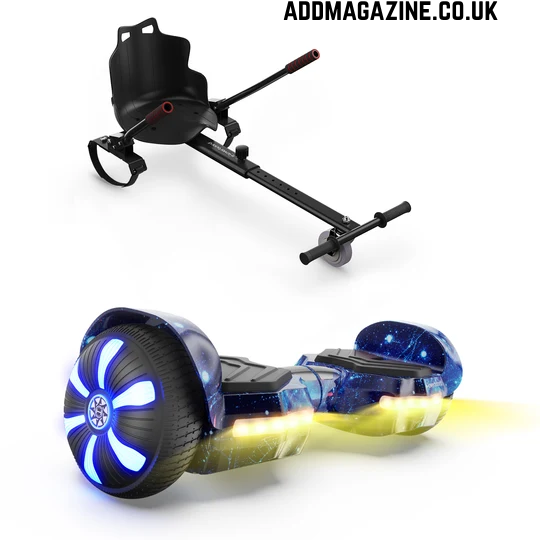
Nostalgia often drives modern technology trends. Devices that once captured public attention as futuristic novelties frequently return years later with better designs, refined hardware, and renewed utility. Self-balancing gadgets represent one of the most visible examples of this trend.
When self-balancing personal transporters first arrived on the market, they attracted massive consumer interest. Early adopters loved the novel riding experience, but early manufacturing challenges created performance limitations. Today, advanced engineering and improved battery safety have revived interest in these personal transport devices across the UK.
Modern riders approach personal transport with clear practical standards. Commuters, tech enthusiasts, and families look for efficient micro-mobility solutions that offer reliability and durability. Understanding how self-balancing technology has evolved helps buyers evaluate current models against their personal riding needs.
The Technological Evolution of Self-Balancing Gadgets
The core mechanism of any self-balancing vehicle relies on gyroscopic sensors and microprocessors. Early devices used basic tilt sensors that occasionally struggled with rapid weight shifts or rougher surfaces. Modern units utilise sophisticated multi-axis gyroscopes that continuously read the rider’s centre of gravity hundreds of times per second.
Dynamic stabilization algorithms interpret these sensor inputs instantly. When a rider leans forward, the onboard controller routes power from the lithium-ion battery directly to the brushless hub motors. This seamless adjustment maintains continuous balance, creating a smooth and responsive riding experience.
Hardware durability has also advanced significantly. Modern self-balancing products feature robust aluminium alloy frames, water-resistant enclosures, and intelligent battery management systems. These internal safety controls protect the circuitry against short circuits, overcharging, and sudden voltage drops, ensuring long-term reliability for daily use.
Essential Features Defining Modern Personal Transporters
Evaluating personal micro-mobility devices requires a clear focus on core component quality. Understanding these key elements allows consumers to choose models that match their intended environment and skill level.
Motor Power and Speed Control
Brushless DC motors drive modern self-balancing equipment. Dual-motor configurations split power independently between each wheel, allowing precise turning radii and steady acceleration. Motor wattage directly determines how well a device climbs inclines and carries heavier loads. Higher wattages provide stable power delivery without straining the internal circuitry.
Battery Capacity and Power Delivery
Battery architecture dictates both overall range and charging efficiency. Certified lithium-ion battery packs power contemporary self-balancing gadgets. Intelligent battery monitoring systems ensure cell balancing during charge cycles, preventing premature battery degradation and extending operational lifespan.
Frame Construction and Wheel Design
Wheel architecture dictates terrain capability. Solid rubber tyres eliminate the risk of punctures, making them ideal for smooth indoor flooring or flat outdoor pavement. Pneumatic or rugged off-road tread patterns absorb impacts better, enabling riders to navigate gravel, grass, and uneven paths easily.
Comparative Specification Breakdown
When selecting a personal transport device, comparing core specifications helps clarify which model suits your lifestyle. The following breakdown outlines typical performance parameters across three primary self-balancing vehicle categories.
| Specification Category | Compact Entry Models | Standard All-Rounders | Heavy-Duty Off-Road Models |
| Typical Wheel Size | 6.5 inches | 8.0 to 8.5 inches | 10.0 inches |
| Tyre Type | Solid rubber | Solid or semi-pneumatic | Air-filled pneumatic |
| Average Motor Power | 250W – 350W dual motors | 350W – 400W dual motors | 400W – 500W+ dual motors |
| Terrain Compatibility | Smooth pavement, indoor tiles | Tarmac, light gravel, paved paths | Grass, mud, rough gravel, dirt tracks |
| Max Incline Capability | Up to 10 degrees | Up to 15 degrees | Up to 20 degrees |
| Chassis Material | ABS plastic casing | Reinforced polymer blend | Aluminium alloy body |
| Integrated Extras | LED path lights | LED lights, Bluetooth audio | App connectivity, custom LEDs, speakers |
Practical Considerations for Everyday Riders
Choosing the right self-balancing gadget requires evaluating how and where you plan to ride. Compact entry models suit younger users or indoor recreational riding due to their lighter weight and nimble handling. However, their smaller solid tyres deliver a firmer ride over bumpy surfaces.
Standard all-rounders offer a balanced middle ground for everyday casual riding. These units handle minor pavement cracks and paved garden paths comfortably, making them versatile options for general recreational use. Their moderate weight makes them manageable to carry when moving between locations.
Heavy-duty off-road units feature wider stances and larger pneumatic tyres. These structural upgrades absorb road vibrations effectively, delivering superior stability across unpredictable surfaces. Riders seeking maximum traction on damp grass or rough outdoor terrain generally benefit from these larger, more rugged designs.
Factors to Evaluate Before Purchasing
Finding the right model requires balancing technical specifications against practical requirements. Evaluating key purchasing parameters ensures that your chosen device fulfills safety, performance, and longevity expectations.
Weight Capacity and Rider Size
Every self-balancing unit carries a specified minimum and maximum weight limit. Operating a device below its minimum threshold can prevent the internal gyroscopic sensors from detecting rider inputs correctly. Conversely, exceeding the maximum weight capacity stresses the dual motors and drains the battery rapidly. Always verify payload limits prior to purchase.
Safety Certification Standards
Safety compliance remains the single most critical factor when selecting electronic personal transport gadgets. Look for units that carry full UL2272 certification or regional UK compliance markings. Certified devices undergo rigorous electrical, mechanical, and thermal safety testing to guarantee battery enclosure integrity.
Finding Quality Retailers and Service Support
Purchasing through established UK distributors ensures access to genuine replacement parts, verified safety standards, and manufacturer warranties. When searching for reliable self-balancing gadgets or researching the best hoverboard uk options, selecting dedicated specialists provides clear product guidance and reliable customer support after purchase.
Navigating Local Regulations and Responsible Riding
Riders in the UK must remain aware of local legal frameworks regarding micro-mobility devices. Under current legislation, riders may operate these devices on private land with the landowner’s permission. Public pavements, cycle lanes, and pedestrian zones remain restricted for non-registered motorized transporters.
Responsible usage involves wearing proper protective equipment regardless of riding location. High-quality helmets, knee pads, and wrist guards significantly reduce injury risks during unexpected balance loss. Beginners should practice turning, mounting, and dismounting in open, flat outdoor spaces away from obstacles.
Regular maintenance also extends product lifespan. Keep the wheel wells clean of mud and debris, store the device in a dry environment at room temperature, and charge the battery regularly even during periods of disuse to maintain cell health.
The Future Potential of Personal Micro-Mobility
The resurgence of self-balancing technology highlights a broader shift toward personal micro-mobility solutions. As battery efficiency improves and sensor technology becomes even more precise, self-balancing mechanics will continue to influence lightweight transport designs. Modern manufacturing standards have successfully transformed these gadgets from simple novelties into durable, highly enjoyable personal transport devices.
By comparing motor outputs, wheel profiles, chassis materials, and verified safety certifications, consumers can select self-balancing products that deliver reliable performance and long-term value. Whether for recreational fun or private land transport, modern self-balancing tech offers an engaging ride backed by solid engineering.