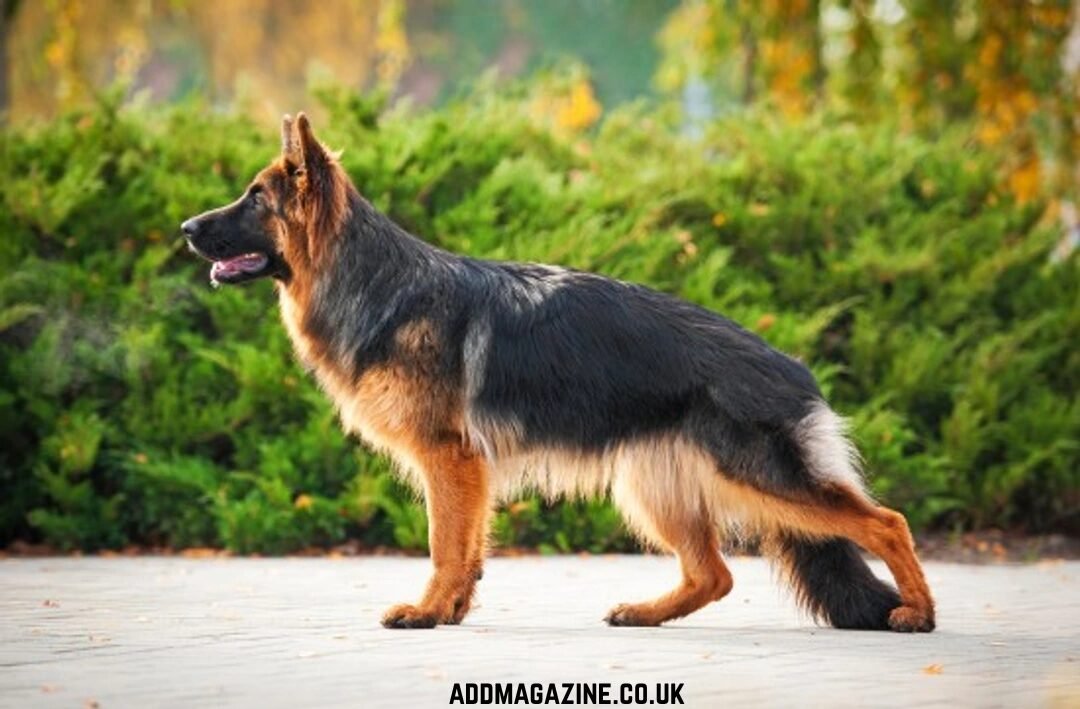
A working-line German Shepherd is an athlete, a companion, and a serious commitment all at once. Bred for drive, endurance, and capability, these dogs give an enormous amount to the right owner, and in return they need care that matches their demands. Keeping a working-line German Shepherd healthy and sound over a long life takes more than food and walks. It takes an understanding of the breed’s specific needs. This guide covers how to care for a working-line German Shepherd so it thrives for years.
Start With Good Breeding
Care for a working-line German Shepherd begins before you even bring the dog home, with the breeding behind it. Health and temperament are strongly influenced by genetics, and the breed is known to be prone to certain conditions, including hip and elbow dysplasia and, in some lines, degenerative myelopathy. A responsible breeder screens breeding dogs for these conditions and selects for soundness, which reduces the risk to the puppies they produce.
This is why choosing a breeder who takes health seriously matters so much. Specialist breeders of working lines, such as Great North Kennels, focus on health screening and stable temperament alongside working ability, and many back their puppies with health guarantees. Starting with a well bred, health screened dog gives you the best possible foundation for a long, sound life, and it makes every other aspect of care easier.
Nutrition for an Active Working Dog
Working-line German Shepherds are active, muscular dogs with real energy demands, and their nutrition should reflect that. A high quality diet with sufficient protein supports muscle maintenance, while appropriate fat provides the energy an active dog burns. The exact needs depend on the individual dog’s age, activity level, and workload, so a dog in heavy training needs more than one living a more moderate life.
Just as important is not overfeeding. Excess weight puts strain on joints that are already a concern for the breed, so keeping a working German Shepherd lean and well conditioned protects its long term joint health. Fresh water, sensible feeding around exercise, and portion control matched to activity all contribute to keeping the dog in the athletic condition it is built for.
Exercise and Conditioning
This is a breed that needs substantial physical exercise, but conditioning is about more than just tiring the dog out. Building and maintaining good muscle, keeping joints mobile, and developing stamina all support the dog’s health and reduce injury risk. Varied exercise, combining aerobic activity with strength and controlled movement, keeps a working German Shepherd physically sound.
Mental exercise matters just as much. These dogs are highly intelligent and bred to work, so they need mental challenges through training, scent work, or structured activities. A well conditioned working German Shepherd is exercised in both body and mind, which keeps it not only physically healthy but also settled and content rather than frustrated.
Protecting the Joints
Because the breed can be prone to joint issues, protecting the joints is a theme that runs through good care. Keeping the dog lean, providing appropriate exercise rather than repetitive high impact strain, especially in puppies whose joints are still developing, and maintaining good muscle around the joints all help. Being attentive to any signs of stiffness, limping, or reluctance to move allows early intervention if a problem develops.
Regular veterinary care supports this. A vet who knows the dog can monitor its joints and overall condition, catch issues early, and advise on the dog’s specific needs as it ages. Prevention and early attention are far better than waiting for a problem to become serious.
Grooming and Routine Health
Working-line German Shepherds have a double coat that sheds and needs regular brushing to stay healthy and to manage shedding. Routine care also includes dental hygiene, nail care, and ear checks, all of which are part of keeping the dog comfortable and catching minor issues before they grow. None of this is complicated, but consistency matters.
Alongside grooming, staying on top of routine veterinary care, vaccinations, parasite control, and regular check ups keeps the dog protected and healthy. A working dog that is well maintained in these everyday ways is a dog that stays in condition to do what it loves.
Caring for the Aging Working Dog
As a working-line German Shepherd ages, its needs change. Activity may need to be adjusted to protect aging joints while keeping the dog engaged and mobile. Diet may need tweaking to match a slower metabolism and to support joint health. Older dogs benefit from continued but gentler exercise and from attentive monitoring for the health issues that become more likely with age.
A dog that started with good breeding, was kept lean and well conditioned, and received consistent care throughout its life is far better placed to enjoy a comfortable, active old age. Longevity in this breed is very much the product of care applied consistently over years.
Frequently Asked Questions
What health issues are working-line German Shepherds prone to?
The breed can be prone to hip and elbow dysplasia and, in some lines, degenerative myelopathy. Responsible breeders screen for these and select for soundness, and many provide health guarantees.
Why does the breeder matter for health?
Because health and temperament are strongly influenced by genetics. A breeder who screens breeding dogs and selects for soundness reduces the risk to puppies, giving the dog a better foundation for a long, healthy life.
How should I feed a working German Shepherd?
With a high quality diet providing sufficient protein and appropriate fat for an active dog, matched to its age, activity, and workload. Keeping the dog lean is essential to protect its joints.
How do I protect my dog’s joints?
Keep it lean, provide appropriate rather than repetitive high impact exercise, especially in puppies, maintain good muscle, and watch for early signs of stiffness or limping so any issue can be addressed promptly.
How does care change as the dog ages?
Exercise may need to be gentler to protect aging joints while keeping the dog mobile, diet may need adjusting, and monitoring for age related health issues becomes more important. Consistent lifelong care supports a comfortable old age.
Final Thought
Caring for a working-line German Shepherd is a rewarding commitment that rewards attention to the breed’s specific needs. It starts with good breeding and health screening, continues through proper nutrition, conditioning of body and mind, joint protection, and consistent routine care, and adapts as the dog ages. Give a working German Shepherd this kind of care, and you get a sound, capable, and devoted companion that stays healthy and active for many years.